🚚 Free Worldwide Shipping on All Orders!Shop Now

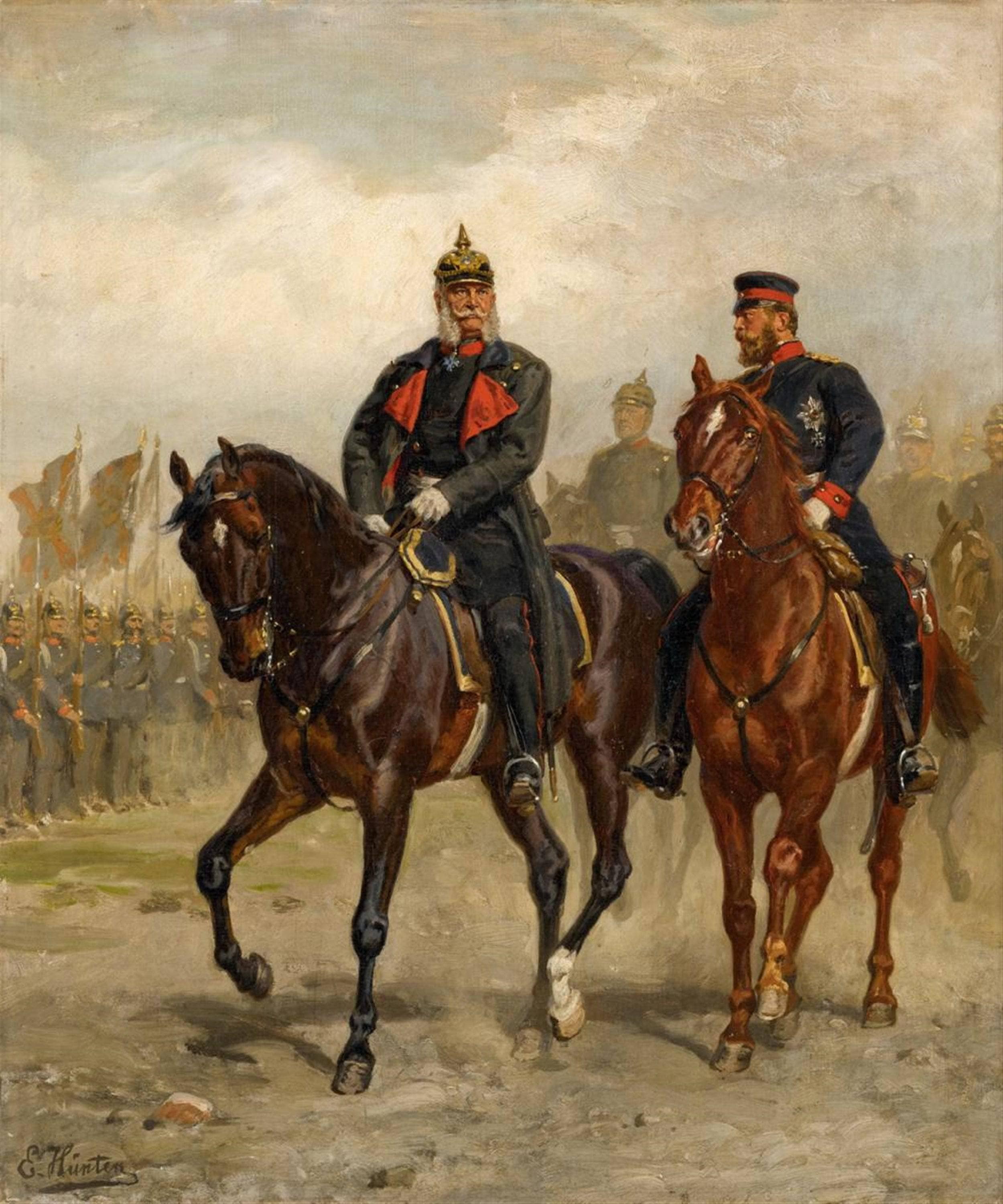
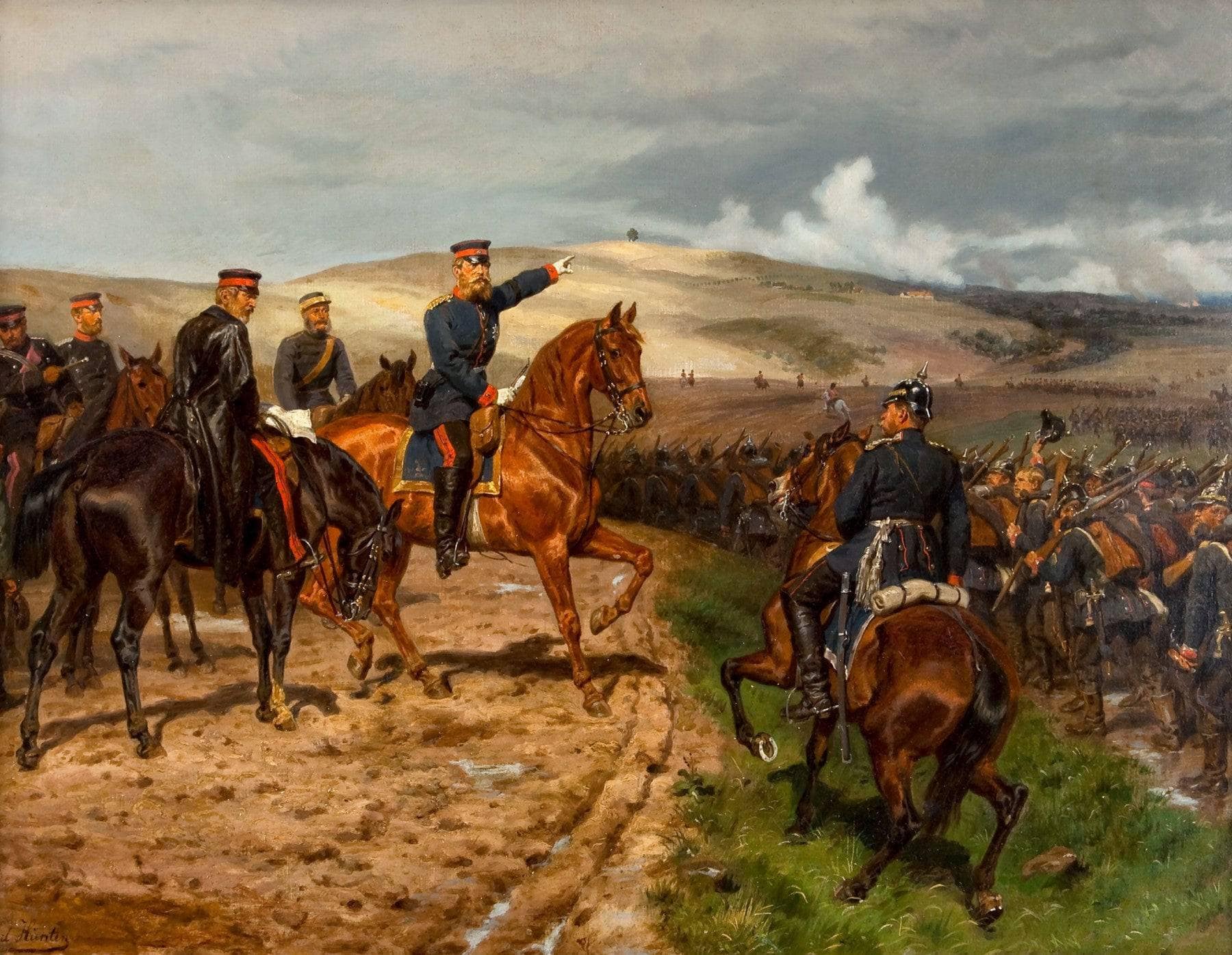
Kaiser Wilhelm I Und Kronprinz Friedrich Zu Pferde
Discover the Historical Significance of Kaiser Wilhelm I Und Kronprinz Friedrich Zu Pferde
Unveiling the Legacy of Kaiser Wilhelm I
The Role of Kaiser Wilhelm I in German History
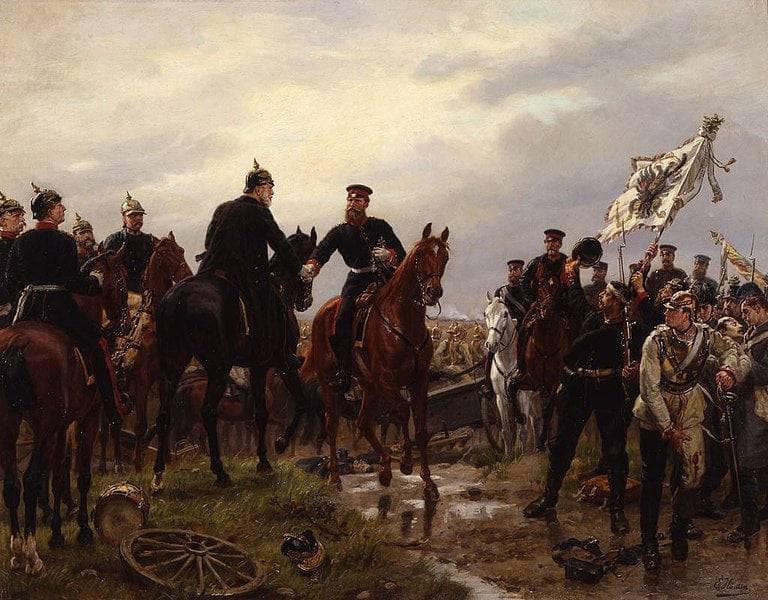
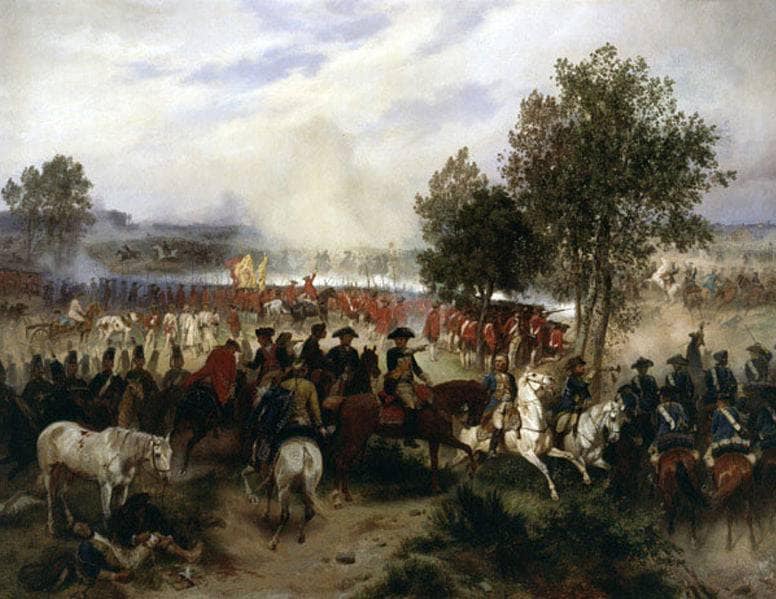
Kaiser Wilhelm I, the first German Emperor, played a pivotal role in unifying Germany in the late 19th century. His leadership during the Franco-Prussian War (1870-1871) solidified his status as a national hero. This oil painting, "Kaiser Wilhelm I Und Kronprinz Friedrich Zu Pferde," captures his commanding presence and the spirit of a nation on the brink of greatness. Wilhelm's reign marked a significant shift in European power dynamics, as he sought to establish Germany as a formidable empire.Symbolism of Leadership and Authority in the Painting
In this artwork, the portrayal of Kaiser Wilhelm I on horseback symbolizes strength, authority, and the martial spirit of the era. The majestic horse serves as a metaphor for the power and stability of the German Empire. The artist, Emil Hünten, skillfully conveys the Kaiser's determination and resolve, reflecting the aspirations of a nation eager for unity and progress. The regal attire and the proud posture of both figures emphasize their roles as leaders during a transformative period in history.Exploring Kronprinz Friedrich: The Future of the German Empire
Friedrich's Influence on German Politics and Society
Kronprinz Friedrich, later known as Friedrich III, was not only the son of Kaiser Wilhelm I but also a progressive thinker. His vision for a constitutional monarchy and social reforms set him apart from his father's more conservative approach. This painting captures a moment of connection between father and son, hinting at the potential for change in the German Empire. Friedrich's brief reign was marked by his desire for modernization, which resonated with the growing middle class of the time.The Relationship Between Father and Son in Historical Context
The bond between Kaiser Wilhelm I and Kronprinz Friedrich is a fascinating aspect of this painting. Their relationship reflects the tension between tradition and progress. While Wilhelm embodied the old guard, Friedrich represented a new generation of leaders. This dynamic is crucial in understanding the political landscape of 19th-century Germany, where familial ties often influenced governance and policy decisions.Artistic Techniques and Styles in Emil Hünten's Masterpiece
Understanding the Oil Painting Technique
Brushwork and Color Palette: A Closer Look
Emil Hünten employed traditional oil painting techniques to create this masterpiece. His meticulous brushwork brings life to the figures, capturing the texture of their clothing and the sheen of the horses. The color palette, rich in earthy tones and vibrant highlights, enhances the emotional depth of the scene. The interplay of light and shadow adds a three-dimensional quality, drawing viewers into the historical moment.Composition and Perspective: Capturing Movement and Emotion
The composition of "Kaiser Wilhelm I Und Kronprinz Friedrich Zu Pferde" is dynamic and engaging. Hünten expertly uses perspective to create a sense of movement, as if the figures are about to ride into action. The positioning of the horses and the figures conveys a narrative of leadership and camaraderie. This thoughtful arrangement invites viewers to reflect on the historical significance of the moment captured on canvas.Emil Hünten: The Artist Behind the Canvas
Biography of Emil Hünten: A Journey Through Art
Emil Hünten was a prominent German painter known for his historical and military subjects. Born in 1846, he developed a passion for art at a young age. His works often reflect the spirit of nationalism that characterized 19th-century Germany. Hünten's dedication to capturing historical moments made him a sought-after artist for commissions, including this significant portrayal of Kaiser Wilhelm I and Kronprinz Friedrich.Hünten's Artistic Influences and Style Evolution
Hünten's style evolved through his exposure to various artistic movements. Influenced by Romanticism, he infused his works with emotional intensity and dramatic narratives. His attention to detail and commitment to historical accuracy set him apart from his contemporaries. This painting exemplifies his ability to blend artistry with historical storytelling, making it a valuable piece in the context of German art history.The Cultural Impact of Kaiser Wilhelm I Und Kronprinz Friedrich Zu Pferde
How the Painting Reflects 19th Century German Nationalism
Art as a Reflection of Political Climate
"Kaiser Wilhelm I Und Kronprinz Friedrich Zu Pferde" serves as a visual representation of 19th-century German nationalism. The painting emerged during a time when Germany was solidifying its identity as a unified nation. Art became a powerful tool for expressing national pride and aspirations. This artwork encapsulates the fervor of the era, celebrating the leaders who shaped the future of Germany.Public Reception and Critique of the Artwork
Upon its unveiling, the painting received acclaim for its historical significance and artistic merit. Critics praised Hünten's ability to capture the essence of his subjects. The public resonated with the themes of leadership and unity, making it a beloved piece among art enthusiasts and historians alike. Its enduring popularity speaks to its cultural relevance and the impact it had on the perception of German history.Comparative Analysis with Other Historical Portraits
Similarities and Differences with Contemporary Works
When compared to other historical portraits of the time, Hünten's work stands out for its emotional depth and narrative quality. While many artists focused solely on the grandeur of their subjects, Hünten infused his painting with a sense of intimacy and connection. This approach allows viewers to engage with the figures on a personal level, making it a unique contribution to the genre of historical portraiture.Influence on Future Generations of Artists
Hünten's mastery of historical painting influenced many artists who followed. His ability to blend realism with emotional storytelling inspired a generation of painters to explore similar themes. The legacy of "Kaiser Wilhelm I Und Kronprinz Friedrich Zu Pferde" continues to resonate, encouraging artists to delve into the rich tapestry of history through their work.FAQs About Kaiser Wilhelm I Und Kronprinz Friedrich Zu Pferde
Common Questions About the Painting
What is the historical context of Kaiser Wilhelm I Und Kronprinz Friedrich Zu Pferde?
The painting was created during a time of significant change in Germany, reflecting the unification of the nation under Kaiser Wilhelm I. It captures the essence of leadership and the aspirations of the German people in the late 19th century.What artistic techniques did Emil Hünten use in this painting?
Hünten utilized traditional oil painting techniques, focusing on detailed brushwork and a rich color palette. His composition effectively captures movement and emotion, drawing viewers into the historical narrative.How does this painting reflect the relationship between Kaiser Wilhelm I and Kronprinz Friedrich?
The painting illustrates the bond between father and son, highlighting their differing visions for Germany. It symbolizes the tension between tradition and progress, showcasing their roles in shaping the future of the German Empire.What themes are explored in Kaiser Wilhelm I Und Kronprinz Friedrich Zu Pferde?
Themes of leadership, nationalism, and familial bonds are central to the painting. It reflects the political climate of 19th-century Germany and the aspirations of its people for unity and strength.Where can I view the original painting today?
The original painting is housed in a prominent museum in Germany, where it continues to be a significant attraction for visitors interested in art and history.Questions About the Painting Reproduction
What should I consider when purchasing a reproduction of this painting?
When purchasing a reproduction, consider the quality of materials used, the accuracy of colors, and the level of detail. A high-quality oil painting reproduction will capture the essence of the original artwork far better than a simple print.How can I ensure the quality of the reproduction matches the original artwork?
Look for reputable artists or galleries that specialize in oil painting reproductions. Check for reviews and examples of their work to ensure they can replicate the intricate details and vibrant colors of Hünten's masterpiece.Select Size
From $74.98
Original: $249.95
-70%Kaiser Wilhelm I Und Kronprinz Friedrich Zu Pferde—
$249.95
$74.98Product Information
Product Information
Shipping & Returns
Shipping & Returns