🚚 Free Worldwide Shipping on All Orders!Shop Now

Giving the Orders
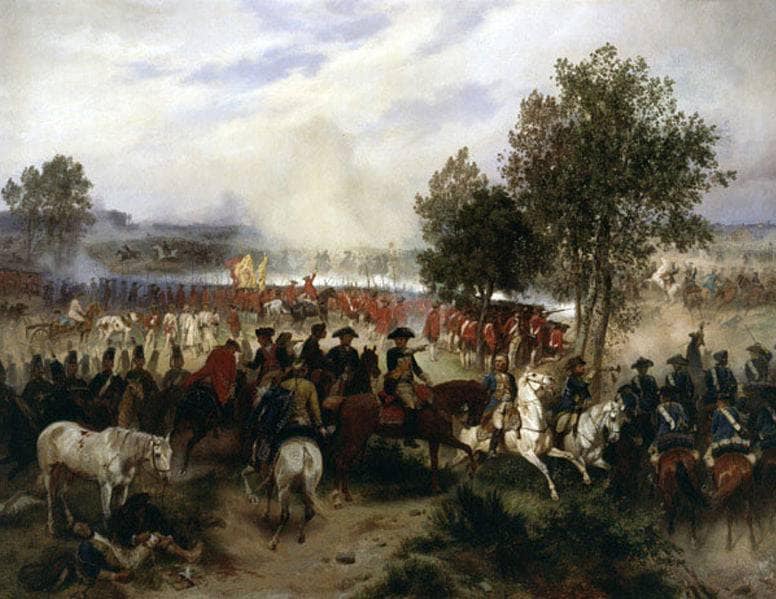
Discovering the Masterpiece: Giving the Orders by Emil Hünten
Historical Context of Giving the Orders
The Era of Romanticism in Art
The painting "Giving the Orders" by Emil Hünten emerges from the vibrant Romanticism movement, which flourished in the late 18th and early 19th centuries. This era celebrated emotion, individualism, and the sublime beauty of nature. Artists sought to express deep feelings and dramatic narratives, often drawing inspiration from historical events and heroic figures. Hünten's work encapsulates these ideals, showcasing the tension and valor of military leadership.Emil Hünten: A Glimpse into the Artist's Life
Emil Hünten, born in 1840 in the Netherlands, was a prominent figure in the art world. He trained at the Royal Academy of Fine Arts in The Hague, where he honed his skills in realism and historical painting. Hünten's passion for military subjects stemmed from his fascination with the Napoleonic Wars and the valor of soldiers. His dedication to capturing the essence of leadership and authority is evident in "Giving the Orders," making it a significant piece in his oeuvre.Influences and Inspirations Behind the Painting
Hünten drew inspiration from various sources, including classical literature and historical accounts of military campaigns. His exposure to the works of contemporaries like EugÉne Delacroix and Théodore Géricault influenced his dramatic style. Additionally, the political climate of his time, marked by nationalism and the glorification of military prowess, played a crucial role in shaping the themes of "Giving the Orders."Visual Analysis of Giving the Orders
Color Palette: The Emotional Impact of Hues
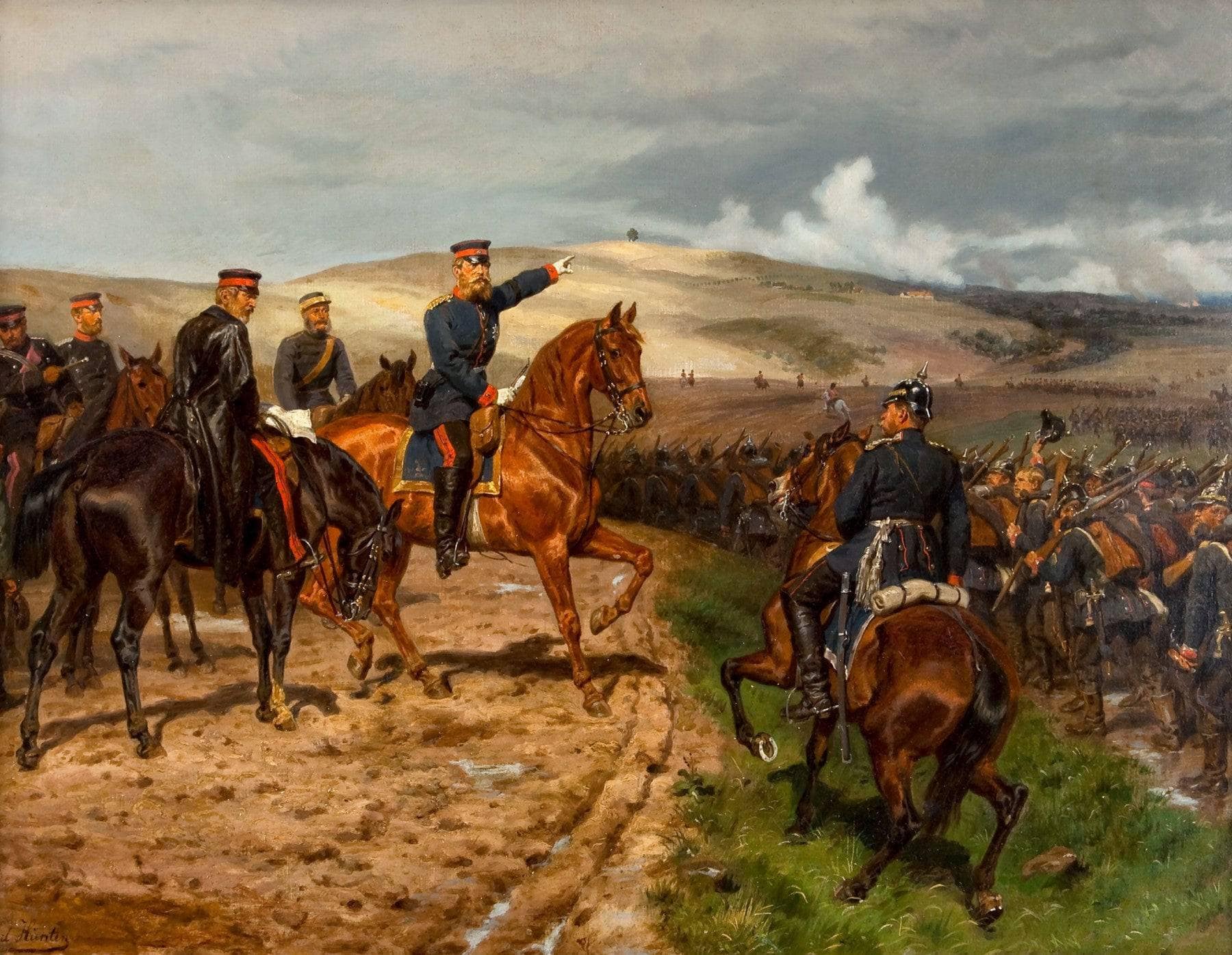
The color palette of "Giving the Orders" is rich and evocative. Hünten employs deep reds and earthy browns to convey a sense of urgency and authority. The contrasting cool tones in the background create a dramatic tension, enhancing the emotional impact of the scene. This careful selection of colors invites viewers to feel the weight of command and the gravity of the moment.Composition: The Arrangement of Figures and Space
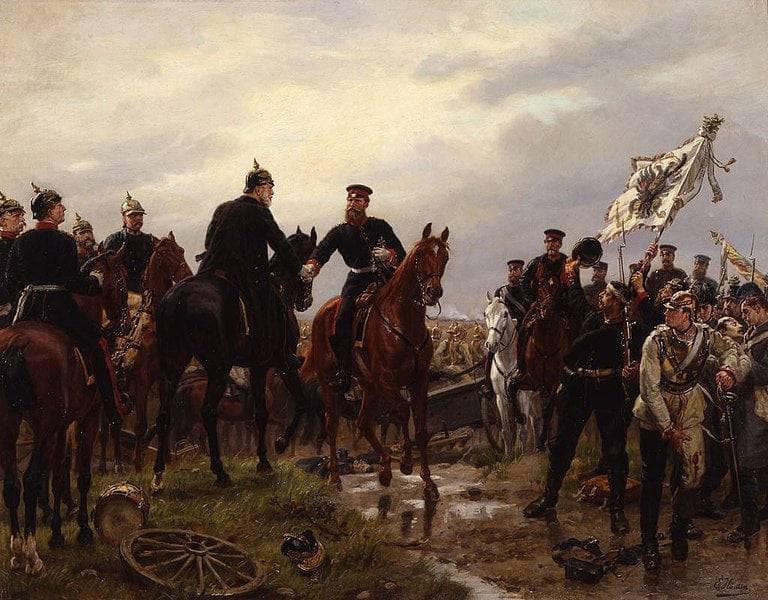
Hünten's composition is masterful, with a dynamic arrangement of figures that draws the viewer's eye. The central figure, a commanding officer, stands tall and assertive, surrounded by attentive soldiers. This triangular composition not only emphasizes the leader's authority but also creates a sense of movement and interaction among the characters. The use of negative space further enhances the focus on the central action.Brushwork Techniques: Capturing Movement and Emotion
Hünten's brushwork is both precise and expressive. He skillfully blends fine details with broader strokes to convey movement and emotion. The flowing lines of the soldiers' uniforms and the dynamic poses capture the energy of the moment. This technique allows viewers to feel the tension and anticipation inherent in military command, making the painting come alive.Thematic Exploration: Leadership and Authority
Symbolism of Command in the Painting
"Giving the Orders" is rich in symbolism, particularly regarding leadership and authority. The commanding officer's posture and expression convey confidence and decisiveness. The attentive soldiers symbolize loyalty and readiness to act, reflecting the hierarchical structure of military life. This interplay of figures illustrates the weight of responsibility that comes with leadership.Depiction of Military Hierarchy and Structure
Hünten's portrayal of military hierarchy is evident in the arrangement of figures. The clear distinction between the commanding officer and the soldiers highlights the structured nature of military command. This depiction serves as a commentary on the importance of order and discipline in achieving success on the battlefield.Emotional Resonance: The Faces of Leadership
The faces of the soldiers in "Giving the Orders" evoke a range of emotions, from determination to anxiety. Hünten captures the human experience of leadership, showcasing the burden and honor that come with command. This emotional resonance allows viewers to connect with the painting on a personal level, reflecting their own experiences with authority and responsibility.Artistic Techniques: A Closer Look at Hünten's Style
Realism vs. Romanticism: Blending Styles in Giving the Orders
Hünten's "Giving the Orders" exemplifies a blend of realism and romanticism. While the figures are rendered with meticulous detail, the emotional intensity of the scene aligns with romantic ideals. This fusion creates a powerful narrative that engages viewers, inviting them to explore the complexities of leadership and human emotion.Use of Light and Shadow: Creating Depth and Drama
The interplay of light and shadow in "Giving the Orders" adds depth and drama to the composition. Hünten uses chiaroscuro techniques to highlight the central figure while casting the background in shadow. This contrast not only enhances the three-dimensionality of the painting but also emphasizes the significance of the moment being depicted.Textural Elements: The Feel of the Canvas
Hünten's use of texture is remarkable, with visible brushstrokes that add a tactile quality to the painting. The roughness of the soldiers' uniforms contrasts with the smoothness of the background, creating a dynamic visual experience. This textural variation invites viewers to engage with the artwork on a sensory level, enhancing their appreciation of Hünten's skill.Comparative Analysis: Giving the Orders and Other Works
Similarities with Contemporary Artists of the Time
"Giving the Orders" shares thematic and stylistic similarities with the works of contemporary artists like Franz Xaver Winterhalter and Alfred de Dreux. These artists also focused on military subjects, capturing the essence of leadership and the human experience within the context of war. Hünten's unique approach, however, sets his work apart, emphasizing emotional depth and narrative complexity.Contrasting Themes in Other Military Paintings
While many military paintings glorify battle and heroism, Hünten's "Giving the Orders" delves into the psychological aspects of leadership. This contrast highlights the multifaceted nature of military art, where the focus can shift from the battlefield to the emotional and moral dilemmas faced by leaders. Hünten's work invites viewers to reflect on the responsibilities of command.Legacy of Giving the Orders in Modern Art
The legacy of "Giving the Orders" continues to influence modern artists exploring themes of authority and leadership. Its emotional depth and narrative complexity resonate with contemporary audiences, making it a relevant piece in discussions about military art. Hünten's ability to capture the human experience within a historical context ensures that this painting remains significant in art history.Emotional Impact and Viewer Interpretation
How Different Audiences Perceive the Painting
Viewers from various backgrounds interpret "Giving the Orders" through their unique lenses. Military personnel may resonate with the themes of leadership and duty, while art enthusiasts might appreciate the technical mastery and emotional depth. This diversity of interpretation enriches the viewing experience, allowing for a broader understanding of the painting's significance.Personal Reflections: What the Painting Evokes
Many viewers find that "Giving the Orders" evokes feelings of admiration and introspection. The portrayal of leadership challenges them to consider their own experiences with authority and responsibility. This emotional connection enhances the painting's impact, making it a powerful piece that lingers in the minds of those who encounter it.Art as a Reflection of Society: The Role of Military Art
Military art, like Hünten's "Giving the Orders," serves as a reflection of societal values and historical contexts. It captures the complexities of war, leadership, and human emotion, offering insights into the cultural narratives of its time. This role of art as a societal mirror underscores the importance of preserving and studying works like Hünten's.FAQs about Giving the Orders by Emil Hünten
What is the story behind the painting Giving the Orders?
"Giving the Orders" depicts a pivotal moment in military leadership, showcasing the tension and responsibility of command. Hünten captures the essence of authority through the commanding officer's posture and the soldiers' attentive expressions.What techniques did Emil Hünten use in this artwork?
Hünten employed a blend of realism and romanticism, utilizing chiaroscuro techniques to create depth. His expressive brushwork and careful color palette enhance the emotional impact of the scene.How does Giving the Orders reflect the values of its time?
The painting reflects the 19th-century fascination with military heroism and leadership. It captures the ideals of duty, honor, and the complexities of command, resonating with the societal values of the Romantic era.What emotions does the painting evoke in viewers?
Viewers often feel admiration, introspection, and a sense of connection to the themes of leadership and responsibility. The emotional depth of the painting invites personal reflections on authority.Are there any notable exhibitions featuring Giving the Orders?
"Giving the Orders" has been featured in various exhibitions focusing on military art and Romanticism. Its significance in art history ensures that it remains a subject of interest for curators and art enthusiasts alike.What makes Giving the Orders a significant piece in art history?
The painting's unique blend of emotional depth, technical mastery, and exploration of leadership themes makes it a significant work in art history. Hünten's ability to capture the human experience within a military context sets it apart from other works of its time.FAQs about the Painting Reproduction
How can I ensure the quality of a reproduction of Giving the Orders?
To ensure quality, look for reproductions created using high-quality materials and techniques that replicate the original painting's texture and color. Hand-painted reproductions are superior to prints, offering a more authentic experience.What should I look for in a reproduction of Emil Hünten's work?
Seek reproductions that accurately reflect Hünten's brushwork, color palette, and emotional depth. A well-crafted reproduction will capture the essence of the original painting, making it a valuable addition to your collection.Select Size
From $89.98
Original: $299.95
-70%Giving the Orders—
$299.95
$89.98Product Information
Product Information
Shipping & Returns
Shipping & Returns