🚚 Free Worldwide Shipping on All Orders!Shop Now

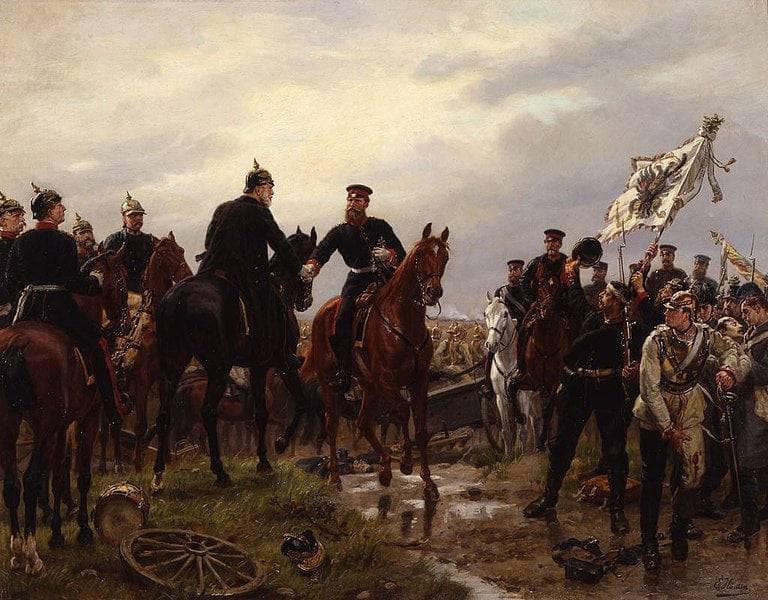
Die Schlacht Bei Königgrätz
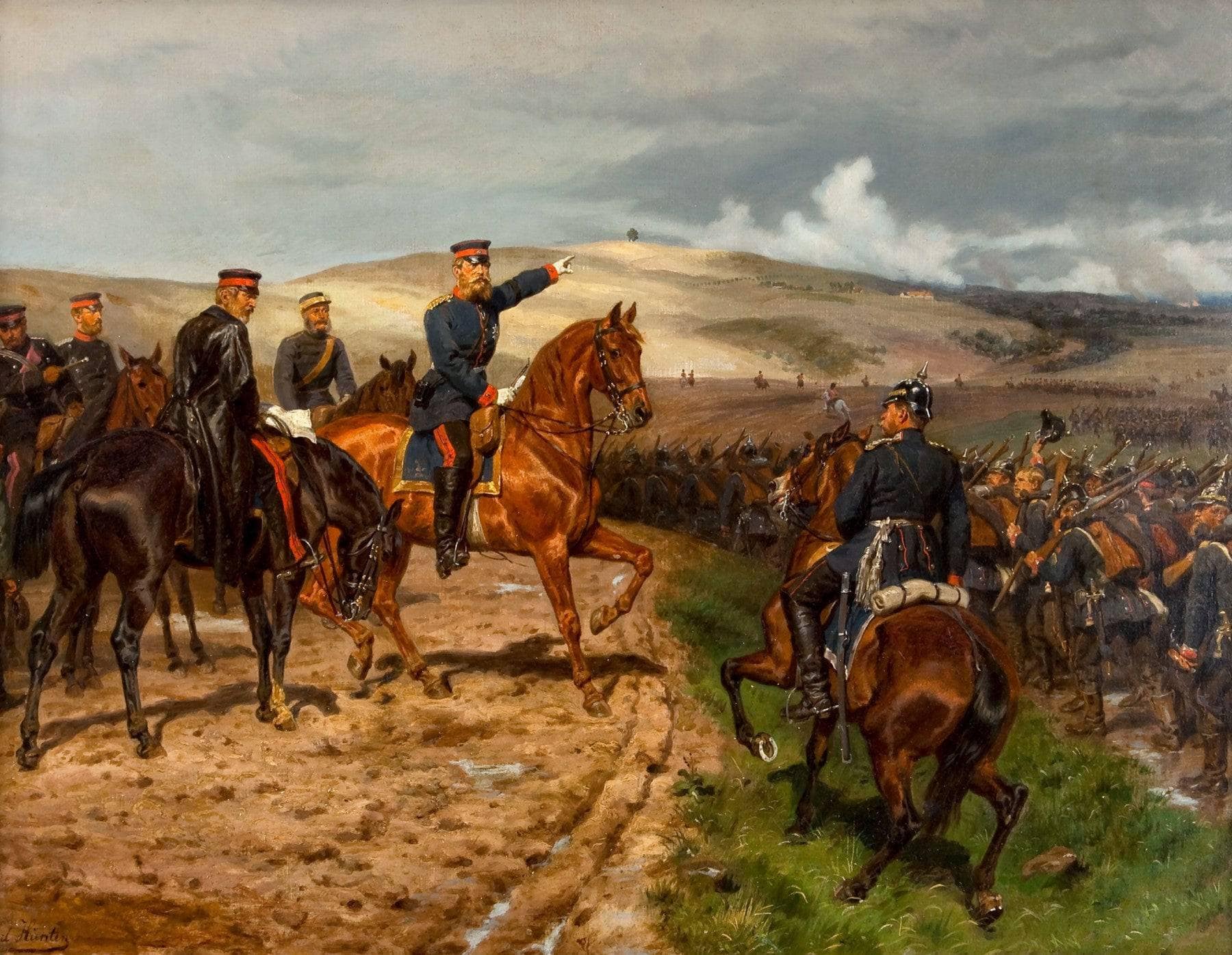
Discovering Die Schlacht Bei Königgrätz: A Masterpiece by Emil Hünten
Historical Context of Die Schlacht Bei Königgrätz
The Austro-Prussian War: A Turning Point in European History
The Austro-Prussian War, fought in 1866, marked a significant shift in the balance of power in Europe. This conflict pitted the Kingdom of Prussia against the Austrian Empire, leading to the unification of Germany under Prussian leadership. The war showcased modern military tactics and technology, including the use of railroads for troop movement and the telegraph for communication.Significance of the Battle of Königgrätz in 1866
The Battle of Königgrätz, also known as the Battle of Sadowa, was a decisive engagement that resulted in a resounding victory for Prussia. This battle not only determined the fate of Austria in German affairs but also set the stage for the eventual unification of Germany in 1871. The strategic use of the terrain and the innovative tactics employed by Prussian commanders played a crucial role in this historic confrontation.Emil Hünten: The Artist Behind the Canvas
Emil Hünten was a prominent German painter known for his historical and battle scenes. Born in 1844, he developed a passion for capturing the drama of warfare on canvas. Hünten's works often reflect a deep understanding of military history and a commitment to realism. His portrayal of the Battle of Königgrätz stands out for its vivid detail and emotional depth, making it a significant contribution to 19th-century art.Artistic Elements of Die Schlacht Bei Königgrätz
Vivid Color Palette: Capturing the Chaos of Battle
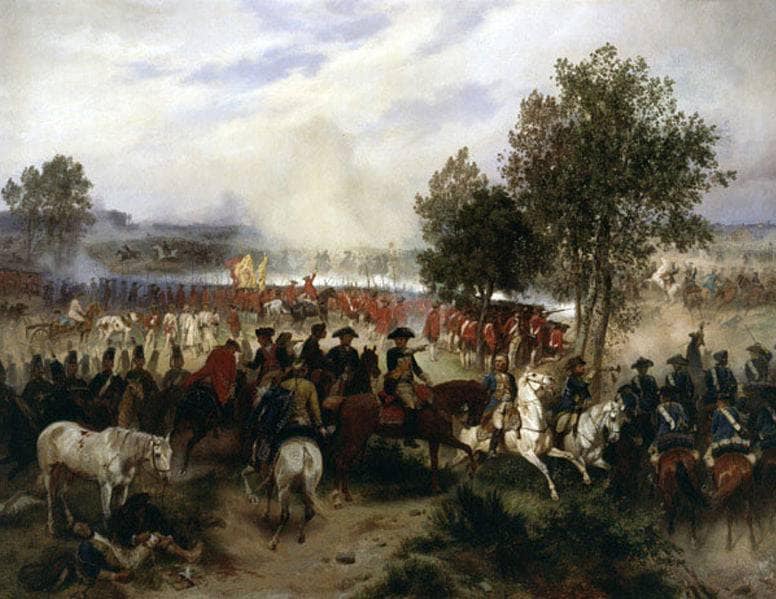
Hünten's use of a vibrant color palette brings the chaos of battle to life. Rich reds and deep browns dominate the canvas, symbolizing both the bloodshed and the valor of the soldiers. The contrasting colors create a sense of urgency and movement, immersing viewers in the tumultuous atmosphere of the battlefield.Dynamic Composition: Movement and Emotion in the Scene
The dynamic composition of Die Schlacht Bei Königgrätz draws the viewer's eye across the canvas. Hünten expertly arranges figures in various poses, conveying a sense of action and emotion. The swirling movement of soldiers and horses captures the intensity of the battle, making it feel almost alive.Symbolism in the Painting: Heroes and Sacrifices
Hünten imbues his painting with symbolism, representing the heroism and sacrifices of the soldiers. The figures in the foreground embody courage, while those in the background reflect the chaos and despair of war. This duality invites viewers to contemplate the cost of conflict and the valor of those who fight.Analyzing the Characters and Figures in the Painting
Key Figures: Who's Who in Die Schlacht Bei Königgrätz
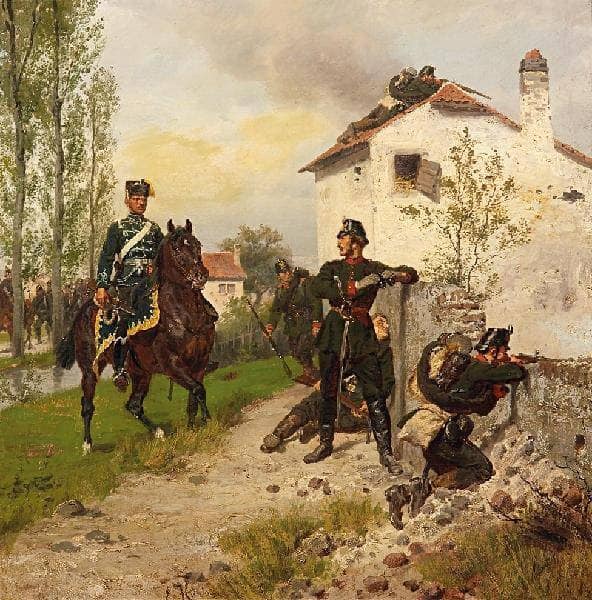
The painting features several key figures, including notable commanders and soldiers from both sides of the conflict. Each character is meticulously detailed, showcasing their uniforms and expressions. This attention to detail helps viewers identify the historical figures and understand their roles in the battle.Depiction of Soldiers: Realism vs. Romanticism
Hünten's portrayal of soldiers strikes a balance between realism and romanticism. While he captures the harsh realities of war, such as injuries and exhaustion, he also highlights the nobility of the soldiers' cause. This blend creates a powerful narrative that resonates with audiences.Leadership and Valor: The Portrayal of Commanders
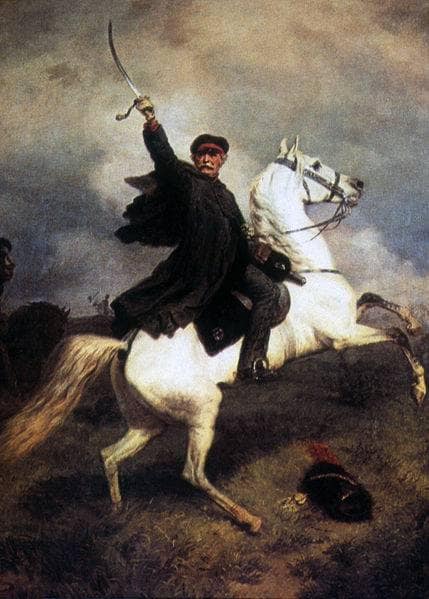
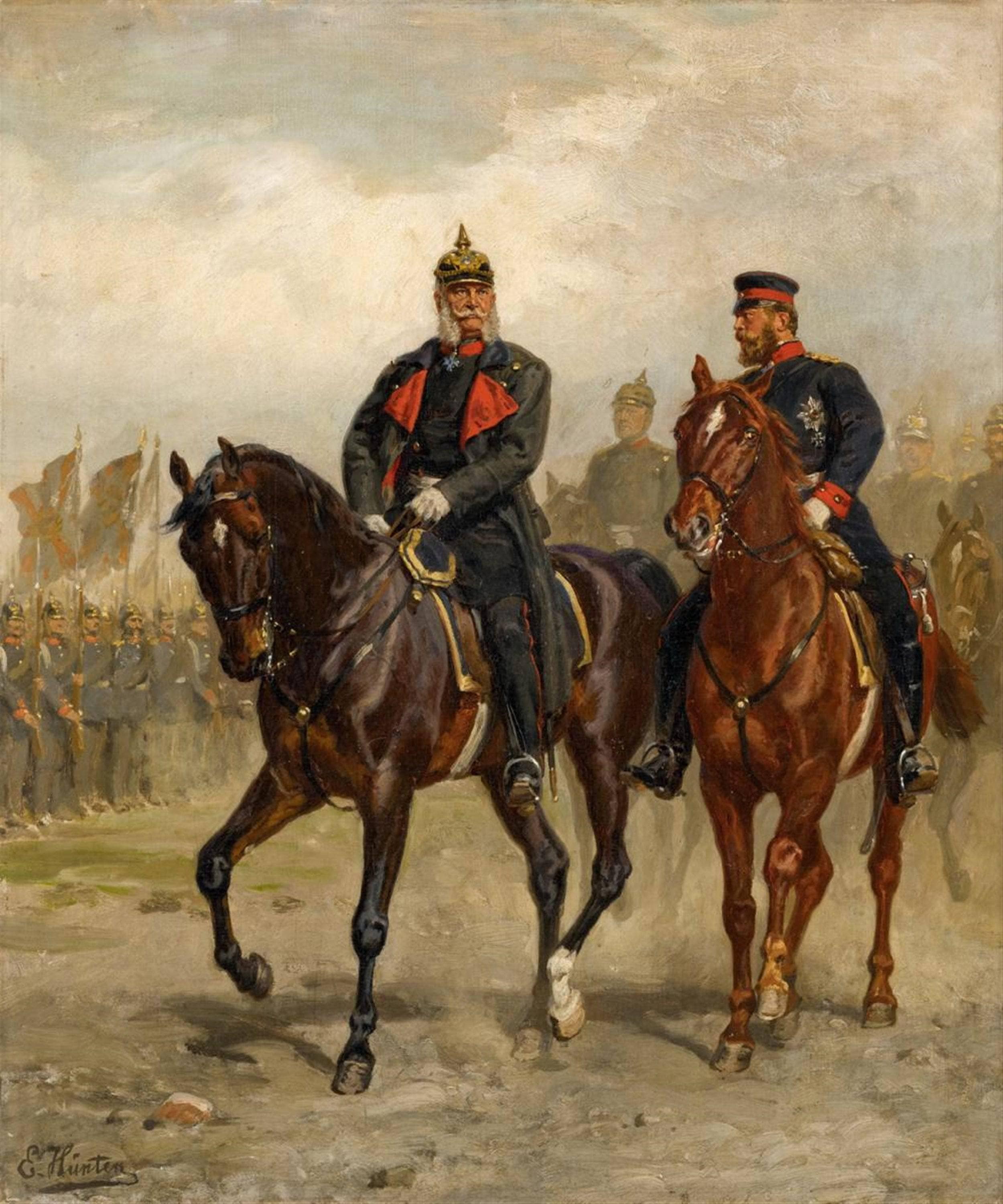
The commanders in Die Schlacht Bei Königgrätz are depicted with a sense of authority and determination. Their expressions convey the weight of leadership during such a critical moment. Hünten's portrayal emphasizes the strategic decisions that shaped the outcome of the battle, showcasing the importance of leadership in warfare.The Role of Landscape in Die Schlacht Bei Königgrätz
Natural Elements: The Impact of Terrain on Warfare
The landscape in the painting plays a vital role in understanding the battle's dynamics. Hünten captures the rolling hills and fields of Königgrätz, illustrating how the terrain influenced troop movements and strategies. The natural elements serve as both a backdrop and a participant in the conflict.Atmospheric Effects: Light and Shadow in Battle Scenes
Hünten skillfully uses light and shadow to enhance the drama of the scene. The interplay of sunlight breaking through clouds creates a stark contrast, highlighting the chaos of battle while also symbolizing hope amidst despair. This atmospheric effect adds depth to the viewer's experience.Historical Accuracy of the Setting: A Closer Look
The setting of Die Schlacht Bei Königgrätz is historically accurate, reflecting the actual landscape of the battlefield. Hünten's commitment to detail ensures that viewers can appreciate the authenticity of the scene. This accuracy enhances the painting's educational value, making it a valuable resource for history enthusiasts.Emotional Impact and Viewer Experience
Evoking Emotion: How the Painting Resonates with Audiences
Die Schlacht Bei Königgrätz evokes a range of emotions, from admiration for the bravery of soldiers to sorrow for the loss of life. The painting's intensity invites viewers to reflect on the human experience of war, making it a powerful piece of art that resonates across generations.First-Hand Experiences: Viewing Die Schlacht Bei Königgrätz in Person
Experiencing Die Schlacht Bei Königgrätz in person offers a unique perspective. The scale and detail of the painting become more apparent, allowing viewers to appreciate Hünten's craftsmanship. Many visitors report feeling a profound connection to the historical events depicted, enhancing their understanding of the battle.Art as a Reflection of Society: The Cultural Significance
This painting serves as a reflection of 19th-century society's views on war and heroism. It captures the romanticized notions of battle prevalent during that time while also acknowledging the harsh realities faced by soldiers. As such, Die Schlacht Bei Königgrätz remains a significant cultural artifact.Comparative Analysis: Die Schlacht Bei Königgrätz and Other Battle Paintings
Contrasting Styles: Hünten vs. Other Historical Painters
When compared to other historical painters, Hünten's style stands out for its blend of realism and emotional depth. While artists like Franz Xaver Winterhalter focused on portraiture, Hünten's commitment to capturing the chaos of battle sets him apart. His unique approach offers a fresh perspective on historical events.Influence on Future Generations of Artists
Hünten's work has influenced many artists who seek to depict historical events with authenticity and emotional resonance. His techniques in portraying movement and emotion have inspired a new generation of painters to explore similar themes in their work.Legacy of Battle Paintings in Art History
Die Schlacht Bei Königgrätz contributes to the rich legacy of battle paintings in art history. These works serve not only as artistic expressions but also as historical documents that capture the essence of human conflict. Hünten's masterpiece remains a vital part of this tradition.FAQs About Die Schlacht Bei Königgrätz
What is the historical significance of Die Schlacht Bei Königgrätz?
Die Schlacht Bei Königgrätz is significant as it represents a pivotal moment in the Austro-Prussian War, leading to the unification of Germany.Who are the main figures depicted in the painting?
The painting features key military figures from both the Prussian and Austrian sides, showcasing their roles in the battle.What artistic techniques did Emil Hünten use in this work?
Hünten employed techniques such as dynamic composition, a vivid color palette, and atmospheric effects to enhance the emotional impact of the painting.How does Die Schlacht Bei Königgrätz compare to other battle paintings?
Hünten's work stands out for its emotional depth and realism, contrasting with the more romanticized depictions found in other battle paintings.What emotions does the painting evoke in viewers?
The painting evokes admiration, sorrow, and reflection on the human experience of war, resonating deeply with audiences.Is Die Schlacht Bei Königgrätz considered a realistic portrayal of the battle?
Yes, Hünten's painting is known for its historical accuracy and realistic depiction of the battle's chaos and heroism.What should I know about the reproduction of Die Schlacht Bei Königgrätz?
Art reproductions of Die Schlacht Bei Königgrätz offer a superior alternative to prints, capturing the intricate details and vibrant colors of the original painting.How can I appreciate the details in the reproduction of this painting?
To appreciate the details, take time to observe the brushwork, color variations, and the emotional expressions of the figures, which are all enhanced in high-quality reproductions.Select Size
From $299.95
Die Schlacht Bei Königgrätz—
$299.95
Product Information
Product Information
Shipping & Returns
Shipping & Returns