🚚 Free Worldwide Shipping on All Orders!Shop Now

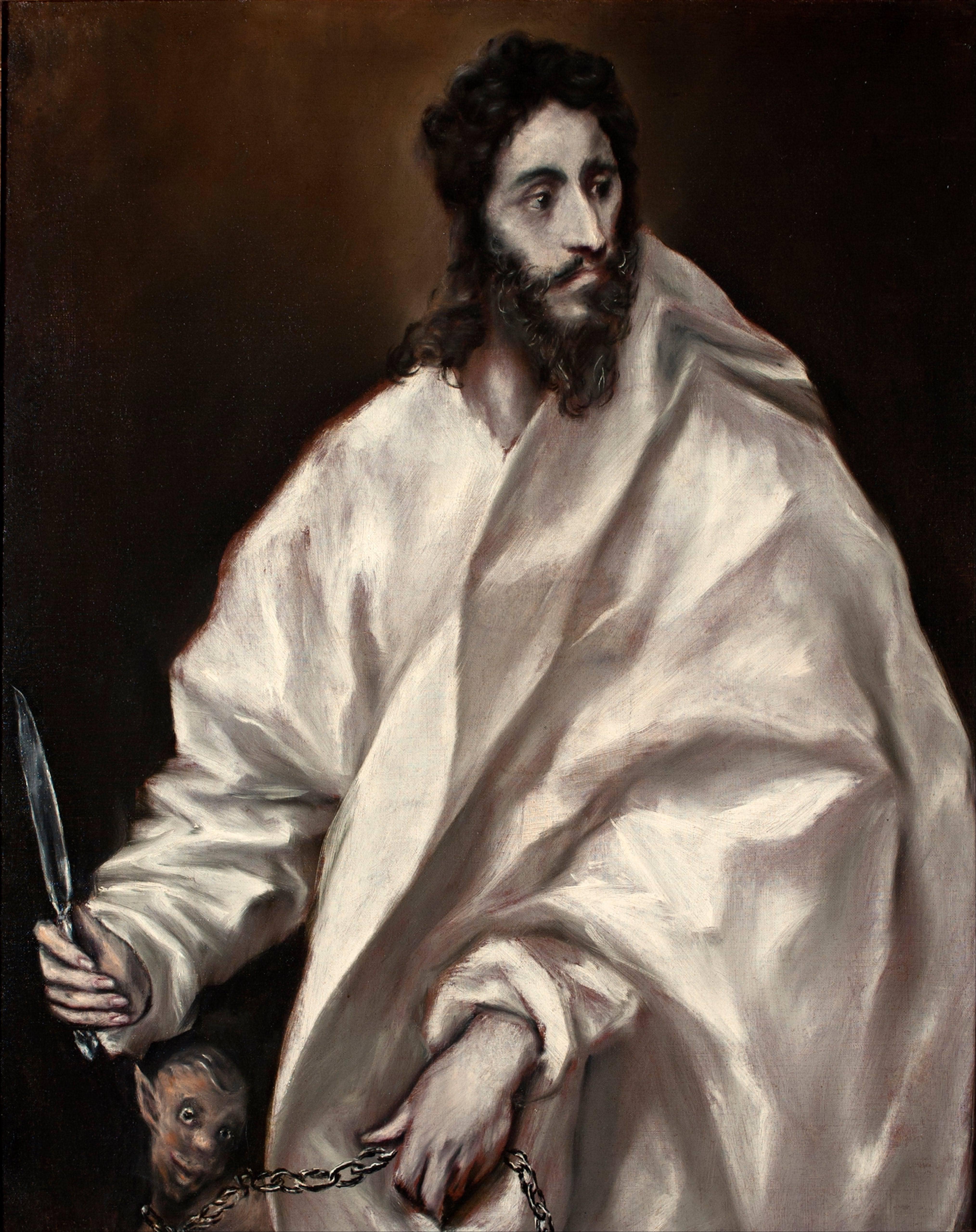
St. Bartholomew
Exploring the Masterpiece: St. Bartholomew by El Greco
The Historical Context of El Greco's Work
Understanding the Spanish Renaissance and Its Influence
El Greco, born Domenikos Theotokopoulos, emerged during the Spanish Renaissance, a period marked by vibrant cultural and artistic growth. This era saw the fusion of Gothic, Mannerist, and early Baroque styles. El Greco's work reflects the spiritual fervor of the time, influenced by the Counter-Reformation's emphasis on religious themes. His unique perspective as a Greek artist in Spain allowed him to blend Byzantine traditions with Western techniques, creating a distinctive style that captivated audiences.El Greco's Unique Style: Mannerism and Beyond
El Greco's artistry is often associated with Mannerism, characterized by elongated figures and dramatic expressions. His paintings, including "St. Bartholomew," showcase a bold use of color and light, setting him apart from his contemporaries. The artist's innovative approach to form and space invites viewers to experience a heightened emotional response. His works often convey a sense of spirituality and otherworldliness, making them timeless masterpieces.St. Bartholomew: A Deep Dive into the Subject Matter
The Significance of St. Bartholomew in Christian Iconography
St. Bartholomew, one of the twelve apostles, holds a significant place in Christian iconography. He is often depicted with a knife, symbolizing his martyrdom. According to tradition, he was flayed alive, which adds a layer of depth to his representation in art. El Greco's portrayal captures the essence of Bartholomew's faith and sacrifice, making it a powerful visual narrative.Symbolism and Themes: Faith, Martyrdom, and Transformation
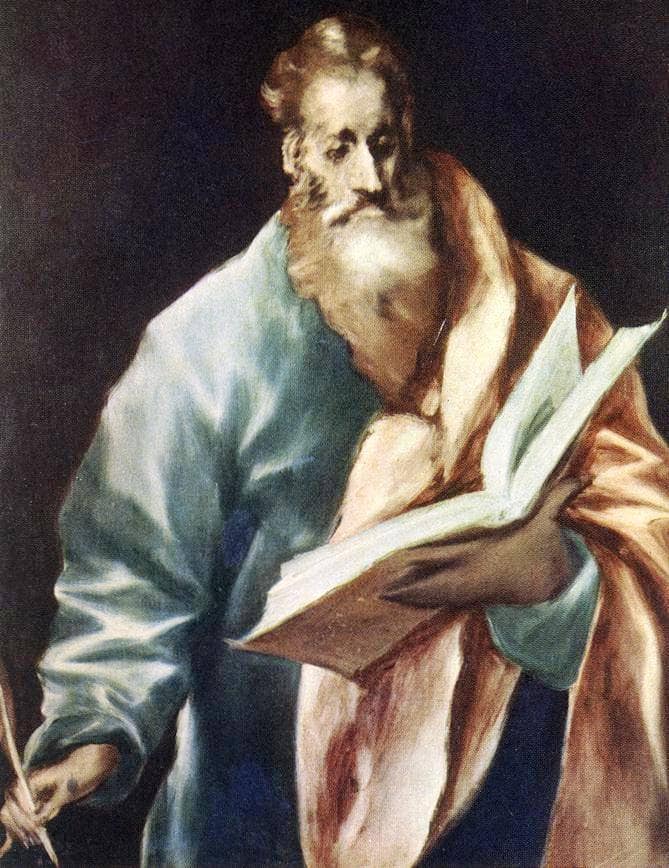
In "St. Bartholomew," El Greco explores themes of faith and transformation. The apostle's expression reflects his spiritual journey, embodying the struggle between earthly suffering and divine grace. The painting serves as a reminder of the trials faced by early Christians and the ultimate triumph of faith over adversity. This rich symbolism resonates with viewers, inviting them to reflect on their own beliefs.Artistic Techniques and Innovations in St. Bartholomew
Color Palette: The Vibrant Hues of El Greco
El Greco's color palette in "St. Bartholomew" is striking and emotive. He employs deep blues, radiant whites, and rich reds to create a sense of drama and intensity. These colors not only enhance the visual appeal but also evoke emotional responses, drawing viewers into the narrative. The contrast between light and shadow adds depth, making the figure of St. Bartholomew stand out against the background.Brushwork and Texture: Capturing Emotion Through Technique
The brushwork in "St. Bartholomew" is dynamic and expressive. El Greco's technique involves swift, bold strokes that convey movement and emotion. The texture of the painting adds to its overall impact, allowing viewers to feel the weight of Bartholomew's suffering. This innovative approach to brushwork was ahead of its time, influencing future generations of artists.Composition and Perspective: A Study in Depth and Dimension
El Greco's composition in "St. Bartholomew" is masterful. He uses diagonal lines and a strong sense of perspective to create depth. The positioning of Bartholomew draws the eye, guiding viewers through the painting. This technique enhances the dramatic effect, making the scene feel alive and engaging. The careful arrangement of elements reflects El Greco's understanding of spatial dynamics.The Emotional Impact of St. Bartholomew's Expression
Facial Expressions: Conveying Spiritual Turmoil
The expression on St. Bartholomew's face is one of profound spiritual turmoil. El Greco captures a moment of intense reflection, inviting viewers to connect with the apostle's inner struggle. The furrowed brow and downcast eyes convey a sense of sorrow and contemplation, making the painting resonate on a personal level. This emotional depth is a hallmark of El Greco's work.Body Language: The Gesture of Martyrdom
Bartholomew's body language further emphasizes his martyrdom. His posture is both defiant and resigned, reflecting the duality of his experience. The way he holds the knife speaks to his acceptance of fate, while also showcasing his unwavering faith. This powerful gesture encapsulates the essence of sacrifice, making the painting a poignant representation of devotion.Comparative Analysis: St. Bartholomew and Other Works by El Greco
Contrasting Figures: St. Bartholomew vs. Other Apostles
When comparing "St. Bartholomew" to other apostolic representations by El Greco, distinct differences emerge. Each apostle is portrayed with unique attributes and emotional depth. Bartholomew's intense expression and dramatic pose set him apart from figures like St. Peter or St. John, who exhibit different aspects of faith and character. This contrast highlights El Greco's ability to capture the individuality of each saint.Recurring Themes: Martyrdom in El Greco's Art
Martyrdom is a recurring theme in El Greco's oeuvre. His works often depict saints in moments of suffering and sacrifice. "St. Bartholomew" exemplifies this theme, showcasing the apostle's ultimate sacrifice for his faith. This focus on martyrdom reflects the artist's deep understanding of religious narratives and his commitment to conveying their significance through art.The Legacy of St. Bartholomew: Influence on Future Artists
Impact on Baroque Art: A Transition in Style
El Greco's "St. Bartholomew" significantly influenced the Baroque movement. His dramatic use of color and emotional intensity paved the way for artists like Caravaggio and Rubens. The emphasis on spirituality and human emotion in his work resonated with Baroque ideals, marking a transition in artistic expression. El Greco's legacy continues to inspire artists seeking to convey deep emotional truths.Modern Interpretations: How St. Bartholomew Inspires Today's Artists
Today, "St. Bartholomew" remains a source of inspiration for contemporary artists. The themes of faith, sacrifice, and emotional depth resonate in modern art. Many artists draw from El Greco's techniques, experimenting with color and form to express their own interpretations of spirituality. The painting's enduring relevance speaks to its universal appeal and the timeless nature of its message.Visiting the Original: Where to Experience St. Bartholomew
Location and Accessibility: The Museo de El Greco
To experience "St. Bartholomew" in person, visit the Museo de El Greco in Toledo, Spain. This museum is dedicated to the artist's life and work, housing several of his masterpieces. The location is easily accessible, allowing art lovers to immerse themselves in the rich history of El Greco's artistry. The museum offers a unique opportunity to view the painting in its original context.Exhibition Highlights: What to Look For
When visiting the Museo de El Greco, pay special attention to the details in "St. Bartholomew." Notice the intricate brushwork and the vibrant color palette that brings the painting to life. Look for the emotional expressions that El Greco masterfully captures. The museum often features exhibitions that delve into the artist's techniques and influences, enhancing your understanding of this remarkable work.FAQs About St. Bartholomew by El Greco
What is the story behind St. Bartholomew in Christian tradition?
St. Bartholomew is known for his unwavering faith and is often associated with martyrdom. According to tradition, he was flayed alive for his beliefs, making him a symbol of sacrifice in Christianity.How does El Greco's style differ from other Renaissance artists?
El Greco's style is characterized by elongated figures, dramatic color contrasts, and emotional intensity. Unlike many Renaissance artists who focused on realism, El Greco emphasized spirituality and expression.What are the key elements that make St. Bartholomew a significant painting?
Key elements include the emotional depth of Bartholomew's expression, the vibrant color palette, and the innovative brushwork. These aspects combine to create a powerful narrative of faith and sacrifice.What emotions does El Greco convey through St. Bartholomew's expression?
El Greco conveys a mix of sorrow, contemplation, and spiritual turmoil through Bartholomew's expression. This emotional complexity invites viewers to connect with the apostle's inner struggle.How has St. Bartholomew influenced modern art?
"St. Bartholomew" has influenced modern artists by inspiring them to explore themes of spirituality and emotional depth. El Greco's techniques continue to resonate in contemporary art practices.What should I know about the reproduction of St. Bartholomew?
Art reproductions of "St. Bartholomew" offer a superior alternative to prints. They capture the texture, color, and emotional depth of the original painting, allowing art lovers to enjoy a piece of history in their own homes.Are there different styles of reproductions available for St. Bartholomew?
Yes, various styles of reproductions are available, including canvas and framed options. Each reproduction aims to reflect the vibrancy and detail of El Greco's original work, making them a cherished addition to any art collection.Select Size
From $89.98
Original: $299.95
-70%St. Bartholomew—
$299.95
$89.98Product Information
Product Information
Shipping & Returns
Shipping & Returns