🚚 Free Worldwide Shipping on All Orders!Shop Now

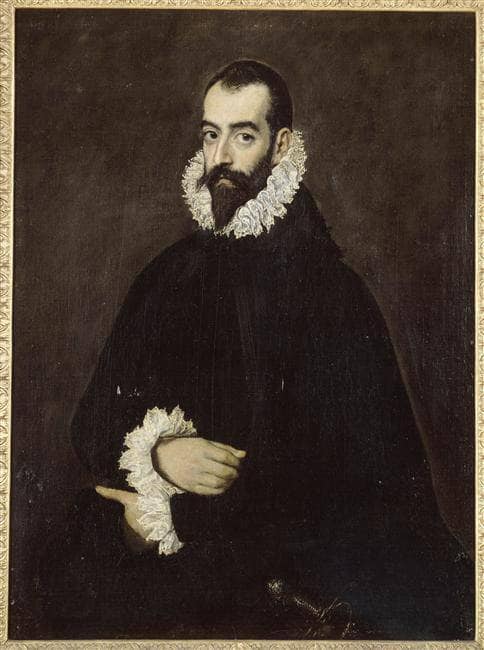
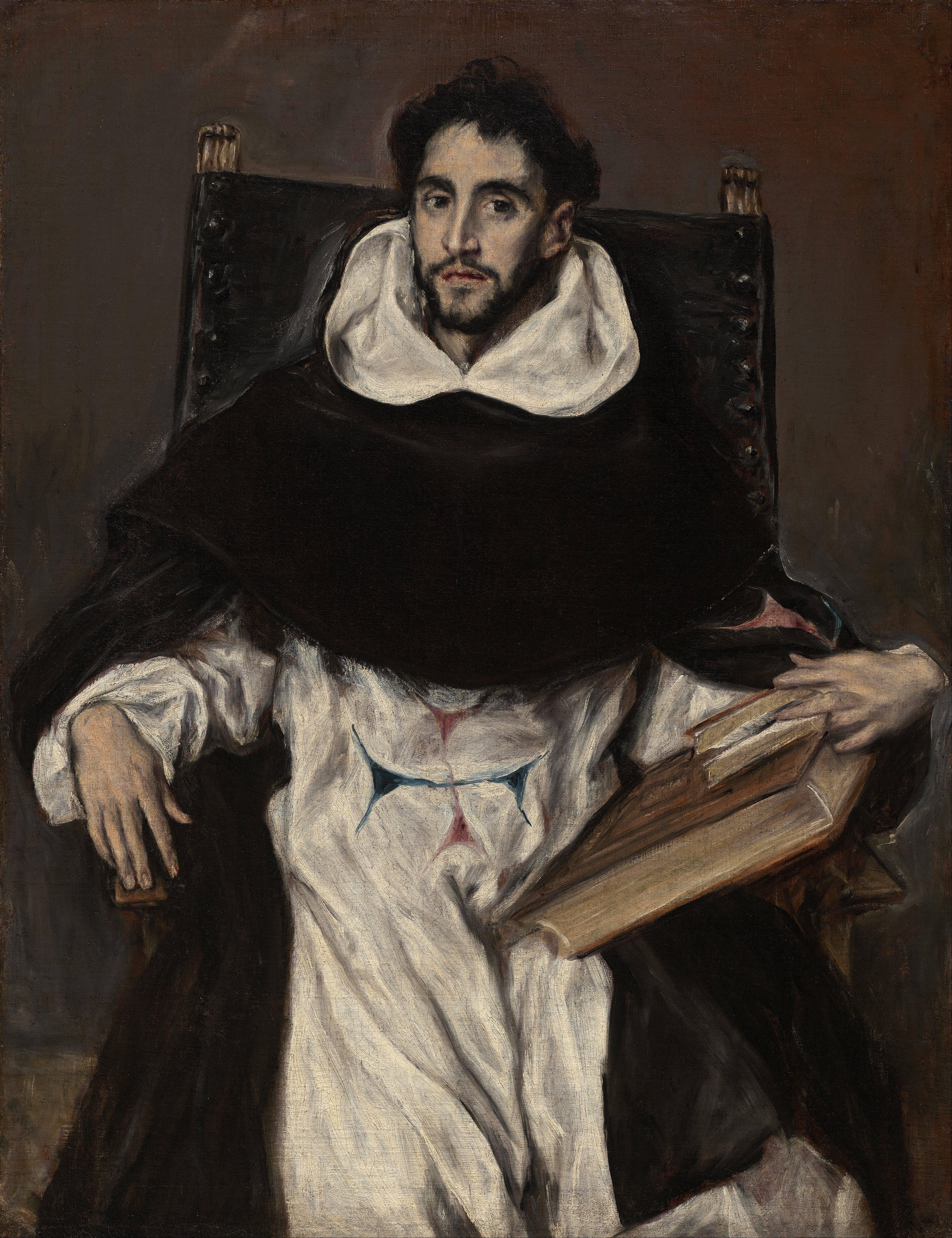
Portrait of Juan Alfonso de Pimentel y Herrera
Exploring the Masterpiece: Portrait of Juan Alfonso de Pimentel y Herrera by El Greco
Historical Context of El Greco's Artistic Era
The Influence of the Spanish Renaissance on El Greco
El Greco, born Domenikos Theotokopoulos, thrived during the Spanish Renaissance, a period marked by cultural flourishing and artistic innovation. This era saw the rise of powerful patrons who commissioned grand works, allowing artists like El Greco to explore new themes and techniques. The Spanish Renaissance was characterized by a blend of Gothic and Mannerist styles, which deeply influenced El Greco's approach to portraiture.El Greco's Unique Style: Mannerism and Beyond
El Greco's style is often associated with Mannerism, known for its elongated figures and dramatic expressions. His work transcended traditional boundaries, incorporating elements of Byzantine art and a vivid color palette. This unique fusion created a distinctive visual language that set El Greco apart from his contemporaries, making his portraits, including that of Juan Alfonso de Pimentel y Herrera, truly remarkable.Unveiling the Subject: Who Was Juan Alfonso de Pimentel y Herrera?
A Nobleman's Life: The Background of Pimentel y Herrera
Juan Alfonso de Pimentel y Herrera was a prominent Spanish nobleman, known for his influential role in the court of King Philip II. Born into a noble family, he held various titles and was involved in significant political affairs. His life was marked by loyalty to the crown and participation in the complex social dynamics of 16th-century Spain.Political and Social Significance of His Portrait
The portrait of Pimentel y Herrera serves as a historical document, reflecting the power and prestige of the Spanish nobility. It captures the essence of his character and status, showcasing the importance of portraiture in conveying social hierarchy. This painting not only immortalizes Pimentel y Herrera but also offers insights into the political landscape of his time.Artistic Techniques and Symbolism in the Portrait
Color Palette: The Emotional Impact of El Greco's Choices
El Greco's use of color in the portrait is striking. He employed deep blues and rich earth tones to evoke a sense of nobility and gravitas. The contrasting colors create an emotional resonance, drawing viewers into the subject's world. This deliberate choice enhances the overall impact of the painting, making it a powerful representation of Pimentel y Herrera.Brushwork and Texture: Capturing the Essence of the Subject
The brushwork in this portrait is both expressive and meticulous. El Greco's technique creates a sense of movement and life, allowing the viewer to feel the presence of Pimentel y Herrera. The texture of the fabric in his attire is rendered with incredible detail, showcasing El Greco's skill in portraying the luxurious materials typical of noble clothing.Symbolic Elements: What Lies Beneath the Surface?
El Greco often infused his works with symbolism. In this portrait, the positioning of Pimentel y Herrera's hands and the objects surrounding him may represent his power and influence. The subtle details, such as the background elements, contribute to a deeper understanding of his character and the societal values of the time.The Composition: Analyzing the Layout and Perspective
Framing the Subject: The Role of Space in the Portrait
The composition of the portrait is carefully crafted. El Greco framed Pimentel y Herrera against a dark background, which emphasizes his figure and attire. This use of space draws the viewer's eye directly to the subject, highlighting his importance and stature within the painting.Use of Light and Shadow: Creating Depth and Drama
El Greco masterfully employed chiaroscuro, the contrast of light and shadow, to add depth to the portrait. This technique creates a dramatic effect, enhancing the three-dimensionality of Pimentel y Herrera's figure. The interplay of light and shadow not only adds visual interest but also conveys the emotional weight of the subject.Comparative Analysis: El Greco's Portraits of Nobility
Contrasting Styles: Pimentel y Herrera vs. Other Noble Portraits
When compared to other noble portraits of the time, El Greco's depiction of Pimentel y Herrera stands out. While many artists focused on realism and idealized beauty, El Greco's approach was more expressive and spiritual. His unique style captures the inner essence of his subjects, making his portraits feel alive and dynamic.Recurring Themes in El Greco's Portraiture
El Greco often explored themes of identity, power, and spirituality in his portraits. The portrayal of Pimentel y Herrera reflects these themes, showcasing the nobleman's status while hinting at the deeper human experience. This ability to convey complex emotions and ideas is a hallmark of El Greco's work.The Legacy of El Greco: Influence on Future Generations
How El Greco Shaped Modern Portraiture
El Greco's innovative techniques and emotional depth have left a lasting impact on modern portraiture. Artists who followed him drew inspiration from his use of color, form, and symbolism. His ability to convey the human experience through art continues to resonate with contemporary audiences.Recognition and Revival of El Greco's Work in Contemporary Art
In recent years, there has been a revival of interest in El Greco's work. Exhibitions and scholarly research have brought his masterpieces, including the Portrait of Juan Alfonso de Pimentel y Herrera, back into the spotlight. This renewed appreciation highlights the timeless quality of his art and its relevance in today's cultural landscape.Visiting the Original: Where to Experience the Painting Today
Key Locations: Museums Housing El Greco's Works
The original Portrait of Juan Alfonso de Pimentel y Herrera is housed in the Museo del Prado in Madrid, Spain. This prestigious museum features an extensive collection of El Greco's works, allowing visitors to immerse themselves in his artistic genius. The museum's setting enhances the experience, providing context for the painting's historical significance.Exhibitions and Events Celebrating El Greco's Legacy
Throughout the year, various exhibitions celebrate El Greco's contributions to art. These events often include lectures, guided tours, and workshops that delve into his techniques and themes. Attending these exhibitions offers a unique opportunity to engage with El Greco's legacy and gain a deeper understanding of his masterpieces.FAQs About the Portrait of Juan Alfonso de Pimentel y Herrera
What is the significance of the Portrait of Juan Alfonso de Pimentel y Herrera?
The portrait is significant as it captures the essence of a powerful nobleman during the Spanish Renaissance. It reflects the social and political dynamics of the time, showcasing El Greco's ability to convey character and status through art.What techniques did El Greco use in this painting?
El Greco employed techniques such as chiaroscuro, expressive brushwork, and a vibrant color palette. These methods enhance the emotional depth and visual impact of the portrait.How does this portrait reflect the characteristics of the Spanish Renaissance?
The portrait embodies the Spanish Renaissance's focus on individualism and the exploration of human emotion. El Greco's unique style, blending Mannerism and spirituality, captures the essence of this transformative period in art history.What are the notable features of Juan Alfonso de Pimentel y Herrera's attire in the painting?
Pimentel y Herrera's attire is characterized by rich fabrics and intricate details, reflecting his noble status. The use of deep colors and textures in his clothing highlights the opulence associated with the Spanish aristocracy.How has the perception of El Greco's work changed over time?
Initially, El Greco's work was met with mixed reviews, but over time, he gained recognition as a master of expression and emotion. Today, he is celebrated for his innovative techniques and profound impact on the art world.FAQs About the Painting Reproduction
What should I consider when purchasing a reproduction of this painting?
When purchasing a reproduction, consider the quality of materials used, the accuracy of colors, and the level of detail. A high-quality painting reproduction will capture the essence of El Greco's original work far better than a simple print.How can I ensure the quality of the reproduction matches the original's essence?
Look for reproductions created by skilled artists who specialize in oil painting techniques. Ensure that the reproduction reflects the original's color palette, brushwork, and texture to truly honor El Greco's masterpiece.Select Size
From $89.98
Original: $299.95
-70%Portrait of Juan Alfonso de Pimentel y Herrera—
$299.95
$89.98Product Information
Product Information
Shipping & Returns
Shipping & Returns