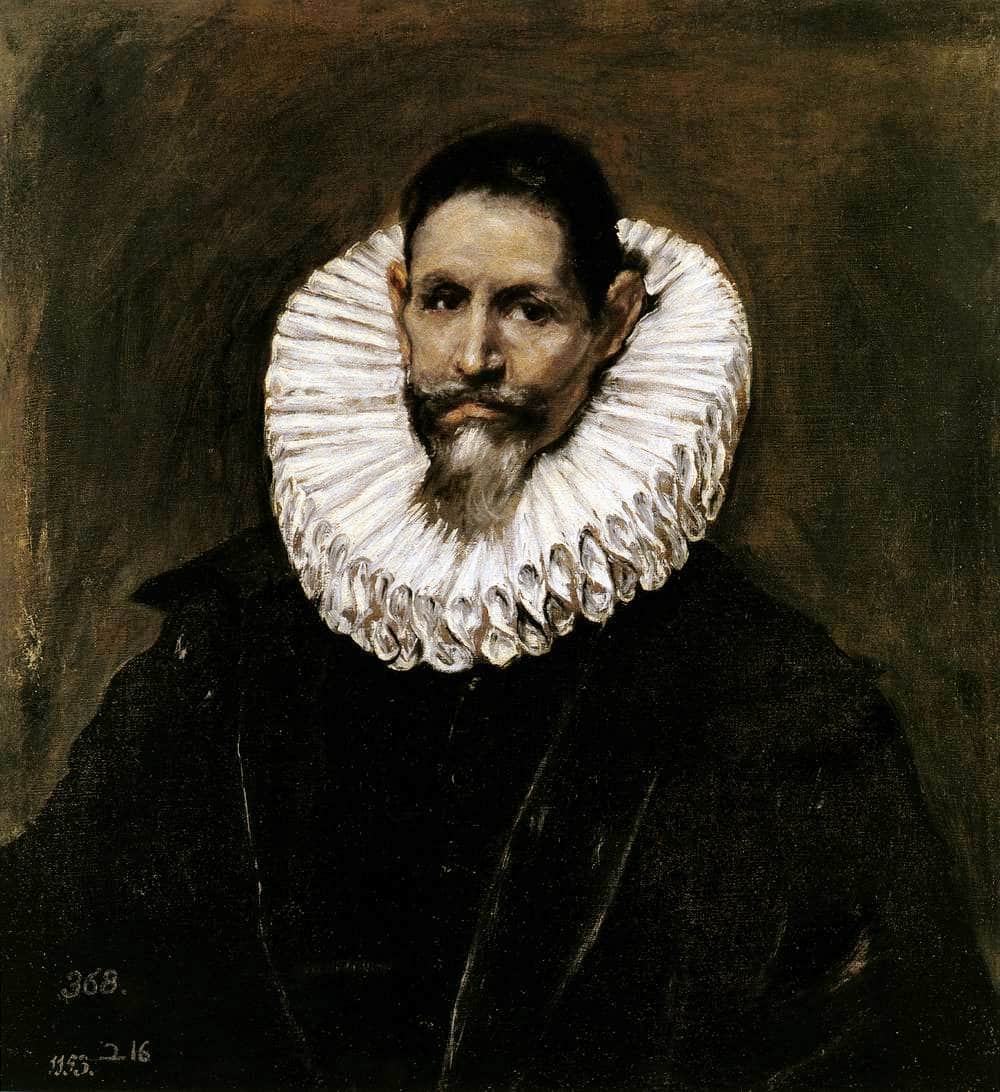
Portrait of Fray Hortensio Felix Paravicino
Exploring the Masterpiece: Portrait of Fray Hortensio Felix Paravicino by El Greco
Historical Context of El Greco's Work
The Influence of the Spanish Renaissance on El Greco
El Greco, born Domenikos Theotokopoulos, emerged during the Spanish Renaissance, a period rich in artistic innovation. His unique style blended Byzantine traditions with Western influences, creating a distinctive approach that set him apart from his contemporaries. The Spanish Renaissance was marked by a flourishing of literature, philosophy, and visual arts, all of which shaped El Greco's vision.
Fray Hortensio Felix Paravicino: A Key Figure in Spanish Literature
Fray Hortensio Felix Paravicino was not just a subject of El Greco's brush; he was a prominent poet, theologian, and orator. His contributions to Spanish literature during the Golden Age were significant, as he wrote extensively on religious themes and human experience. Paravicino's eloquence and intellect made him a respected figure in the literary circles of 17th-century Spain.
Religious and Cultural Significance in 17th Century Spain
The 17th century was a time of deep religious fervor in Spain, influenced by the Counter-Reformation. El Greco's work often reflected the spiritual struggles of the era. The portrait of Fray Hortensio captures this essence, showcasing the intertwining of faith and intellect that characterized the period. This painting serves as a testament to the cultural and religious dynamics of its time.
Artistic Techniques and Styles in El Greco's Portrait
Use of Color and Light: The Dramatic Palette of El Greco
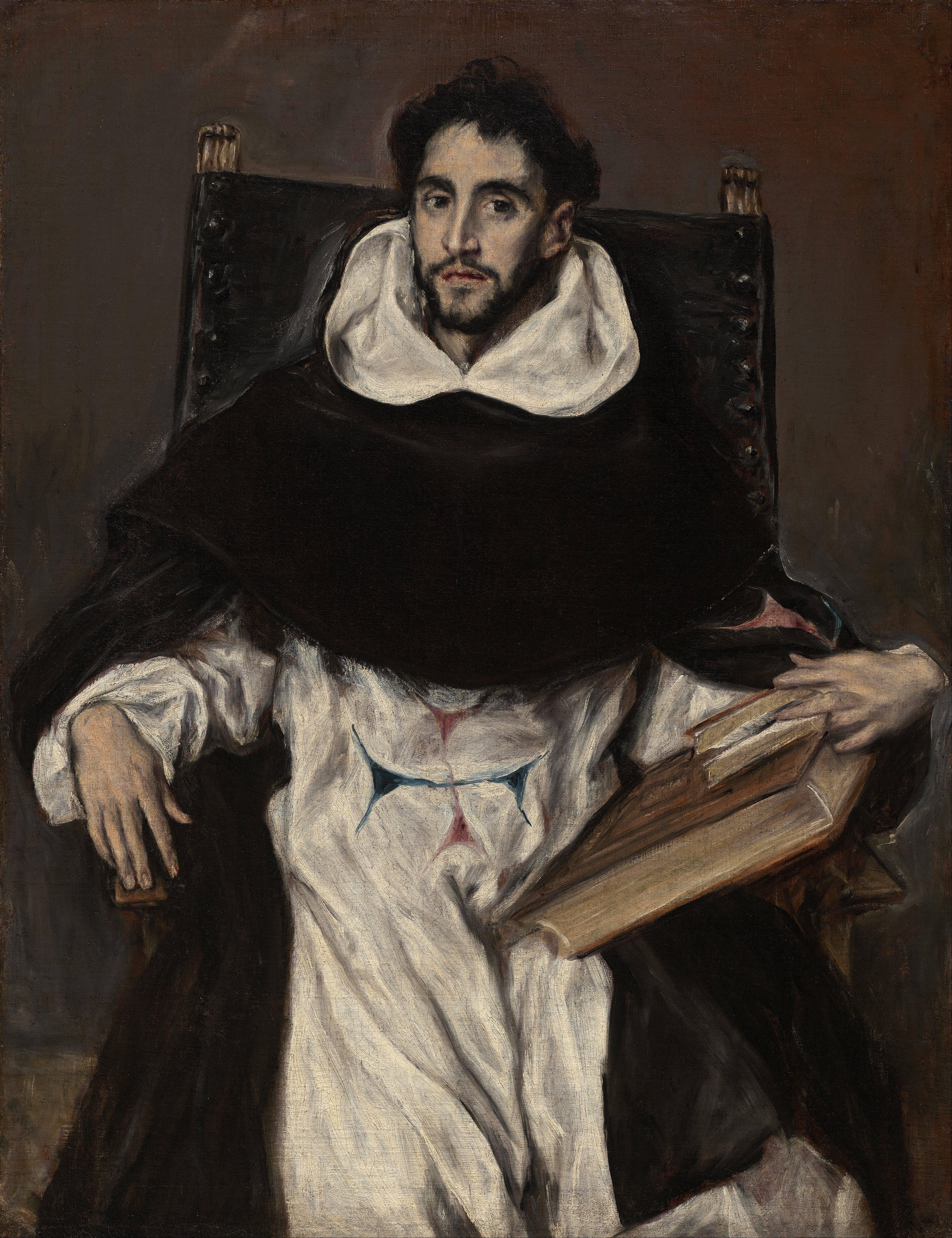
El Greco's use of color is one of the hallmarks of his artistry. In the Portrait of Fray Hortensio, he employs a dramatic palette that enhances the emotional depth of the subject. The vibrant reds and deep blues create a striking contrast, drawing the viewer's eye to the figure's expressive face and intricate garments.
Brushwork and Texture: Capturing Emotion through Technique
The brushwork in this portrait is both bold and delicate. El Greco's technique captures the texture of Fray Hortensio's robes and the softness of his skin. This attention to detail adds a layer of realism, allowing viewers to connect with the subject on a personal level. The dynamic brushstrokes convey a sense of movement and life.
Composition and Perspective: The Arrangement of Figures
El Greco's composition in this portrait is masterful. He places Fray Hortensio slightly off-center, creating a sense of balance and intrigue. The background, with its muted tones, allows the figure to stand out, emphasizing his importance. This thoughtful arrangement guides the viewer's gaze and enhances the overall impact of the painting.
Symbolism and Themes in the Portrait of Fray Hortensio
Religious Symbolism: The Role of the Clergy in Art
Religious symbolism permeates El Greco's work, and the Portrait of Fray Hortensio is no exception. The figure's clerical attire signifies his role in the Church, representing the spiritual authority of the clergy during the Counter-Reformation. This portrait serves as a visual reminder of the power and influence of religious leaders in society.
Intellectualism and Spirituality: A Reflection of Paravicino's Life
Fray Hortensio's life was a blend of intellectual pursuit and spiritual devotion. This duality is evident in the portrait, where his thoughtful expression suggests a deep contemplation of faith and knowledge. El Greco captures this essence, reflecting Paravicino's contributions to both literature and theology.
Contrasts of Light and Shadow: The Duality of Existence
The interplay of light and shadow in this portrait symbolizes the duality of existence. El Greco's dramatic chiaroscuro technique highlights the contrasts between the spiritual and the earthly. This theme resonates with viewers, inviting them to ponder the complexities of life and faith.
Fray Hortensio Felix Paravicino: Life and Legacy
Biography of Fray Hortensio: Poet, Theologian, and Orator
Fray Hortensio Felix Paravicino was born in 1560 and became a significant figure in Spanish literature. His works often explored themes of love, faith, and morality. As a theologian, he contributed to the understanding of religious texts, making him a respected voice in his time.
Paravicino's Influence on Spanish Literature and Culture
Paravicino's poetry and sermons left a lasting impact on Spanish literature. His ability to weave complex ideas into accessible language resonated with audiences. He inspired future generations of writers and thinkers, solidifying his place in the cultural history of Spain.
His Relationship with El Greco: Patronage and Friendship
Fray Hortensio and El Greco shared a close relationship, marked by mutual respect and admiration. Paravicino was one of El Greco's patrons, supporting his artistic endeavors. This friendship enriched both their lives, as they influenced each other's work and legacy.
Comparative Analysis: El Greco's Portraits of Other Figures
Contrasting Styles: Comparing Paravicino with Other Portraits
El Greco's Portrait of Fray Hortensio stands out among his other works. While he often depicted saints and religious figures, this portrait captures a unique blend of spirituality and intellect. The emotional depth and vibrant colors set it apart from his more traditional religious portraits.
El Greco's Unique Approach to Portraiture: A Signature Style
El Greco's approach to portraiture is characterized by elongated forms and expressive features. In the Portrait of Fray Hortensio, these elements come together to create a powerful image. His signature style invites viewers to engage with the subject on a deeper level, transcending mere representation.
Influence on Future Generations of Artists
El Greco's innovative techniques and emotional depth influenced countless artists after him. His unique style paved the way for the Baroque movement and inspired modern artists to explore expression and color. The legacy of his work continues to resonate in the art world today.
Viewing the Portrait: Where to Experience El Greco's Work
Major Museums Housing El Greco's Art: A Guide for Art Lovers
Art enthusiasts can view the Portrait of Fray Hortensio Felix Paravicino at the Museo de El Greco in Toledo, Spain. This museum is dedicated to the life and works of El Greco, offering a comprehensive look at his artistic journey. Other notable museums, such as the Metropolitan Museum of Art in New York, also house his masterpieces.
Virtual Tours and Online Exhibitions: Accessing Art from Home
For those unable to travel, many museums offer virtual tours and online exhibitions featuring El Greco's work. These digital experiences allow art lovers to explore his paintings from the comfort of their homes. Engaging with art online can deepen appreciation and understanding of El Greco's genius.
Art Appreciation: How to Analyze and Enjoy El Greco's Portraits
To fully appreciate El Greco's portraits, viewers should consider the emotional impact of color and composition. Observing the details in brushwork and texture can reveal the artist's intent. Taking time to reflect on the themes and symbolism enhances the overall experience of viewing his art.
FAQs about the Portrait of Fray Hortensio Felix Paravicino
What is the significance of Fray Hortensio Felix Paravicino in Spanish history?
Fray Hortensio was a pivotal figure in Spanish literature and theology, influencing the cultural landscape of the Golden Age.
How does El Greco's style differ from other artists of his time?
El Greco's style is marked by elongated forms, dramatic colors, and emotional depth, setting him apart from his contemporaries.
What themes are prevalent in the Portrait of Fray Hortensio?
The portrait explores themes of spirituality, intellectualism, and the duality of existence through its use of light and shadow.
Where can I see the original Portrait of Fray Hortensio Felix Paravicino?
The original painting is housed at the Museo de El Greco in Toledo, Spain, a must-visit for art lovers.
What techniques did El Greco use to create this portrait?
El Greco employed dramatic color contrasts, expressive brushwork, and a unique composition to create this captivating portrait.
How does this painting reflect the cultural context of its time?
The painting reflects the religious fervor and intellectual pursuits of 17th-century Spain, showcasing the importance of the clergy in society.
What should I know about reproducing El Greco's works?
Reproducing El Greco's works as paintings offers a superior experience compared to prints, capturing the texture and depth of the original art.
Are there any notable reproductions of the Portrait of Fray Hortensio?
Many art studios offer high-quality reproductions of the Portrait of Fray Hortensio, allowing art lovers to enjoy this masterpiece in their own homes.
Original: $299.95
-70%$299.95
$89.98Product Information
Product Information
Shipping & Returns
Shipping & Returns
Description
Exploring the Masterpiece: Portrait of Fray Hortensio Felix Paravicino by El Greco
Historical Context of El Greco's Work
The Influence of the Spanish Renaissance on El Greco
El Greco, born Domenikos Theotokopoulos, emerged during the Spanish Renaissance, a period rich in artistic innovation. His unique style blended Byzantine traditions with Western influences, creating a distinctive approach that set him apart from his contemporaries. The Spanish Renaissance was marked by a flourishing of literature, philosophy, and visual arts, all of which shaped El Greco's vision.
Fray Hortensio Felix Paravicino: A Key Figure in Spanish Literature
Fray Hortensio Felix Paravicino was not just a subject of El Greco's brush; he was a prominent poet, theologian, and orator. His contributions to Spanish literature during the Golden Age were significant, as he wrote extensively on religious themes and human experience. Paravicino's eloquence and intellect made him a respected figure in the literary circles of 17th-century Spain.
Religious and Cultural Significance in 17th Century Spain
The 17th century was a time of deep religious fervor in Spain, influenced by the Counter-Reformation. El Greco's work often reflected the spiritual struggles of the era. The portrait of Fray Hortensio captures this essence, showcasing the intertwining of faith and intellect that characterized the period. This painting serves as a testament to the cultural and religious dynamics of its time.
Artistic Techniques and Styles in El Greco's Portrait
Use of Color and Light: The Dramatic Palette of El Greco
El Greco's use of color is one of the hallmarks of his artistry. In the Portrait of Fray Hortensio, he employs a dramatic palette that enhances the emotional depth of the subject. The vibrant reds and deep blues create a striking contrast, drawing the viewer's eye to the figure's expressive face and intricate garments.
Brushwork and Texture: Capturing Emotion through Technique
The brushwork in this portrait is both bold and delicate. El Greco's technique captures the texture of Fray Hortensio's robes and the softness of his skin. This attention to detail adds a layer of realism, allowing viewers to connect with the subject on a personal level. The dynamic brushstrokes convey a sense of movement and life.
Composition and Perspective: The Arrangement of Figures
El Greco's composition in this portrait is masterful. He places Fray Hortensio slightly off-center, creating a sense of balance and intrigue. The background, with its muted tones, allows the figure to stand out, emphasizing his importance. This thoughtful arrangement guides the viewer's gaze and enhances the overall impact of the painting.
Symbolism and Themes in the Portrait of Fray Hortensio
Religious Symbolism: The Role of the Clergy in Art
Religious symbolism permeates El Greco's work, and the Portrait of Fray Hortensio is no exception. The figure's clerical attire signifies his role in the Church, representing the spiritual authority of the clergy during the Counter-Reformation. This portrait serves as a visual reminder of the power and influence of religious leaders in society.
Intellectualism and Spirituality: A Reflection of Paravicino's Life
Fray Hortensio's life was a blend of intellectual pursuit and spiritual devotion. This duality is evident in the portrait, where his thoughtful expression suggests a deep contemplation of faith and knowledge. El Greco captures this essence, reflecting Paravicino's contributions to both literature and theology.
Contrasts of Light and Shadow: The Duality of Existence
The interplay of light and shadow in this portrait symbolizes the duality of existence. El Greco's dramatic chiaroscuro technique highlights the contrasts between the spiritual and the earthly. This theme resonates with viewers, inviting them to ponder the complexities of life and faith.
Fray Hortensio Felix Paravicino: Life and Legacy
Biography of Fray Hortensio: Poet, Theologian, and Orator
Fray Hortensio Felix Paravicino was born in 1560 and became a significant figure in Spanish literature. His works often explored themes of love, faith, and morality. As a theologian, he contributed to the understanding of religious texts, making him a respected voice in his time.
Paravicino's Influence on Spanish Literature and Culture
Paravicino's poetry and sermons left a lasting impact on Spanish literature. His ability to weave complex ideas into accessible language resonated with audiences. He inspired future generations of writers and thinkers, solidifying his place in the cultural history of Spain.
His Relationship with El Greco: Patronage and Friendship
Fray Hortensio and El Greco shared a close relationship, marked by mutual respect and admiration. Paravicino was one of El Greco's patrons, supporting his artistic endeavors. This friendship enriched both their lives, as they influenced each other's work and legacy.
Comparative Analysis: El Greco's Portraits of Other Figures
Contrasting Styles: Comparing Paravicino with Other Portraits
El Greco's Portrait of Fray Hortensio stands out among his other works. While he often depicted saints and religious figures, this portrait captures a unique blend of spirituality and intellect. The emotional depth and vibrant colors set it apart from his more traditional religious portraits.
El Greco's Unique Approach to Portraiture: A Signature Style
El Greco's approach to portraiture is characterized by elongated forms and expressive features. In the Portrait of Fray Hortensio, these elements come together to create a powerful image. His signature style invites viewers to engage with the subject on a deeper level, transcending mere representation.
Influence on Future Generations of Artists
El Greco's innovative techniques and emotional depth influenced countless artists after him. His unique style paved the way for the Baroque movement and inspired modern artists to explore expression and color. The legacy of his work continues to resonate in the art world today.
Viewing the Portrait: Where to Experience El Greco's Work
Major Museums Housing El Greco's Art: A Guide for Art Lovers
Art enthusiasts can view the Portrait of Fray Hortensio Felix Paravicino at the Museo de El Greco in Toledo, Spain. This museum is dedicated to the life and works of El Greco, offering a comprehensive look at his artistic journey. Other notable museums, such as the Metropolitan Museum of Art in New York, also house his masterpieces.
Virtual Tours and Online Exhibitions: Accessing Art from Home
For those unable to travel, many museums offer virtual tours and online exhibitions featuring El Greco's work. These digital experiences allow art lovers to explore his paintings from the comfort of their homes. Engaging with art online can deepen appreciation and understanding of El Greco's genius.
Art Appreciation: How to Analyze and Enjoy El Greco's Portraits
To fully appreciate El Greco's portraits, viewers should consider the emotional impact of color and composition. Observing the details in brushwork and texture can reveal the artist's intent. Taking time to reflect on the themes and symbolism enhances the overall experience of viewing his art.
FAQs about the Portrait of Fray Hortensio Felix Paravicino
What is the significance of Fray Hortensio Felix Paravicino in Spanish history?
Fray Hortensio was a pivotal figure in Spanish literature and theology, influencing the cultural landscape of the Golden Age.
How does El Greco's style differ from other artists of his time?
El Greco's style is marked by elongated forms, dramatic colors, and emotional depth, setting him apart from his contemporaries.
What themes are prevalent in the Portrait of Fray Hortensio?
The portrait explores themes of spirituality, intellectualism, and the duality of existence through its use of light and shadow.
Where can I see the original Portrait of Fray Hortensio Felix Paravicino?
The original painting is housed at the Museo de El Greco in Toledo, Spain, a must-visit for art lovers.
What techniques did El Greco use to create this portrait?
El Greco employed dramatic color contrasts, expressive brushwork, and a unique composition to create this captivating portrait.
How does this painting reflect the cultural context of its time?
The painting reflects the religious fervor and intellectual pursuits of 17th-century Spain, showcasing the importance of the clergy in society.
What should I know about reproducing El Greco's works?
Reproducing El Greco's works as paintings offers a superior experience compared to prints, capturing the texture and depth of the original art.
Are there any notable reproductions of the Portrait of Fray Hortensio?
Many art studios offer high-quality reproductions of the Portrait of Fray Hortensio, allowing art lovers to enjoy this masterpiece in their own homes.