🚚 Free Worldwide Shipping on All Orders!Shop Now

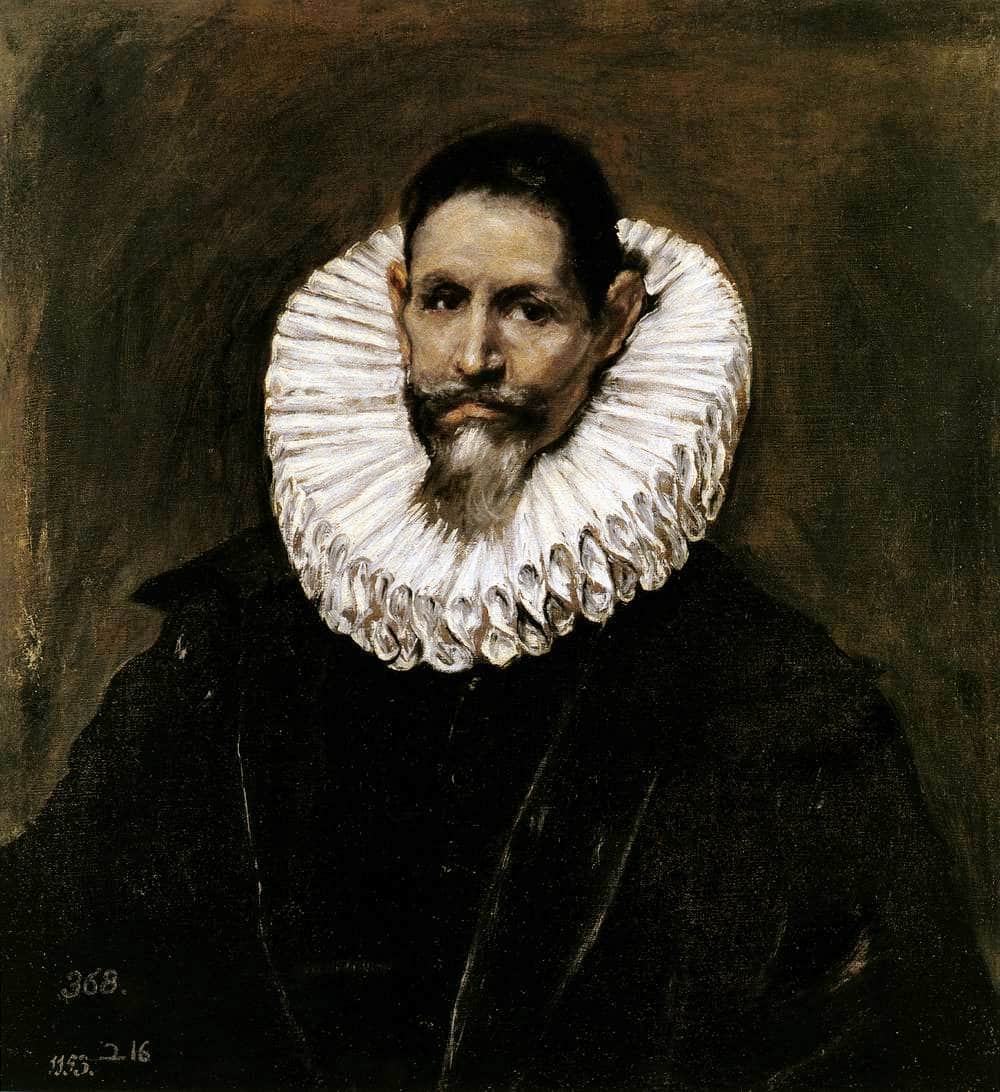
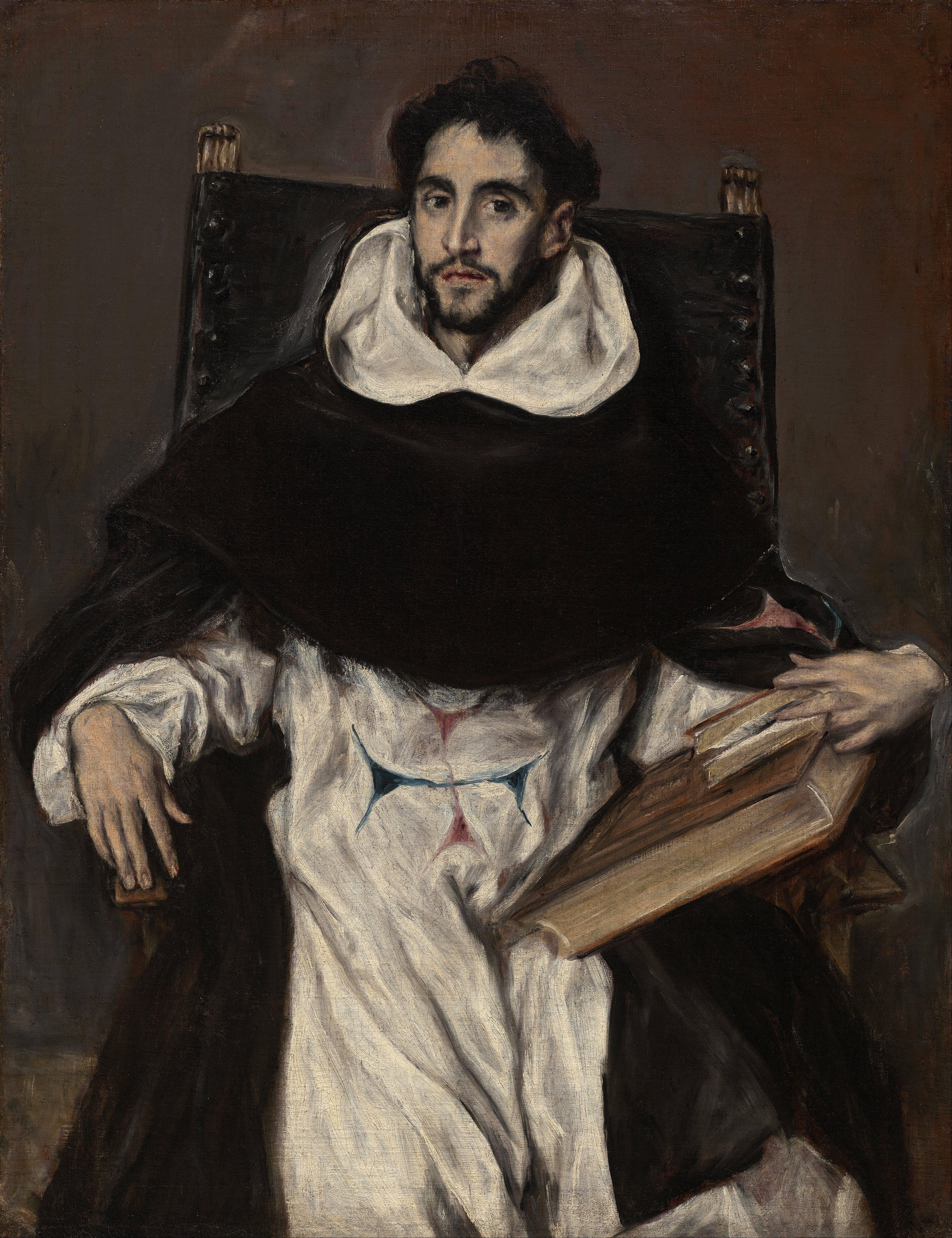
Portrait of Jeronimo de Cevallos
Exploring the Masterpiece: Portrait of Jeronimo de Cevallos by El Greco
Historical Context of El Greco's Work
The Influence of the Spanish Renaissance on El Greco
El Greco, born Domenikos Theotokopoulos, emerged during the Spanish Renaissance, a period rich in artistic innovation. This era saw a blend of Gothic, Mannerist, and Baroque styles, which shaped El Greco's unique vision. His work reflects the spiritual fervor and cultural richness of 16th-century Spain, influenced by the Counter-Reformation's emphasis on religious themes.El Greco's Unique Style: Mannerism and Beyond
El Greco's style is often categorized as Mannerism, characterized by elongated forms and dramatic colors. His paintings, including the Portrait of Jeronimo de Cevallos, showcase a distinctive use of light and shadow, creating a sense of depth and emotion. This approach set him apart from his contemporaries, making his work a bridge between Renaissance ideals and the emerging Baroque style.Jeronimo de Cevallos: A Figure of Significance
Who Was Jeronimo de Cevallos? A Brief Biography
Jeronimo de Cevallos was a prominent figure in the Spanish clergy during the late 16th century. He served as a bishop and was known for his dedication to the Catholic Church. His life was marked by a commitment to religious service and community leadership, making him a respected figure in Toledo, Spain.The Role of Cevallos in Spanish Society and Church
Cevallos played a crucial role in the Spanish Church, particularly during a time of significant religious upheaval. His influence extended beyond the pulpit; he was involved in various social initiatives aimed at improving the lives of the poor. This dedication to service is subtly reflected in El Greco's portrayal of him, emphasizing his moral integrity and spiritual depth.Artistic Techniques and Symbolism in the Portrait
Color Palette: The Emotional Impact of El Greco's Choices
El Greco's color palette in the Portrait of Jeronimo de Cevallos is striking and intentional. He employs deep blues and rich reds, evoking a sense of solemnity and reverence. These colors not only highlight Cevallos' status but also reflect the emotional weight of his responsibilities as a church leader.Brushwork and Texture: Capturing the Essence of Cevallos
The brushwork in this portrait is both expressive and meticulous. El Greco's technique creates a textured surface that brings Cevallos to life. The delicate details in his garments and the softness of his facial features showcase El Greco's ability to capture human emotion and character.Symbolic Elements: What the Portrait Reveals About Cevallos
Symbolism plays a vital role in this portrait. The bishop's attire, adorned with intricate details, signifies his high rank within the Church. Additionally, the subtle inclusion of religious motifs hints at his spiritual dedication. These elements work together to convey Cevallos' significance in both the ecclesiastical and social realms.Composition and Design: Analyzing the Layout
Framing the Subject: The Importance of Cevallos' Pose
Cevallos' pose is commanding yet contemplative. He gazes slightly off to the side, suggesting introspection and wisdom. This thoughtful positioning invites viewers to engage with his character, reflecting his role as a spiritual guide and leader.Background Elements: Setting the Scene for the Portrait
The background of the portrait is intentionally subdued, allowing Cevallos to stand out. The dark tones create a dramatic contrast with his bright attire, emphasizing his importance. This design choice enhances the viewer's focus on Cevallos, reinforcing his prominence in the composition.Comparative Analysis: El Greco's Portraits of Other Figures
Contrasting Styles: Cevallos vs. Other Notable Portraits
When compared to other portraits by El Greco, such as that of Saint Francis or the Count of Orgaz, Cevallos' portrait exhibits a unique blend of solemnity and grace. While other figures may display more dramatic poses, Cevallos embodies a serene authority, reflecting his role in the Church.Recurring Themes in El Greco's Portraiture
El Greco often explored themes of spirituality, identity, and the human condition in his portraits. The Portrait of Jeronimo de Cevallos is no exception, as it encapsulates the tension between earthly responsibilities and spiritual devotion. This theme resonates throughout El Greco's body of work, making it a hallmark of his artistic legacy.The Legacy of El Greco's Portrait of Jeronimo de Cevallos
Impact on Future Generations of Artists
El Greco's innovative techniques and emotional depth have influenced countless artists. His ability to convey complex human emotions through color and form paved the way for future movements, including Expressionism. The Portrait of Jeronimo de Cevallos remains a testament to his lasting impact on the art world.Current Exhibitions and Locations of the Original Painting
The original Portrait of Jeronimo de Cevallos is housed in the Museo de El Greco in Toledo, Spain. This museum is dedicated to the life and works of El Greco, offering visitors a chance to explore his masterpieces in the context of his life. The painting is a highlight of the collection, drawing art lovers from around the globe.FAQs About the Portrait of Jeronimo de Cevallos
What is the significance of the Portrait of Jeronimo de Cevallos?
The portrait is significant as it captures the essence of a key religious figure during a transformative period in Spanish history. It reflects El Greco's mastery in portraying spiritual depth and human emotion.How does El Greco's style influence modern art?
El Greco's unique style, characterized by expressive color and elongated forms, has inspired modern artists to explore emotional expression and abstraction in their work.What are the main themes depicted in the painting?
The main themes include spirituality, authority, and the duality of human experience, reflecting Cevallos' role as a church leader and his moral responsibilities.Where can I see the original Portrait of Jeronimo de Cevallos?
You can see the original painting at the Museo de El Greco in Toledo, Spain, where it is prominently displayed among other works by the artist.What materials did El Greco use for this painting?
El Greco used oil on canvas for the Portrait of Jeronimo de Cevallos, a medium that allowed him to achieve rich colors and intricate details.How does the reproduction of this painting compare to the original?
Art reproductions of the Portrait of Jeronimo de Cevallos offer a superior alternative to prints. They capture the texture, color depth, and emotional resonance of the original artwork, making them a valuable addition to any art collection.What should I consider when purchasing a reproduction of this artwork?
When purchasing a reproduction, consider the quality of materials, the accuracy of colors, and the craftsmanship involved. A high-quality reproduction will reflect the essence of El Greco's original work, enhancing your space with its beauty and historical significance.Select Size
From $74.98
Original: $249.95
-70%Portrait of Jeronimo de Cevallos—
$249.95
$74.98Product Information
Product Information
Shipping & Returns
Shipping & Returns