🚚 Free Worldwide Shipping on All Orders!Shop Now

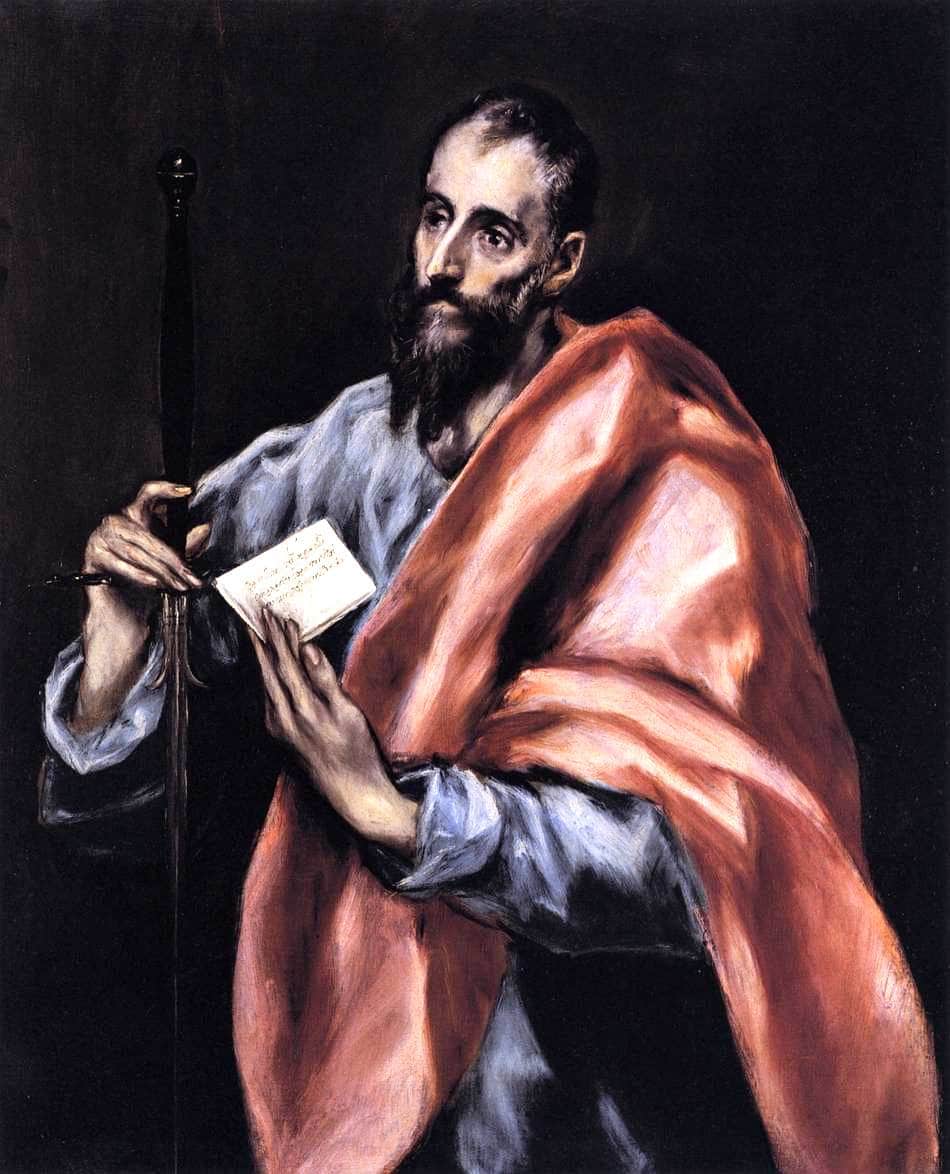
Apostle St. Paul
Exploring the Spiritual Depth of Apostle St. Paul by El Greco
Historical Context of El Greco's Apostle St. Paul
The Influence of the Spanish Renaissance on El Greco
El Greco, born Domenikos Theotokopoulos, emerged during the Spanish Renaissance, a period rich in artistic innovation. His work reflects the cultural and religious fervor of 16th-century Spain. The Counter-Reformation played a crucial role in shaping his themes, as artists sought to inspire faith and devotion through their art. El Greco's Apostle St. Paul embodies this spirit, showcasing the deep connection between art and spirituality.El Greco's Unique Style: Mannerism and Expressionism
El Greco's style is a fascinating blend of Mannerism and early Expressionism. His elongated figures and dramatic poses create a sense of movement and emotional intensity. In Apostle St. Paul, the artist's unique approach to form and color sets him apart from his contemporaries. This painting exemplifies how El Greco pushed the boundaries of traditional representation, making it a standout piece in art history.Religious Significance in 16th Century Art
During the 16th century, religious themes dominated the art world. Artists like El Greco were tasked with conveying complex theological ideas through visual means. Apostle St. Paul serves as a powerful reminder of the Apostle's role in spreading Christianity. The painting captures the essence of faith, making it a vital piece for understanding the religious landscape of the time.Visual Analysis of Apostle St. Paul: Composition and Color
Dynamic Composition: The Use of Space and Form
The composition of Apostle St. Paul is striking and dynamic. El Greco expertly uses space to draw the viewer's eye toward the central figure of St. Paul. The arrangement of elements creates a sense of depth and movement, inviting viewers to engage with the painting on multiple levels. This thoughtful composition enhances the spiritual message of the artwork.Color Palette: Symbolism of Blues and Earthy Tones
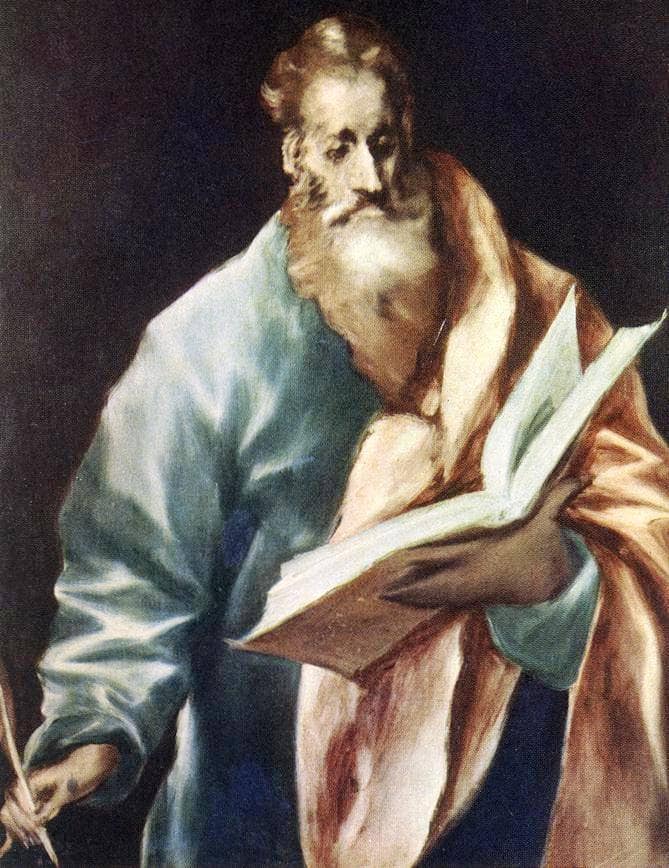
El Greco's color palette in Apostle St. Paul is rich and symbolic. The deep blues evoke a sense of the divine, while earthy tones ground the figure in reality. This contrast highlights the duality of St. Paul's earthly mission and heavenly calling. The colors work together to create a harmonious balance that captivates the viewer.Light and Shadow: Creating Dramatic Tension
Light and shadow play a crucial role in Apostle St. Paul. El Greco masterfully employs chiaroscuro to create dramatic tension. The interplay of light illuminates St. Paul's face, emphasizing his expression and the weight of his message. This technique not only enhances the emotional impact but also adds a three-dimensional quality to the painting.The Iconography of Apostle St. Paul: Symbols and Meanings
Understanding the Attributes of St. Paul: The Sword and Book
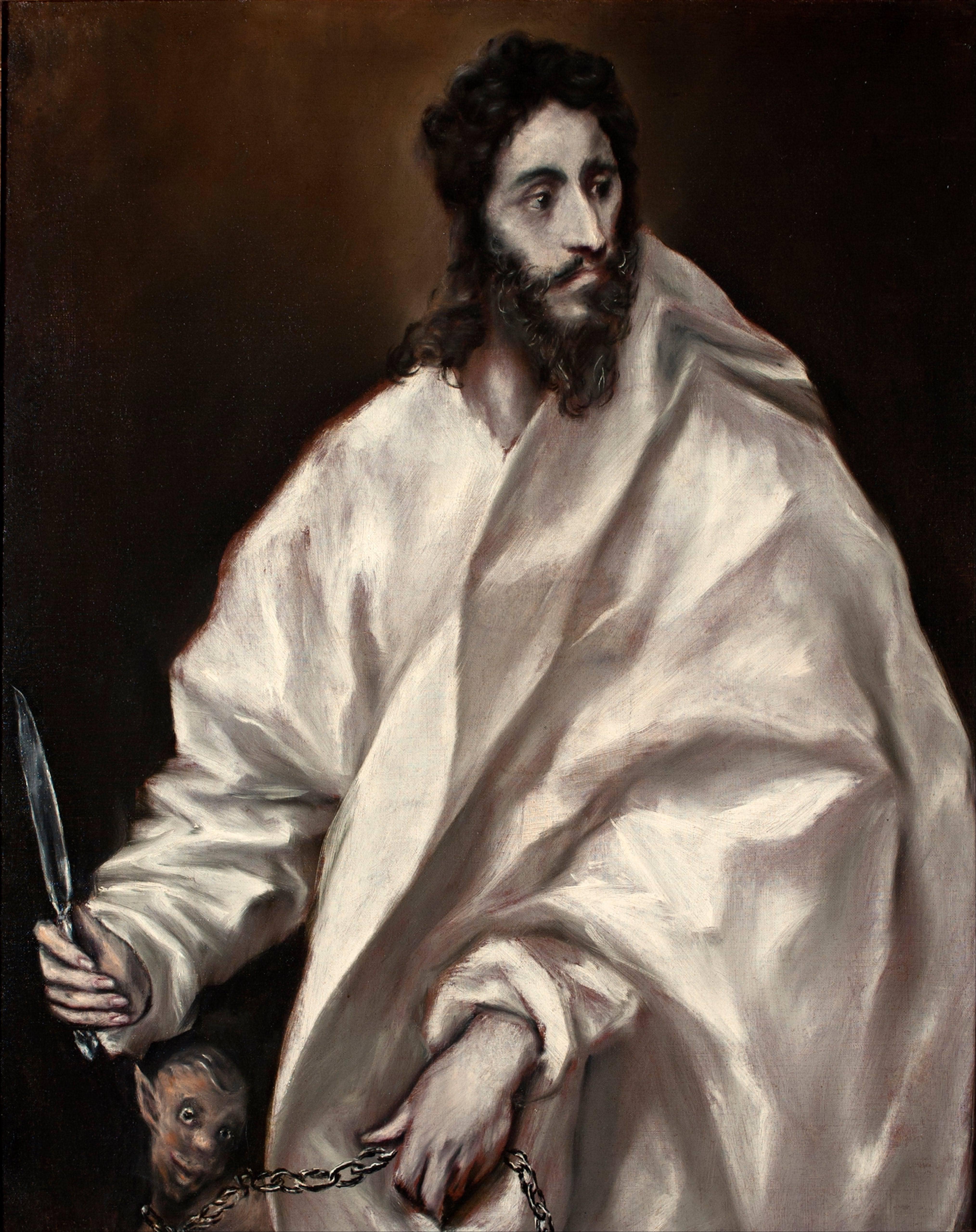
In Apostle St. Paul, the sword and book are significant symbols. The sword represents St. Paul's role as a defender of the faith, while the book signifies his teachings and writings. These attributes highlight his dual nature as both a warrior and a scholar, embodying the complexities of his character and mission.Facial Expression and Gesture: Conveying Emotion and Intellect
St. Paul's facial expression is one of deep contemplation and conviction. His gesture, with one hand raised, suggests a call to action or a moment of revelation. El Greco captures the essence of St. Paul's intellect and passion, inviting viewers to connect with the Apostle's profound spiritual journey.Contextualizing the Background: Architectural Elements and Their Significance
The background of Apostle St. Paul features architectural elements that enhance the narrative. The arches and columns suggest a connection to the divine and the church. These structures frame St. Paul, reinforcing his importance within the Christian faith. The background serves not just as a setting but as a vital part of the painting's overall message.El Greco's Technique: Brushwork and Texture in Apostle St. Paul
Layering Techniques: The Art of Glazing and Impasto
El Greco's technique in Apostle St. Paul showcases his mastery of layering. He employs glazing to create depth and luminosity, allowing colors to interact beautifully. The use of impasto adds texture, giving the painting a tactile quality that draws viewers in. This combination of techniques results in a visually stunning artwork.Brushwork: Capturing Movement and Emotion
The brushwork in Apostle St. Paul is expressive and fluid. El Greco's strokes convey movement, enhancing the emotional intensity of the scene. This dynamic brushwork reflects the energy of St. Paul's mission, making the painting feel alive. Each stroke contributes to the overall narrative, inviting viewers to experience the Apostle's journey.Texture: The Physicality of the Painting
The texture of Apostle St. Paul adds to its physical presence. El Greco's use of thick paint creates a sense of depth and dimension. This physicality invites viewers to engage with the artwork on a sensory level, making it more than just a visual experience. The texture enhances the emotional resonance of the painting.Comparative Analysis: Apostle St. Paul and Other Works by El Greco
Contrasting Apostle St. Paul with The Disrobing of Christ
When comparing Apostle St. Paul to The Disrobing of Christ, distinct differences emerge. While both paintings showcase El Greco's dramatic style, Apostle St. Paul focuses on individual spirituality, whereas The Disrobing of Christ emphasizes collective suffering. This contrast highlights El Greco's versatility as an artist.Similarities with The Burial of the Count of Orgaz
Apostle St. Paul shares similarities with The Burial of the Count of Orgaz, particularly in the use of color and light. Both paintings feature a strong spiritual theme and showcase El Greco's unique ability to blend the earthly with the divine. The emotional depth in both works reflects the artist's profound understanding of human experience.El Greco's Evolution: From Early Works to Masterpieces
El Greco's journey as an artist is marked by evolution. From his early works to masterpieces like Apostle St. Paul, he continually refined his style. This painting represents a culmination of his experiences and influences, showcasing his growth as a master of expression and spirituality.The Legacy of Apostle St. Paul: Influence on Future Artists
Impact on Baroque Art: A Bridge to the Future
Apostle St. Paul significantly influenced the Baroque movement. El Greco's dramatic use of color and light paved the way for future artists to explore emotional depth in their work. His legacy can be seen in the works of Baroque masters who followed, as they embraced similar themes of spirituality and human experience.Modern Interpretations: How Contemporary Artists View El Greco
Contemporary artists continue to draw inspiration from El Greco's work. His unique style and emotional intensity resonate with modern themes of identity and spirituality. Many artists reinterpret his techniques, exploring new mediums while paying homage to his groundbreaking contributions to art.Apostle St. Paul in Popular Culture: References and Adaptations
Apostle St. Paul has made its mark in popular culture, appearing in various forms of media. References to El Greco's work can be found in literature, film, and even fashion. This enduring presence highlights the painting's relevance and the timeless nature of its themes.Frequently Asked Questions about Apostle St. Paul by El Greco
What is the historical significance of Apostle St. Paul?
Apostle St. Paul is significant for its representation of the Apostle's role in Christianity and its reflection of the religious fervor of the 16th century.How does El Greco's style differ from other Renaissance artists?
El Greco's style is characterized by elongated figures, dramatic colors, and emotional intensity, setting him apart from his contemporaries who focused more on realism.What are the main themes depicted in Apostle St. Paul?
The main themes include spirituality, the duality of human experience, and the importance of faith in the face of adversity.What techniques did El Greco use in this painting?
El Greco used glazing, impasto, and dynamic brushwork to create depth, texture, and emotional resonance in Apostle St. Paul.How has Apostle St. Paul influenced modern art?
Apostle St. Paul has influenced modern artists by inspiring them to explore themes of spirituality and emotional depth in their work.What should I know about reproductions of Apostle St. Paul?
Reproductions of Apostle St. Paul are superior to prints, offering a more authentic representation of the original painting's colors and textures. They allow art lovers to appreciate El Greco's masterful technique in their own homes.Are there any notable exhibitions featuring Apostle St. Paul?
Apostle St. Paul has been featured in various exhibitions, showcasing El Greco's impact on art history and his enduring legacy in the world of fine art.Select Size
From $89.98
Original: $299.95
-70%Apostle St. Paul—
$299.95
$89.98Product Information
Product Information
Shipping & Returns
Shipping & Returns