🚚 Free Worldwide Shipping on All Orders!Shop Now

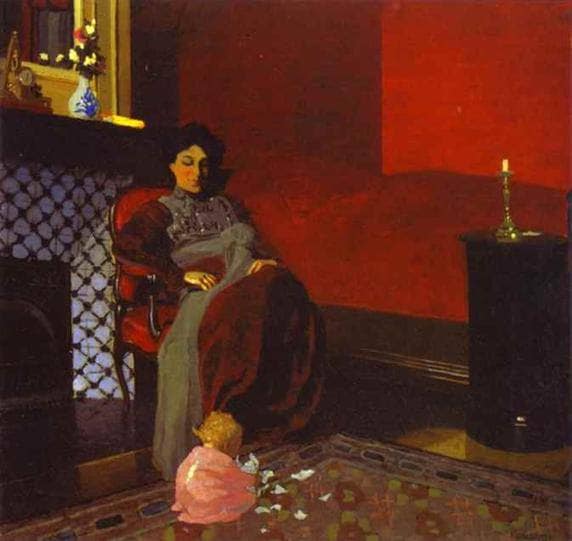
Interior Red Room with Woman and Child
Exploring the Emotional Depth of Felix Vallotton's Interior Red Room with Woman and Child
Artistic Context: The Symbolism of Color in Vallotton's Work
The Significance of Red in Interior Spaces
Felix Vallotton's "Interior Red Room with Woman and Child" is a striking example of how color can evoke emotion. The dominant red hue envelops the scene, creating a warm and intimate atmosphere. Red often symbolizes passion, love, and comfort, making it a fitting choice for a depiction of motherhood. This vibrant color draws viewers into the intimate world of the figures, inviting them to explore the emotional connections within the space.Vallotton's Unique Use of Light and Shadow
Vallotton masterfully employs light and shadow to enhance the emotional depth of the painting. The soft, diffused light illuminates the figures, highlighting their expressions and gestures. This technique creates a sense of warmth and safety, contrasting with the bold red background. Vallotton's ability to manipulate light adds a layer of complexity, allowing viewers to feel the tenderness shared between the woman and child.Composition Analysis: The Relationship Between Figures and Space
Understanding the Placement of Woman and Child
In "Interior Red Room with Woman and Child," the placement of the figures is deliberate and meaningful. The woman sits closely with the child, emphasizing their bond. This close proximity suggests a protective and nurturing relationship. Vallotton's composition invites viewers to focus on their interaction, making the emotional connection palpable.Spatial Dynamics: The Interaction of Figures with Their Environment
The spatial dynamics in this painting are intriguing. The figures occupy a well-defined space within the red room, yet they seem to transcend it. Vallotton's use of perspective creates a sense of depth, allowing viewers to feel as if they are part of the scene. The surrounding elements, such as the furniture and decor, enhance the narrative, grounding the figures in a relatable domestic setting.Character Study: The Woman and Child in Vallotton's Narrative
Emotional Expressions: Capturing Tenderness and Intimacy
The emotional expressions of the woman and child are central to Vallotton's narrative. The woman's gentle gaze and the child's innocent demeanor convey a profound sense of tenderness. This intimate portrayal captures the essence of motherhood, showcasing the deep emotional bond that exists between them. Vallotton's ability to depict such raw emotion resonates with viewers, evoking feelings of nostalgia and warmth.Symbolic Representation of Motherhood and Childhood
In this artwork, Vallotton symbolizes the themes of motherhood and childhood through the figures' interactions. The woman embodies nurturing and care, while the child represents innocence and vulnerability. This duality highlights the beauty and complexity of familial relationships. Vallotton's portrayal serves as a timeless reminder of the joys and challenges of motherhood.Technique and Style: Vallotton's Distinctive Approach to Oil Painting
Brushwork and Texture: Creating Depth and Dimension
Vallotton's technique in "Interior Red Room with Woman and Child" showcases his distinctive brushwork and texture. He employs thick, expressive strokes that add depth and dimension to the figures. This technique creates a tactile quality, inviting viewers to engage with the painting on a sensory level. The rich textures enhance the overall visual experience, making the artwork feel alive.Influences of Post-Impressionism on Vallotton's Technique
Vallotton's style reflects the influences of Post-Impressionism, characterized by bold colors and emotional depth. His approach diverges from traditional realism, focusing instead on the emotional resonance of the scene. This artistic choice allows Vallotton to convey complex feelings through simplified forms and vibrant colors, making his work both accessible and profound.Historical Significance: Vallotton's Place in Art History
The Role of Vallotton in the Nabis Movement
Felix Vallotton was a prominent figure in the Nabis movement, which sought to explore the emotional and symbolic aspects of art. This group of artists emphasized color and form over realistic representation. Vallotton's contributions to this movement helped shape modern art, as he bridged the gap between traditional techniques and contemporary expressions.Impact on Modern Art: Bridging Traditional and Contemporary Styles
Vallotton's work, including "Interior Red Room with Woman and Child," has had a lasting impact on modern art. His innovative use of color and composition influenced future generations of artists. By blending traditional oil painting techniques with modern themes, Vallotton created a unique style that continues to resonate with audiences today.Personal Interpretation: What the Painting Means to Viewers
First-Hand Experiences: Emotional Reactions to the Artwork
Viewers often report strong emotional reactions to Vallotton's painting. The warmth of the red room and the intimate connection between the figures evoke feelings of nostalgia and comfort. Many find themselves reflecting on their own experiences of motherhood and childhood, making the artwork deeply personal and relatable.Viewer Perspectives: How Different Audiences Relate to the Scene
Different audiences interpret "Interior Red Room with Woman and Child" in various ways. Parents may see a reflection of their own relationships, while art enthusiasts appreciate Vallotton's technique and emotional depth. This diversity of perspectives enriches the viewing experience, allowing the painting to resonate across generations and cultures.FAQs About Interior Red Room with Woman and Child
What is the story behind Interior Red Room with Woman and Child?
The painting captures a tender moment between a mother and her child, set against a vibrant red backdrop. It reflects Vallotton's exploration of familial bonds and emotional intimacy.How does Vallotton's use of color affect the mood of the painting?
Vallotton's use of red creates a warm and inviting atmosphere, enhancing the emotional connection between the figures and evoking feelings of love and safety.What techniques did Vallotton use to create the figures in the painting?
Vallotton employed expressive brushwork and a focus on light and shadow to bring the figures to life, creating a sense of depth and emotional resonance.In what ways does this painting reflect the themes of motherhood?
The close interaction between the woman and child symbolizes the nurturing aspects of motherhood, highlighting the emotional bond and intimacy shared between them.How does this artwork compare to other works by Vallotton?
"Interior Red Room with Woman and Child" stands out for its emotional depth and vibrant color palette, showcasing Vallotton's unique ability to blend technique with narrative.What should I know about the reproduction of this painting?
Art reproductions of Vallotton's work offer a superior alternative to prints. They capture the texture and depth of the original oil painting, allowing you to appreciate the artwork in its full glory.Are there different styles of reproductions available for this artwork?
Yes, various styles of reproductions are available, including canvas and framed options. Each reproduction aims to reflect the original's vibrancy and emotional impact, making it a perfect addition to any art collection.Select Size
From $74.98
Original: $249.95
-70%Interior Red Room with Woman and Child—
$249.95
$74.98Product Information
Product Information
Shipping & Returns
Shipping & Returns