🚚 Free Worldwide Shipping on All Orders!Shop Now

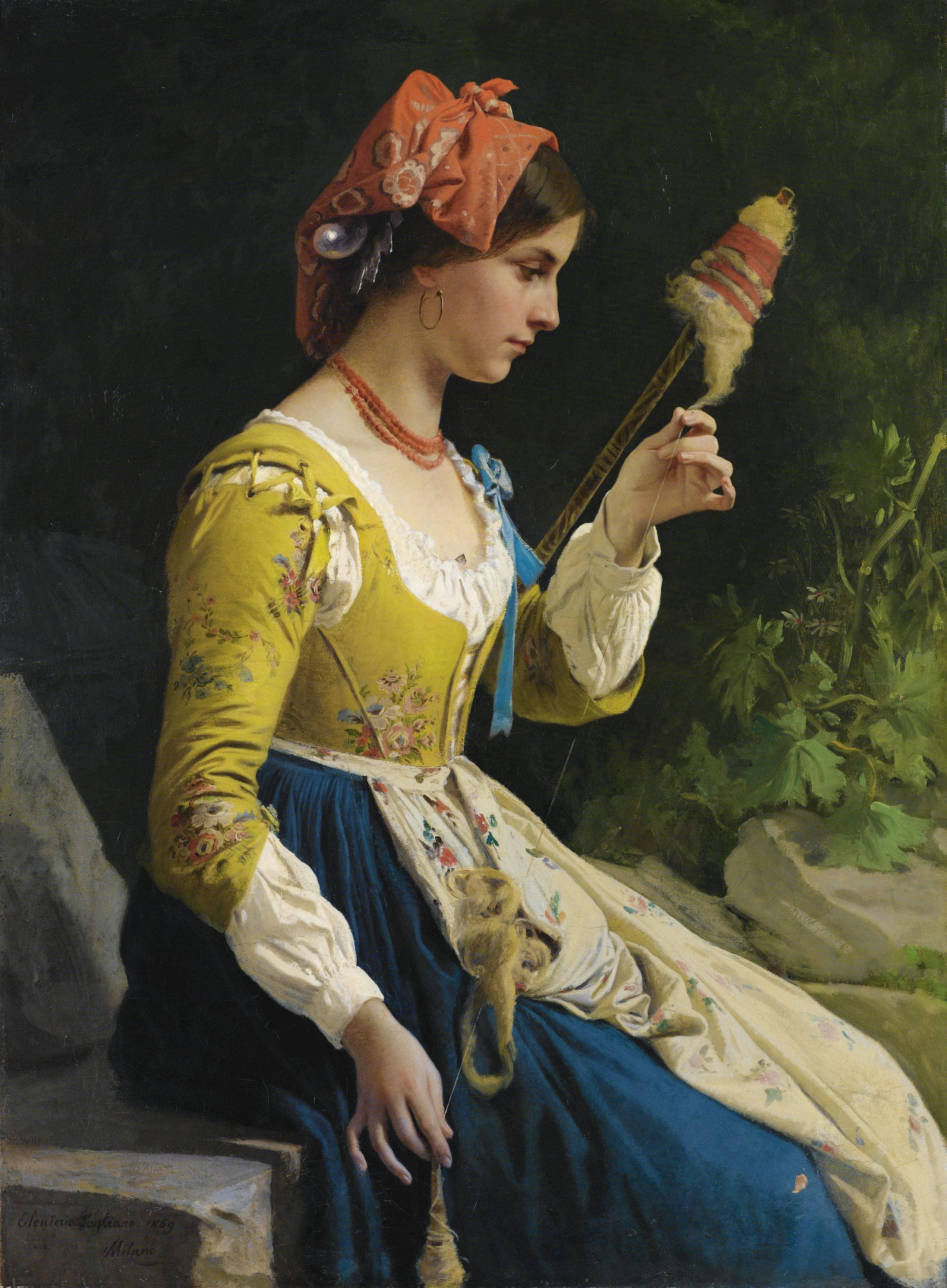
The spinner
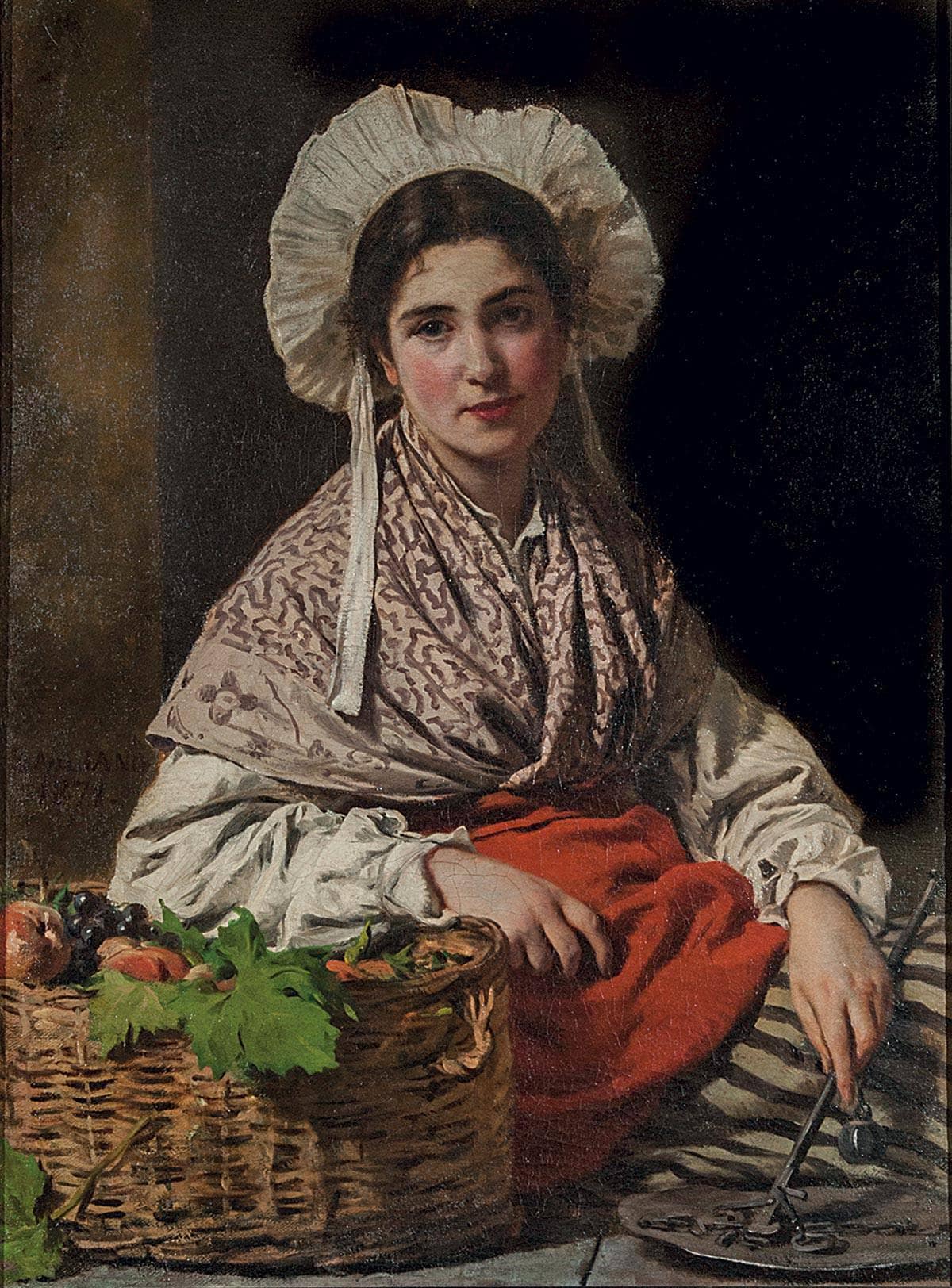
The Spinner: A Masterpiece by Eleuterio Pagliano
Exploring the Artistic Vision Behind The Spinner
Eleuterio Pagliano: A Brief Biography of the Artist
Eleuterio Pagliano, born in 1830 in the vibrant city of Milan, was a prominent figure in 19th-century Italian art. He trained under the renowned artist Francesco Hayez, who greatly influenced his early style. Pagliano's work often reflects the rich cultural heritage of Italy, blending realism with romanticism. His dedication to capturing everyday life and the human experience set him apart from his contemporaries.Artistic Influences and Techniques in The Spinner
In "The Spinner," Pagliano employs a unique blend of techniques that showcase his mastery of oil painting. He draws inspiration from the Italian Renaissance, particularly in his attention to detail and composition. The use of chiaroscuro, a technique that contrasts light and dark, adds depth to the scene. Pagliano's brushwork is both delicate and expressive, allowing him to convey the texture of the spinning wheel and the fabric of the woman's clothing.The Role of Light and Shadow in Pagliano's Work
Light and shadow play a crucial role in "The Spinner." Pagliano skillfully uses natural light to illuminate the figure of the spinner, creating a focal point that draws the viewer's eye. The soft shadows enhance the three-dimensionality of the painting, making the scene feel alive. This interplay of light and shadow not only highlights the subject but also evokes a sense of warmth and intimacy.Symbolism and Themes in The Spinner
The Significance of Spinning in 19th Century Art
Spinning was a common theme in 19th-century art, symbolizing domesticity and the role of women in society. In "The Spinner," the act of spinning represents the connection between women and traditional crafts. It reflects the importance of textile production in Italian culture and the value placed on handmade goods during this period.Gender Roles and Domestic Life Depicted in The Spinner
Pagliano's portrayal of the female figure in "The Spinner" highlights the gender roles of the time. The woman is depicted in a moment of quiet concentration, embodying the virtues of patience and diligence. This representation challenges the viewer to consider the often-overlooked contributions of women to family and society, emphasizing their strength and resilience.Color Palette: The Emotional Impact of Hues in The Spinner
The color palette in "The Spinner" is rich and evocative. Pagliano uses warm earth tones, such as ochres and browns, to create a sense of comfort and familiarity. The subtle blues and greens in the background add depth and contrast, enhancing the emotional impact of the scene. This thoughtful use of color invites viewers to connect with the subject on a deeper level.The Historical Context of The Spinner
19th Century Italian Art Movements: A Closer Look
"The Spinner" emerged during a time of significant change in Italy. The 19th century saw the rise of movements such as Romanticism and Realism, which sought to depict everyday life and emotions. Pagliano's work embodies these movements, capturing the essence of Italian culture and the human experience.How The Spinner Reflects Societal Changes of Its Time
As Italy underwent political and social transformations, "The Spinner" reflects the evolving role of women in society. The painting serves as a commentary on the importance of women's work in the home and the economy. It highlights the shift towards recognizing women's contributions beyond traditional domestic roles.Comparative Analysis: The Spinner and Contemporary Works
When compared to contemporary works, "The Spinner" stands out for its focus on realism and emotional depth. While many artists of the time explored grand historical themes, Pagliano chose to depict a simple yet profound moment in daily life. This approach resonates with modern audiences who appreciate authenticity and relatability in art.Visual Analysis of The Spinner
Composition and Perspective: A Study of Arrangement
The composition of "The Spinner" is carefully arranged to guide the viewer's eye. The central figure is framed by the spinning wheel and the surrounding environment, creating a harmonious balance. Pagliano's use of perspective draws the viewer into the scene, making them feel as if they are part of the moment.Textural Elements: The Use of Brushwork in The Spinner
Pagliano's brushwork in "The Spinner" is both meticulous and expressive. He captures the softness of the woman's clothing and the rough texture of the spinning wheel with remarkable skill. This attention to texture adds a tactile quality to the painting, inviting viewers to appreciate the details.Figures and Expressions: Capturing Emotion in The Spinner
The figure in "The Spinner" is portrayed with a serene expression, reflecting her focus and dedication. Pagliano masterfully captures the subtleties of human emotion, allowing viewers to connect with the subject on a personal level. This emotional depth is a hallmark of Pagliano's work, making "The Spinner" a timeless piece.The Legacy of The Spinner in Art History
Influence on Future Generations of Artists
"The Spinner" has left a lasting impact on future generations of artists. Pagliano's emphasis on realism and the portrayal of everyday life inspired many to explore similar themes. His work continues to be studied and admired for its technical skill and emotional resonance.Exhibitions and Collections Featuring The Spinner
Today, "The Spinner" is housed in prestigious collections and has been featured in numerous exhibitions. Art enthusiasts can appreciate this masterpiece in various galleries, where it is celebrated for its historical significance and artistic merit.Critical Reception: How The Spinner Was Initially Viewed
Upon its release, "The Spinner" received critical acclaim for its innovative approach to subject matter and technique. Critics praised Pagliano for his ability to capture the essence of domestic life with such beauty and grace. This positive reception solidified his reputation as a leading artist of his time.Frequently Asked Questions About The Spinner
What is the story behind The Spinner by Eleuterio Pagliano?
"The Spinner" tells the story of a woman engaged in the traditional craft of spinning, symbolizing the importance of domestic life in 19th-century Italy. It reflects the cultural values and societal roles of women during this period.What techniques did Pagliano use in The Spinner?
Pagliano used oil painting techniques, including chiaroscuro and detailed brushwork, to create depth and texture. His mastery of light and shadow enhances the emotional impact of the scene.How does The Spinner compare to other works by Pagliano?
Compared to other works by Pagliano, "The Spinner" stands out for its focus on everyday life and the emotional depth of its subject. It showcases his ability to blend realism with a romantic touch.What are the main themes explored in The Spinner?
The main themes in "The Spinner" include gender roles, domestic life, and the significance of traditional crafts. The painting invites viewers to reflect on the contributions of women in society.Where can I see The Spinner displayed today?
"The Spinner" is displayed in various art galleries and museums. Art lovers can check local exhibitions or major art institutions to view this remarkable piece.FAQs About The Spinner Oil Painting Reproduction
What should I consider when purchasing a reproduction of The Spinner?
When purchasing a reproduction of "The Spinner," consider the quality of materials used, the level of detail, and the artist's technique. A high-quality oil painting reproduction will capture the essence of the original artwork.How can I ensure the quality of a reproduction of The Spinner?
To ensure quality, look for reproductions created by skilled artists who specialize in oil painting. Check for reviews and testimonials from previous buyers to gauge the quality of the reproduction.Are there different styles of reproductions available for The Spinner?
Yes, there are various styles of reproductions available for "The Spinner." You can find traditional oil painting reproductions that closely mimic the original, as well as modern interpretations that offer a unique twist on Pagliano's masterpiece.Select Size
From $89.98
Original: $299.95
-70%The spinner—
$299.95
$89.98Product Information
Product Information
Shipping & Returns
Shipping & Returns