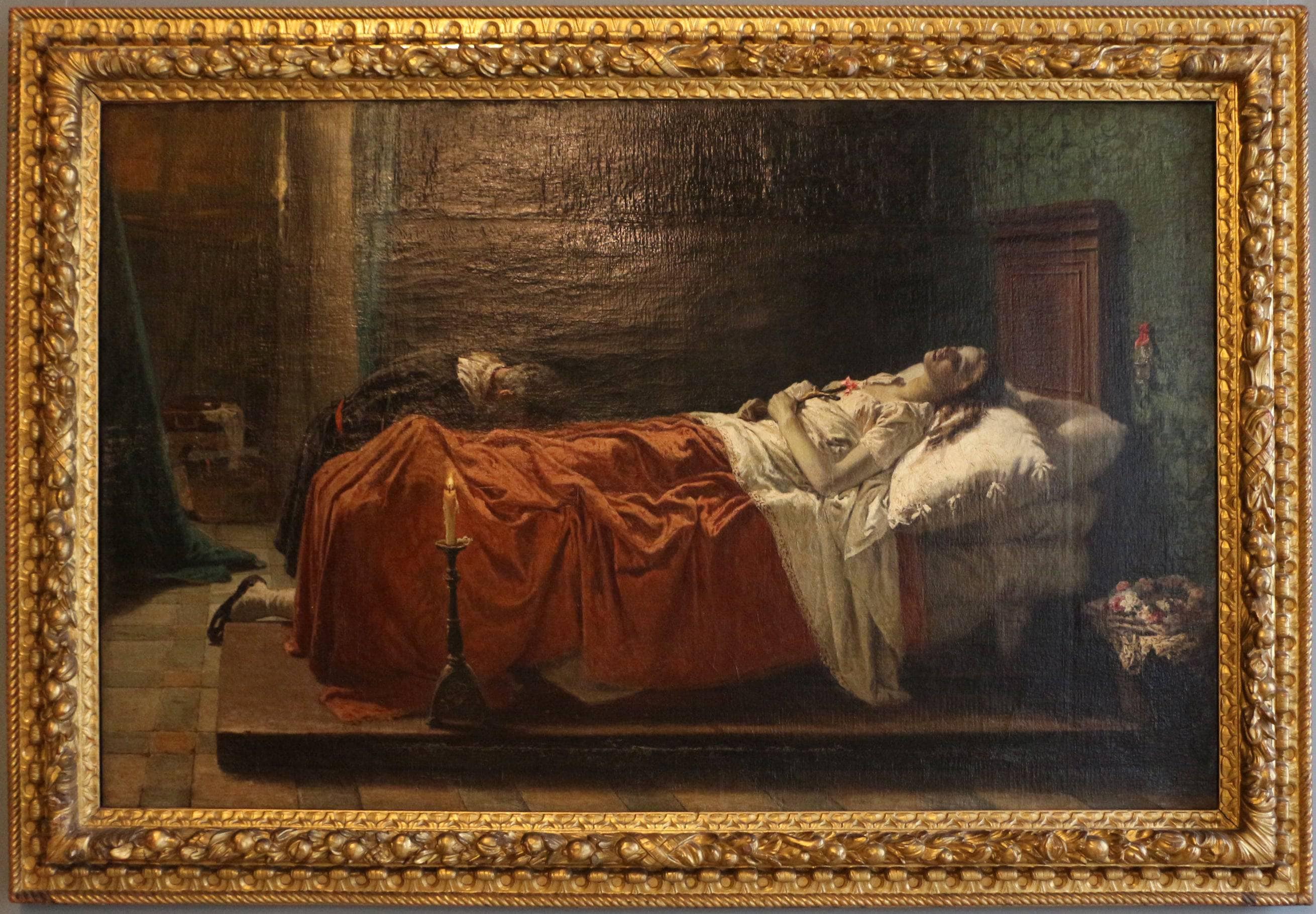
The death of Tintoretto's daughter
The Tragic Narrative of Tintoretto's Daughter: A Deep Dive into Eleuterio Pagliano's Masterpiece
Understanding the Historical Context of Tintoretto's Life and Legacy
The Influence of Venetian Art in the 16th Century
The 16th century marked a golden age for Venetian art, characterized by vibrant colors and dramatic compositions. Artists like Tintoretto, Titian, and Veronese shaped this era, blending realism with emotional depth. Their works often reflected the rich cultural tapestry of Venice, a city thriving on trade and artistic innovation.
Tintoretto: The Man Behind the Brush
Jacopo Robusti, known as Tintoretto, was a master painter born in 1518. He earned the nickname "Il Furioso" for his energetic brushwork and dynamic compositions. Tintoretto's unique style combined the grandeur of the Renaissance with the emotional intensity of Mannerism, making him a pivotal figure in art history.
Family Ties: The Relationship Between Tintoretto and His Daughter
Tintoretto's daughter, Marietta, was not only his child but also his muse. Their close bond influenced his work, and her untimely death deeply affected him. This personal tragedy inspired the poignant painting "The Death of Tintoretto's Daughter," capturing the raw emotions of grief and loss.
Eleuterio Pagliano: The Artist Behind the Reproduction
Pagliano's Artistic Journey and Style
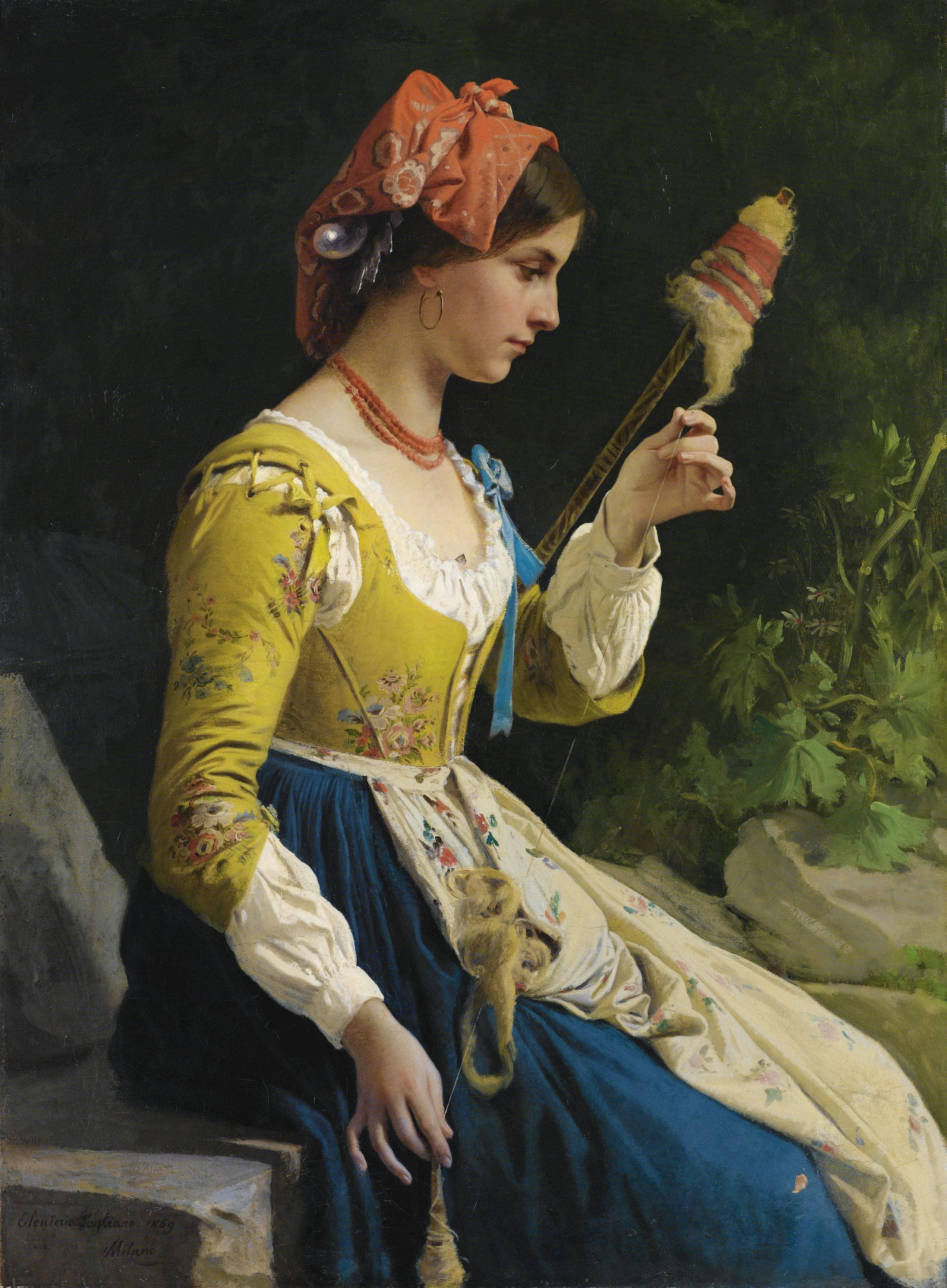
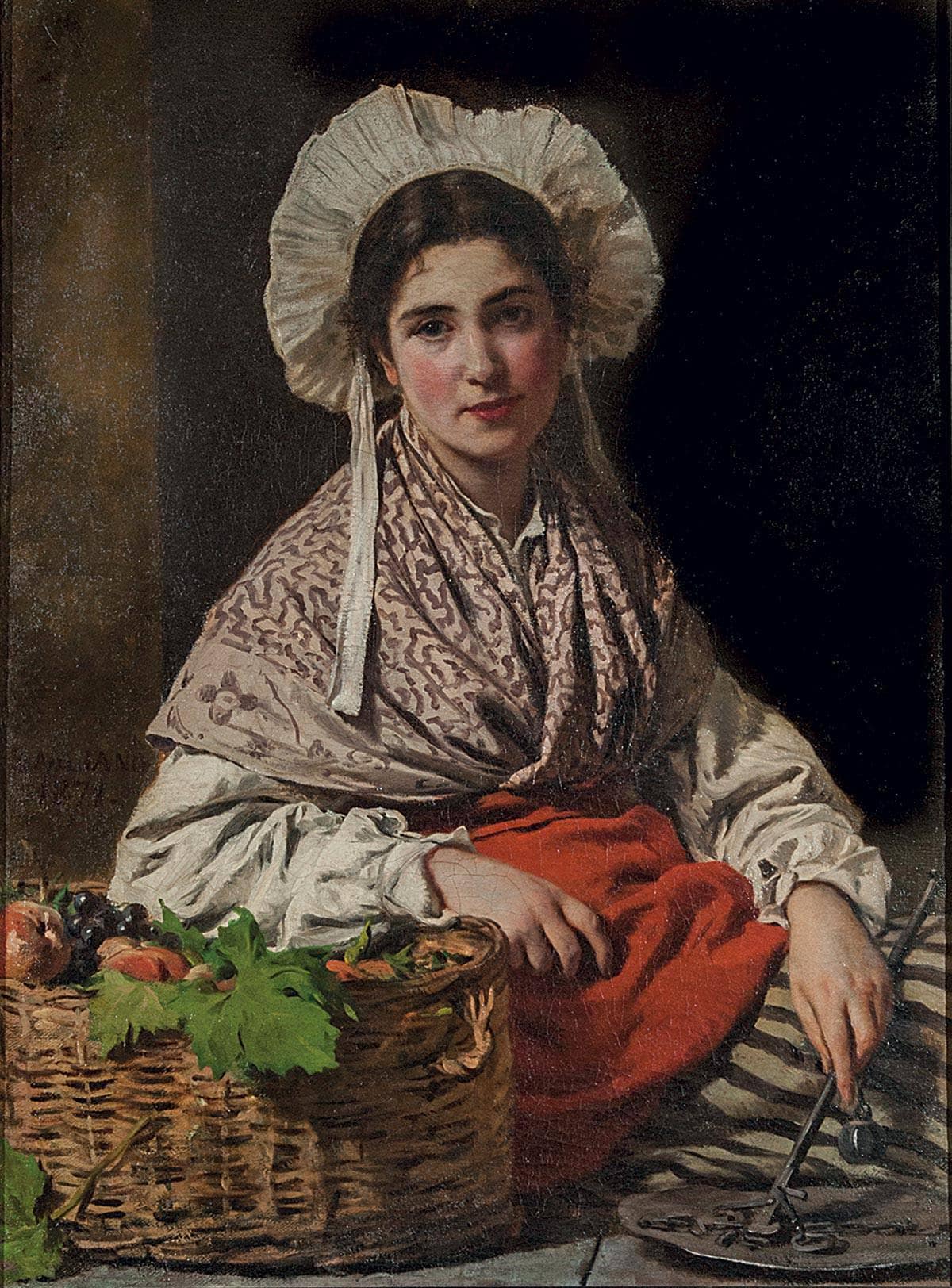
Eleuterio Pagliano, an Italian painter from the 19th century, was known for his historical and religious themes. His dedication to capturing the essence of earlier masters set him apart. Pagliano's works often reflect a deep understanding of color and form, making him a respected figure in art reproduction.
How Pagliano Captured the Essence of Tintoretto's Work
Pagliano meticulously studied Tintoretto's techniques, focusing on the emotional weight of the original painting. He employed similar color palettes and dramatic lighting to evoke the same feelings of sorrow and reflection. His reproduction stands as a testament to his skill and reverence for Tintoretto's legacy.
Comparative Analysis: Pagliano's Techniques vs. Tintoretto's Original Style
While Tintoretto's original work features bold brushstrokes and a dynamic composition, Pagliano's reproduction emphasizes clarity and detail. Pagliano's use of layering and glazing techniques enhances the depth of the painting, allowing viewers to appreciate the emotional nuances that Tintoretto originally intended.
The Emotional Depth of "The Death of Tintoretto's Daughter"
Symbolism and Themes: Grief, Loss, and Legacy
This painting encapsulates profound themes of grief and loss. The somber expressions and dark color palette symbolize the heavy burden of mourning. The artwork serves as a poignant reminder of the fragility of life and the enduring impact of personal loss on legacy.
Color Palette and Composition: Analyzing the Artistic Choices
Tintoretto's use of deep blues and muted earth tones creates a somber atmosphere. The composition draws the viewer's eye to the central figure of Marietta, surrounded by mourners. This arrangement emphasizes the emotional weight of the scene, inviting viewers to reflect on their own experiences of loss.
Facial Expressions and Body Language: Conveying Emotion Through Art
The characters in the painting exhibit a range of emotions through their facial expressions and body language. The sorrowful faces and slumped postures convey a deep sense of mourning. This attention to detail allows viewers to connect with the emotional narrative on a personal level.
Artistic Techniques and Materials Used in the Original Painting
Oil Painting Techniques: Layering and Glazing Explained
Tintoretto employed oil painting techniques such as layering and glazing to achieve depth and luminosity. These methods allowed him to build rich textures and create a sense of movement within the composition. The result is a painting that feels alive and emotionally charged.
Brushwork and Texture: Creating Depth and Realism
The brushwork in "The Death of Tintoretto's Daughter" is both expressive and precise. Tintoretto's ability to manipulate texture adds realism to the figures, making them appear almost three-dimensional. This technique enhances the viewer's emotional engagement with the scene.
Historical Materials: What Was Used in the 19th Century?
In the 19th century, artists like Pagliano used high-quality oils and canvas to create their works. The materials available at the time allowed for vibrant colors and lasting durability. Pagliano's choice of materials reflects his commitment to producing a reproduction that honors Tintoretto's original masterpiece.
The Cultural Impact of "The Death of Tintoretto's Daughter"
Reception and Critique: How the Painting Was Initially Received
Influence on Contemporary Artists and Art Movements
This painting has influenced numerous contemporary artists who explore themes of mortality and memory. Its emotional resonance continues to inspire new interpretations and artistic expressions, bridging the gap between past and present in the art world.
Exhibitions and Collections: Where to See the Original Today
The original painting is housed in prestigious collections, including the Museo di Palazzo Venezia in Rome. Art enthusiasts can view this masterpiece in person, experiencing its emotional impact firsthand. Various exhibitions also showcase the work, allowing for broader appreciation.
Exploring the Themes of Mortality and Memory in Art
How Death is Portrayed in Renaissance Art
Renaissance art often grapples with themes of mortality, reflecting societal views on life and death. Artists like Tintoretto used their work to explore the human condition, inviting viewers to confront their own mortality through powerful imagery.
The Role of Women in Tintoretto's Works
Women in Tintoretto's paintings often embody complex emotions and narratives. His portrayal of female figures, especially in "The Death of Tintoretto's Daughter," highlights their significance in both personal and collective stories of grief and resilience.
Art as a Reflection of Personal and Collective Grief
Art serves as a powerful medium for expressing grief. Tintoretto's work resonates with anyone who has experienced loss, making it a timeless reflection of human emotion. The painting invites viewers to engage with their own feelings of sorrow and remembrance.
FAQs About "The Death of Tintoretto's Daughter"
What is the story behind "The Death of Tintoretto's Daughter"?
This painting depicts the tragic moment of Tintoretto's daughter Marietta's death, capturing the profound grief of her father and mourners. It reflects the deep emotional bond between them and the impact of her loss on his life and work.
What emotions does the painting evoke in viewers?
Viewers often feel a deep sense of sorrow and empathy when observing the painting. The expressions and body language of the figures convey a universal experience of loss, prompting personal reflections on grief.
How does this painting compare to other works by Tintoretto?
Compared to other works by Tintoretto, this painting is more intimate and personal. While many of his pieces showcase grand historical or religious themes, this work focuses on a singular, poignant moment of personal tragedy.
What techniques did Pagliano use to reproduce this painting?
Pagliano used traditional oil painting techniques, including layering and glazing, to replicate the depth and emotion of the original. His attention to detail and color accuracy ensures that the reproduction captures the essence of Tintoretto's work.
Is "The Death of Tintoretto's Daughter" part of any major art collections?
Yes, the original painting is part of significant art collections, including the Museo di Palazzo Venezia. It is often featured in exhibitions that celebrate Renaissance art and its emotional depth.
What are the main themes explored in this painting?
The main themes include grief, loss, and the enduring impact of personal tragedy. The painting serves as a reflection on mortality and the emotional connections that define human experiences.
How can I appreciate the details in the reproduction of this artwork?
To appreciate the details in the reproduction, take time to observe the brushwork, color choices, and emotional expressions. Consider the historical context and the techniques used by Pagliano to understand the depth of the artwork fully.
Original: $299.95
-70%$299.95
$89.98Product Information
Product Information
Shipping & Returns
Shipping & Returns
Description
The Tragic Narrative of Tintoretto's Daughter: A Deep Dive into Eleuterio Pagliano's Masterpiece
Understanding the Historical Context of Tintoretto's Life and Legacy
The Influence of Venetian Art in the 16th Century
The 16th century marked a golden age for Venetian art, characterized by vibrant colors and dramatic compositions. Artists like Tintoretto, Titian, and Veronese shaped this era, blending realism with emotional depth. Their works often reflected the rich cultural tapestry of Venice, a city thriving on trade and artistic innovation.
Tintoretto: The Man Behind the Brush
Jacopo Robusti, known as Tintoretto, was a master painter born in 1518. He earned the nickname "Il Furioso" for his energetic brushwork and dynamic compositions. Tintoretto's unique style combined the grandeur of the Renaissance with the emotional intensity of Mannerism, making him a pivotal figure in art history.
Family Ties: The Relationship Between Tintoretto and His Daughter
Tintoretto's daughter, Marietta, was not only his child but also his muse. Their close bond influenced his work, and her untimely death deeply affected him. This personal tragedy inspired the poignant painting "The Death of Tintoretto's Daughter," capturing the raw emotions of grief and loss.
Eleuterio Pagliano: The Artist Behind the Reproduction
Pagliano's Artistic Journey and Style
Eleuterio Pagliano, an Italian painter from the 19th century, was known for his historical and religious themes. His dedication to capturing the essence of earlier masters set him apart. Pagliano's works often reflect a deep understanding of color and form, making him a respected figure in art reproduction.
How Pagliano Captured the Essence of Tintoretto's Work
Pagliano meticulously studied Tintoretto's techniques, focusing on the emotional weight of the original painting. He employed similar color palettes and dramatic lighting to evoke the same feelings of sorrow and reflection. His reproduction stands as a testament to his skill and reverence for Tintoretto's legacy.
Comparative Analysis: Pagliano's Techniques vs. Tintoretto's Original Style
While Tintoretto's original work features bold brushstrokes and a dynamic composition, Pagliano's reproduction emphasizes clarity and detail. Pagliano's use of layering and glazing techniques enhances the depth of the painting, allowing viewers to appreciate the emotional nuances that Tintoretto originally intended.
The Emotional Depth of "The Death of Tintoretto's Daughter"
Symbolism and Themes: Grief, Loss, and Legacy
This painting encapsulates profound themes of grief and loss. The somber expressions and dark color palette symbolize the heavy burden of mourning. The artwork serves as a poignant reminder of the fragility of life and the enduring impact of personal loss on legacy.
Color Palette and Composition: Analyzing the Artistic Choices
Tintoretto's use of deep blues and muted earth tones creates a somber atmosphere. The composition draws the viewer's eye to the central figure of Marietta, surrounded by mourners. This arrangement emphasizes the emotional weight of the scene, inviting viewers to reflect on their own experiences of loss.
Facial Expressions and Body Language: Conveying Emotion Through Art
The characters in the painting exhibit a range of emotions through their facial expressions and body language. The sorrowful faces and slumped postures convey a deep sense of mourning. This attention to detail allows viewers to connect with the emotional narrative on a personal level.
Artistic Techniques and Materials Used in the Original Painting
Oil Painting Techniques: Layering and Glazing Explained
Tintoretto employed oil painting techniques such as layering and glazing to achieve depth and luminosity. These methods allowed him to build rich textures and create a sense of movement within the composition. The result is a painting that feels alive and emotionally charged.
Brushwork and Texture: Creating Depth and Realism
The brushwork in "The Death of Tintoretto's Daughter" is both expressive and precise. Tintoretto's ability to manipulate texture adds realism to the figures, making them appear almost three-dimensional. This technique enhances the viewer's emotional engagement with the scene.
Historical Materials: What Was Used in the 19th Century?
In the 19th century, artists like Pagliano used high-quality oils and canvas to create their works. The materials available at the time allowed for vibrant colors and lasting durability. Pagliano's choice of materials reflects his commitment to producing a reproduction that honors Tintoretto's original masterpiece.
The Cultural Impact of "The Death of Tintoretto's Daughter"
Reception and Critique: How the Painting Was Initially Received
Influence on Contemporary Artists and Art Movements
This painting has influenced numerous contemporary artists who explore themes of mortality and memory. Its emotional resonance continues to inspire new interpretations and artistic expressions, bridging the gap between past and present in the art world.
Exhibitions and Collections: Where to See the Original Today
The original painting is housed in prestigious collections, including the Museo di Palazzo Venezia in Rome. Art enthusiasts can view this masterpiece in person, experiencing its emotional impact firsthand. Various exhibitions also showcase the work, allowing for broader appreciation.
Exploring the Themes of Mortality and Memory in Art
How Death is Portrayed in Renaissance Art
Renaissance art often grapples with themes of mortality, reflecting societal views on life and death. Artists like Tintoretto used their work to explore the human condition, inviting viewers to confront their own mortality through powerful imagery.
The Role of Women in Tintoretto's Works
Women in Tintoretto's paintings often embody complex emotions and narratives. His portrayal of female figures, especially in "The Death of Tintoretto's Daughter," highlights their significance in both personal and collective stories of grief and resilience.
Art as a Reflection of Personal and Collective Grief
Art serves as a powerful medium for expressing grief. Tintoretto's work resonates with anyone who has experienced loss, making it a timeless reflection of human emotion. The painting invites viewers to engage with their own feelings of sorrow and remembrance.
FAQs About "The Death of Tintoretto's Daughter"
What is the story behind "The Death of Tintoretto's Daughter"?
This painting depicts the tragic moment of Tintoretto's daughter Marietta's death, capturing the profound grief of her father and mourners. It reflects the deep emotional bond between them and the impact of her loss on his life and work.
What emotions does the painting evoke in viewers?
Viewers often feel a deep sense of sorrow and empathy when observing the painting. The expressions and body language of the figures convey a universal experience of loss, prompting personal reflections on grief.
How does this painting compare to other works by Tintoretto?
Compared to other works by Tintoretto, this painting is more intimate and personal. While many of his pieces showcase grand historical or religious themes, this work focuses on a singular, poignant moment of personal tragedy.
What techniques did Pagliano use to reproduce this painting?
Pagliano used traditional oil painting techniques, including layering and glazing, to replicate the depth and emotion of the original. His attention to detail and color accuracy ensures that the reproduction captures the essence of Tintoretto's work.
Is "The Death of Tintoretto's Daughter" part of any major art collections?
Yes, the original painting is part of significant art collections, including the Museo di Palazzo Venezia. It is often featured in exhibitions that celebrate Renaissance art and its emotional depth.
What are the main themes explored in this painting?
The main themes include grief, loss, and the enduring impact of personal tragedy. The painting serves as a reflection on mortality and the emotional connections that define human experiences.
How can I appreciate the details in the reproduction of this artwork?
To appreciate the details in the reproduction, take time to observe the brushwork, color choices, and emotional expressions. Consider the historical context and the techniques used by Pagliano to understand the depth of the artwork fully.