🚚 Free Worldwide Shipping on All Orders!Shop Now

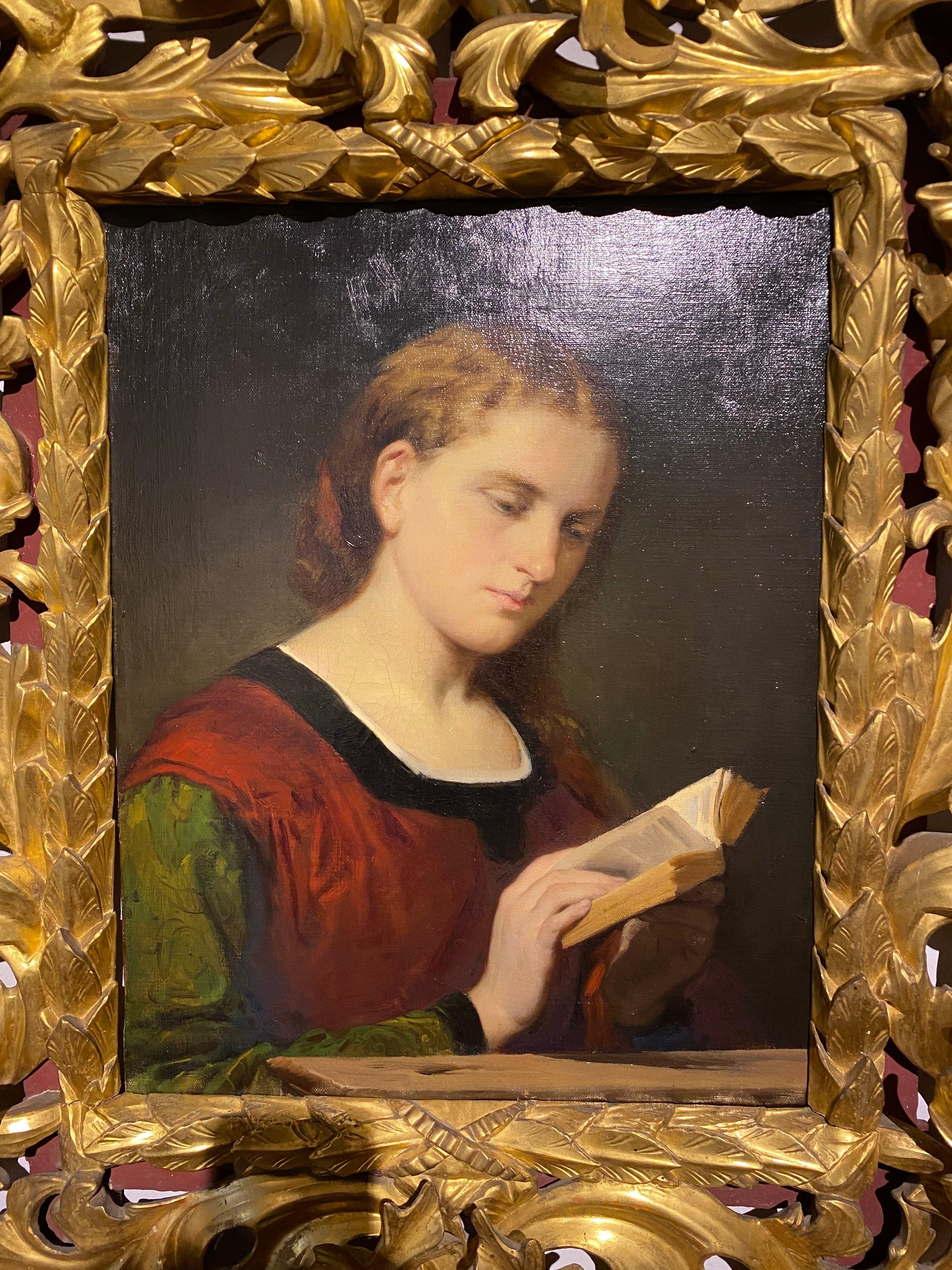
The prayer book
The Prayer Book: A Masterpiece by Eleuterio Pagliano
Exploring the Artistic Vision of Eleuterio Pagliano
Biographical Insights into Pagliano's Life and Work
Eleuterio Pagliano, born in 1816 in the vibrant city of Milan, was a prominent figure in 19th-century Italian art. His journey began in a family of artists, which deeply influenced his creative path. Pagliano's dedication to capturing the human experience through oil painting led him to explore themes of spirituality and emotion, making his works resonate with viewers. His artistic career flourished as he became known for his ability to blend realism with romanticism, creating a unique style that set him apart from his contemporaries.Influences and Artistic Movements Shaping His Style
Pagliano was influenced by the Romantic movement, which emphasized emotion and individualism. He drew inspiration from the works of masters like Caravaggio and Raphael, incorporating their techniques into his own. The interplay of light and shadow, known as chiaroscuro, became a hallmark of his style. Additionally, the burgeoning realism of the time encouraged him to depict everyday life with a spiritual undertone, making his art both relatable and profound.Unveiling the Symbolism in The Prayer Book
Religious Themes and Spiritual Significance
The Prayer Book is rich with religious symbolism, reflecting Pagliano's deep spiritual beliefs. The painting portrays a serene figure engrossed in prayer, symbolizing devotion and the quest for divine connection. This theme resonates with viewers, inviting them to reflect on their own spiritual journeys. The book itself serves as a metaphor for knowledge and faith, bridging the gap between the earthly and the divine.Color Palette and Its Emotional Impact
Pagliano's choice of colors in The Prayer Book evokes a sense of tranquility and reverence. Soft earth tones dominate the canvas, creating a warm and inviting atmosphere. The subtle use of blues and greens enhances the spiritual ambiance, while the gentle contrasts draw the viewer's eye to the central figure. This thoughtful color palette not only captures the essence of the moment but also elicits an emotional response, encouraging contemplation.Composition and Perspective: A Closer Look
The composition of The Prayer Book is masterfully arranged, guiding the viewer's gaze toward the focal point—the praying figure. Pagliano employs a balanced perspective, creating depth and inviting the audience into the scene. The careful placement of elements within the painting enhances its narrative quality, allowing viewers to feel as if they are part of the intimate moment being depicted.The Cultural Context of The Prayer Book
Historical Background of the 19th Century Art Scene
The 19th century was a transformative period for art, marked by the rise of various movements such as Romanticism and Realism. Artists sought to break free from traditional constraints, exploring new themes and techniques. Pagliano's work emerged during this dynamic time, reflecting the cultural shifts and the growing interest in individual expression and spirituality.Pagliano's Role in Italian Art and Society
As a key figure in the Italian art scene, Pagliano contributed significantly to the cultural landscape of his time. He was not only an artist but also an educator, sharing his knowledge with aspiring painters. His works, including The Prayer Book, played a vital role in shaping the narrative of Italian art, bridging the gap between classical traditions and modern interpretations.Comparative Analysis with Contemporary Artists
When compared to his contemporaries, Pagliano's approach to spirituality and emotion stands out. While artists like Giovanni Boldini focused on portraiture and glamour, Pagliano delved into the inner world of his subjects. His ability to convey deep emotional resonance through simple yet profound themes sets him apart, making his work timeless and relevant.Technical Mastery: Techniques Used in The Prayer Book
Brushwork and Texture: A Study of Pagliano's Technique
Pagliano's brushwork in The Prayer Book showcases his technical prowess. He employs a variety of strokes to create texture, from soft blends to bold, expressive lines. This dynamic brushwork adds depth to the painting, making the fabric of the figure's clothing appear lifelike and inviting.Use of Light and Shadow: Chiaroscuro in The Prayer Book
The use of chiaroscuro in The Prayer Book is particularly striking. Pagliano skillfully manipulates light and shadow to create a three-dimensional effect. The gentle illumination of the figure's face contrasts beautifully with the darker background, emphasizing the spiritual focus of the scene. This technique not only enhances the visual appeal but also deepens the emotional impact.Materials and Methods: Insights into Oil Painting
Pagliano utilized traditional oil painting methods, which allowed him to achieve rich colors and intricate details. His choice of high-quality pigments ensured the longevity of his work. The layering technique he employed added depth and luminosity, making The Prayer Book a stunning example of 19th-century oil painting.The Prayer Book in Modern Art Discourse
Critical Reception and Art Historical Significance
The Prayer Book has garnered critical acclaim for its emotional depth and technical skill. Art historians recognize it as a significant contribution to the narrative of 19th-century Italian art. Its exploration of spirituality resonates with audiences today, making it a relevant piece in contemporary discussions about art and faith.Influence on Modern Artists and Art Movements
Pagliano's work has influenced modern artists who seek to explore themes of spirituality and human emotion. His ability to convey complex feelings through simple imagery has inspired a new generation of painters. The Prayer Book serves as a reference point for artists aiming to connect with viewers on a deeper level.Exhibitions and Collections Featuring The Prayer Book
The Prayer Book is featured in several prestigious collections and exhibitions worldwide. Art enthusiasts can find it in renowned museums, where it continues to captivate audiences. Its presence in these institutions highlights its importance in the art historical canon.Experiencing The Prayer Book: A Personal Reflection
Emotional Resonance: What the Painting Evokes
Viewing The Prayer Book evokes a profound sense of peace and introspection. The serene expression of the figure invites viewers to pause and reflect on their own spiritual journeys. This emotional resonance makes the painting a powerful experience, encouraging personal connection and contemplation.Visiting Museums: Where to See The Prayer Book
Art lovers can experience The Prayer Book in various museums that showcase 19th-century Italian art. Notable institutions often feature this masterpiece in their collections, providing an opportunity to appreciate its beauty and significance firsthand.Engaging with Art: Tips for Appreciating Oil Paintings
To fully appreciate oil paintings like The Prayer Book, take time to observe the details. Notice the brushwork, color choices, and composition. Consider the emotions the painting evokes and the story it tells. Engaging with art in this way enhances your experience and deepens your understanding of the artist's vision.Frequently Asked Questions About The Prayer Book
What is the historical significance of The Prayer Book?
The Prayer Book is significant for its exploration of spirituality and emotional depth, reflecting the cultural shifts of 19th-century Italy.What themes are explored in Eleuterio Pagliano's The Prayer Book?
The painting explores themes of devotion, spirituality, and the quest for divine connection, inviting viewers to reflect on their own beliefs.How does The Prayer Book reflect the cultural context of its time?
The Prayer Book reflects the 19th-century emphasis on individual expression and the blending of realism with romantic ideals, showcasing the evolving art scene.What techniques did Pagliano use in creating The Prayer Book?
Pagliano used traditional oil painting techniques, including chiaroscuro, dynamic brushwork, and layering to achieve depth and emotional resonance.Where can I find more information about Eleuterio Pagliano's works?
You can find more information about Pagliano's works in art history books, museum catalogs, and online art databases that focus on 19th-century Italian art.What should I know about reproductions of The Prayer Book?
Reproductions of The Prayer Book are superior to prints, as they capture the texture and depth of the original oil painting, providing a more authentic experience.How can I ensure the quality of a reproduction of The Prayer Book?
To ensure quality, look for reproductions created by skilled artists using high-quality materials. Check for details like brushwork and color accuracy to match the original painting.Select Size
From $89.98
Original: $299.95
-70%The prayer book—
$299.95
$89.98Product Information
Product Information
Shipping & Returns
Shipping & Returns