🚚 Free Worldwide Shipping on All Orders!Shop Now

Product image 1

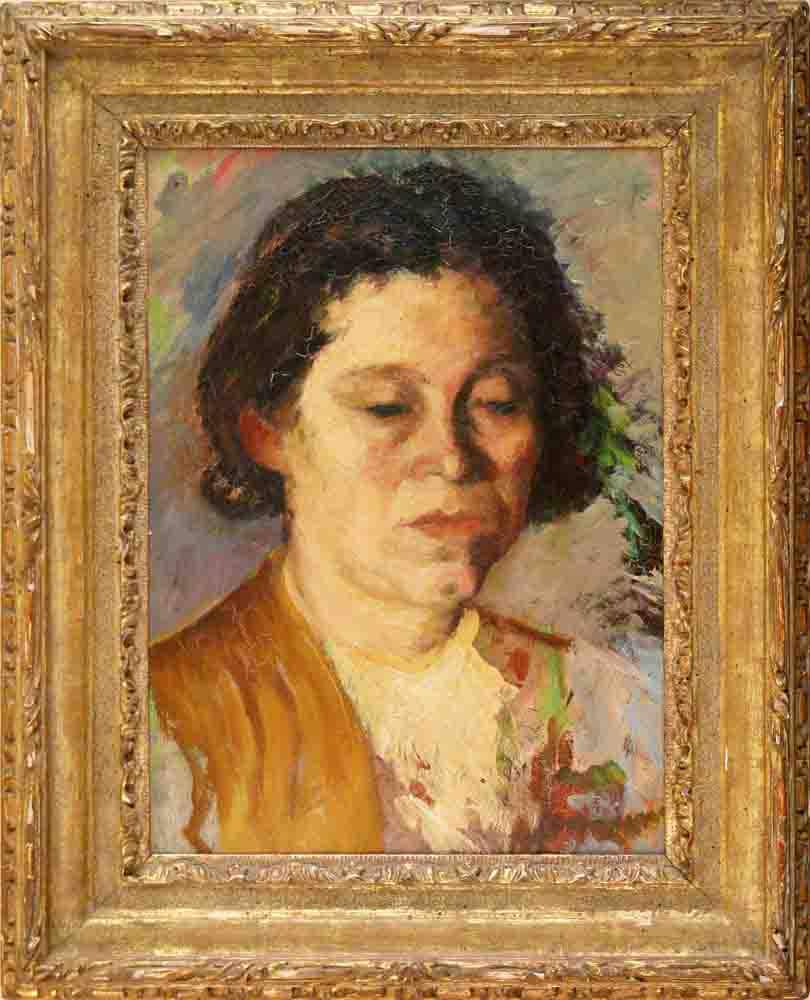
Yenta

Discovering Yenta: A Masterpiece by Jacob Młyncznik

The Artistic Journey of Jacob Młyncznik

Early Life and Influences on Młyncznik's Work

Jacob Młyncznik was born in 1881 in a small town in Poland. His early exposure to the vibrant Jewish culture and traditions deeply influenced his artistic vision. Młyncznik studied at the Academy of Fine Arts in Kraków, where he honed his skills in oil painting. He was inspired by the works of renowned artists like Marc Chagall and Chaim Soutine, who also explored Jewish themes in their art. This rich cultural background shaped Młyncznik's unique perspective, allowing him to capture the essence of Jewish life in his paintings.

Key Themes in Młyncznik's Artistry

Młyncznik's artwork often reflects themes of identity, community, and spirituality. He delves into the everyday lives of Jewish people, portraying their joys and struggles. His paintings frequently highlight the importance of family and tradition, showcasing the warmth of communal gatherings. Młyncznik's ability to convey deep emotions through his art makes his work resonate with viewers on a personal level.

Techniques and Styles: A Deep Dive into Młyncznik's Methodology

Młyncznik employed a distinctive technique that combined realism with impressionistic elements. He used bold brush strokes and a rich color palette to create depth and movement in his paintings. His mastery of light and shadow adds a dynamic quality to his work, drawing the viewer's eye. Młyncznik often layered oil paints to achieve a textured finish, enhancing the visual impact of his subjects.

Yenta: An In-Depth Analysis of the Painting

Visual Elements: Color Palette and Composition

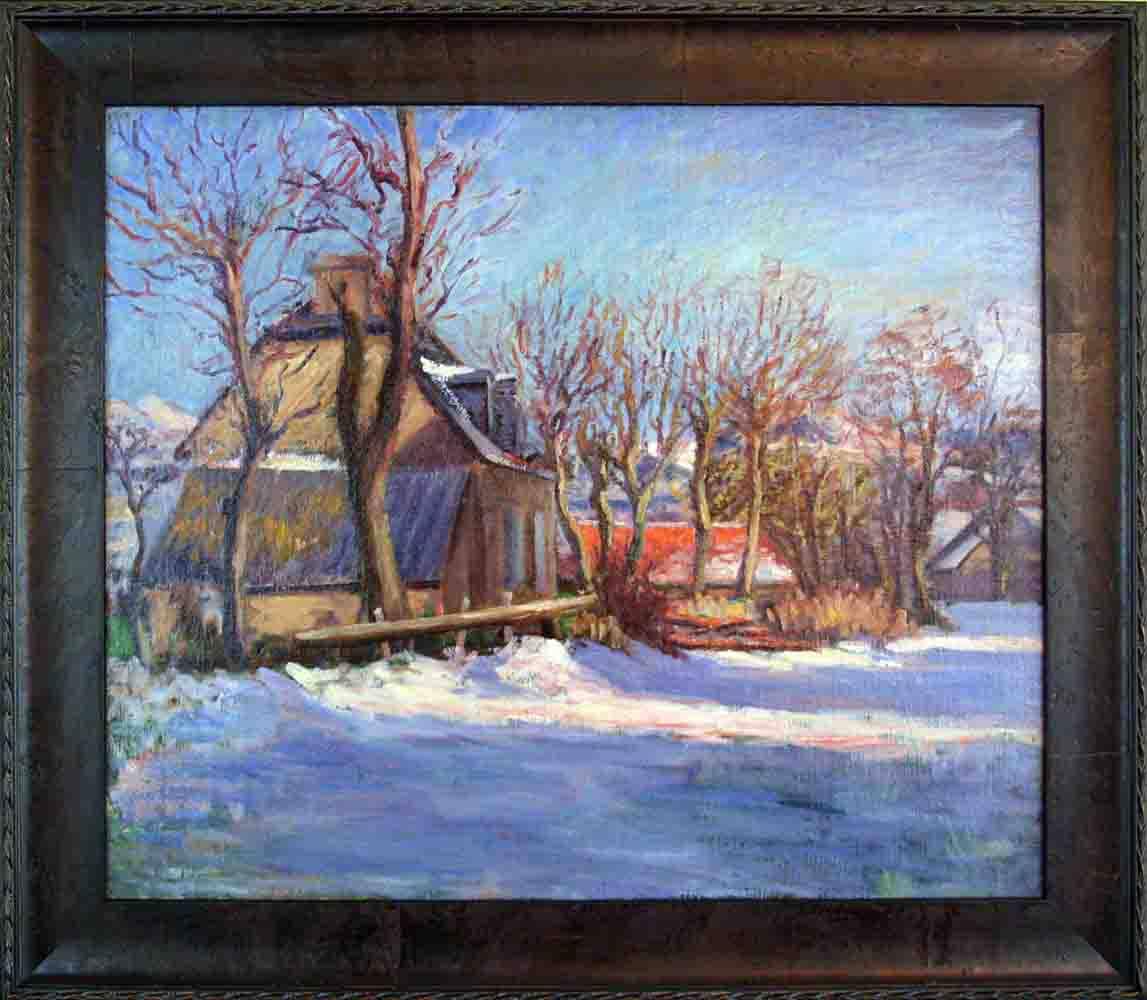
In "Yenta," Młyncznik utilizes a warm color palette dominated by earthy tones and vibrant reds. The composition features a central figure, Yenta, surrounded by a lively market scene. This arrangement creates a sense of movement and energy, inviting viewers to immerse themselves in the bustling atmosphere. The careful placement of elements guides the eye through the painting, revealing intricate details that celebrate Jewish culture.

Symbolism and Meaning Behind Yenta

"Yenta" symbolizes the strength and resilience of Jewish women. The character of Yenta embodies nurturing and wisdom, representing the matriarchal figures in Jewish families. Młyncznik infuses the painting with layers of meaning, suggesting that Yenta is not just a character but a representation of community and heritage. The market setting further emphasizes the importance of social connections and cultural exchange.

Historical Context: The Era of Yenta's Creation

Młyncznik painted "Yenta" during the early 20th century, a time of significant change for Jewish communities in Europe. The painting reflects the vibrancy of Jewish life before the upheaval of World War II. It captures a moment of cultural richness, showcasing traditions that were integral to Jewish identity. This historical backdrop adds depth to the artwork, making it a poignant reminder of a bygone era.

The Cultural Significance of Yenta

Yenta in the Context of Jewish Art and Heritage

"Yenta" holds a special place in the realm of Jewish art. It serves as a testament to the cultural heritage of Jewish communities, celebrating their traditions and stories. Młyncznik's work contributes to the broader narrative of Jewish art, which often explores themes of identity, memory, and resilience. The painting is a visual celebration of Jewish life, making it a significant piece in the context of cultural preservation.

Influence of Yenta on Contemporary Artists

Młyncznik's "Yenta" has inspired many contemporary artists who seek to explore their own cultural identities. The painting's emotional depth and vibrant storytelling encourage artists to reflect on their heritage. Młyncznik's unique approach to depicting Jewish life resonates with modern creators, fostering a dialogue between past and present. His influence can be seen in various art forms, from painting to digital media.

Yenta's Role in Art Exhibitions and Collections

"Yenta" has been featured in numerous art exhibitions, showcasing the richness of Jewish art. It is part of prestigious collections that highlight the importance of preserving cultural narratives. The painting's presence in galleries allows audiences to engage with its themes and appreciate Młyncznik's artistry. Exhibitions featuring "Yenta" often spark discussions about cultural identity and the role of art in storytelling.

Experiencing Yenta: A Personal Reflection

First-Hand Impressions: What Yenta Evokes

Viewing "Yenta" evokes a sense of nostalgia and warmth. The vibrant colors and lively scene draw you in, making you feel part of the community. The character of Yenta radiates strength and compassion, inviting viewers to reflect on their own connections to family and tradition. Each glance reveals new details, deepening the emotional experience.

Emotional Resonance: Viewer Reactions to Yenta

Many viewers express a profound emotional connection to "Yenta." The painting resonates with those who appreciate its celebration of Jewish culture and the universal themes of love and community. People often share personal stories that relate to the painting, highlighting its ability to evoke memories and feelings. Młyncznik's work continues to touch hearts, making it a timeless piece of art.

FAQs About Yenta by Jacob Młyncznik

What is the story behind the painting Yenta?

"Yenta" tells the story of a strong Jewish woman in a bustling market, symbolizing community and resilience. It reflects the everyday life and traditions of Jewish culture.

What techniques did Jacob Młyncznik use in Yenta?

Młyncznik used oil paints with bold brush strokes and a rich color palette, creating depth and texture in the painting.

How does Yenta reflect the cultural background of its time?

"Yenta" captures the vibrancy of Jewish life in the early 20th century, showcasing traditions and social interactions before the disruptions of World War II.

What are the main themes explored in Yenta?

The painting explores themes of identity, community, and the strength of women, highlighting the importance of family and cultural heritage.

Where can I see the original Yenta painting?

The original "Yenta" is housed in a prominent art collection, often featured in exhibitions celebrating Jewish art and culture.

What should I know about reproducing Yenta?

Reproducing "Yenta" as an oil painting reproduction captures the essence and texture of the original artwork, offering a superior alternative to prints.

How does the reproduction of Yenta compare to the original?

An oil painting reproduction of "Yenta" maintains the vibrant colors and intricate details of the original, providing an authentic experience that prints cannot match.
Select Size
From $89.98

Original: $299.95

-70%
Yenta

$299.95

$89.98

Product Information

Shipping & Returns

Description

Discovering Yenta: A Masterpiece by Jacob Młyncznik

The Artistic Journey of Jacob Młyncznik

Early Life and Influences on Młyncznik's Work

Jacob Młyncznik was born in 1881 in a small town in Poland. His early exposure to the vibrant Jewish culture and traditions deeply influenced his artistic vision. Młyncznik studied at the Academy of Fine Arts in Kraków, where he honed his skills in oil painting. He was inspired by the works of renowned artists like Marc Chagall and Chaim Soutine, who also explored Jewish themes in their art. This rich cultural background shaped Młyncznik's unique perspective, allowing him to capture the essence of Jewish life in his paintings.

Key Themes in Młyncznik's Artistry

Młyncznik's artwork often reflects themes of identity, community, and spirituality. He delves into the everyday lives of Jewish people, portraying their joys and struggles. His paintings frequently highlight the importance of family and tradition, showcasing the warmth of communal gatherings. Młyncznik's ability to convey deep emotions through his art makes his work resonate with viewers on a personal level.

Techniques and Styles: A Deep Dive into Młyncznik's Methodology

Młyncznik employed a distinctive technique that combined realism with impressionistic elements. He used bold brush strokes and a rich color palette to create depth and movement in his paintings. His mastery of light and shadow adds a dynamic quality to his work, drawing the viewer's eye. Młyncznik often layered oil paints to achieve a textured finish, enhancing the visual impact of his subjects.

Yenta: An In-Depth Analysis of the Painting

Visual Elements: Color Palette and Composition

In "Yenta," Młyncznik utilizes a warm color palette dominated by earthy tones and vibrant reds. The composition features a central figure, Yenta, surrounded by a lively market scene. This arrangement creates a sense of movement and energy, inviting viewers to immerse themselves in the bustling atmosphere. The careful placement of elements guides the eye through the painting, revealing intricate details that celebrate Jewish culture.

Symbolism and Meaning Behind Yenta

"Yenta" symbolizes the strength and resilience of Jewish women. The character of Yenta embodies nurturing and wisdom, representing the matriarchal figures in Jewish families. Młyncznik infuses the painting with layers of meaning, suggesting that Yenta is not just a character but a representation of community and heritage. The market setting further emphasizes the importance of social connections and cultural exchange.

Historical Context: The Era of Yenta's Creation

Młyncznik painted "Yenta" during the early 20th century, a time of significant change for Jewish communities in Europe. The painting reflects the vibrancy of Jewish life before the upheaval of World War II. It captures a moment of cultural richness, showcasing traditions that were integral to Jewish identity. This historical backdrop adds depth to the artwork, making it a poignant reminder of a bygone era.

The Cultural Significance of Yenta

Yenta in the Context of Jewish Art and Heritage

"Yenta" holds a special place in the realm of Jewish art. It serves as a testament to the cultural heritage of Jewish communities, celebrating their traditions and stories. Młyncznik's work contributes to the broader narrative of Jewish art, which often explores themes of identity, memory, and resilience. The painting is a visual celebration of Jewish life, making it a significant piece in the context of cultural preservation.

Influence of Yenta on Contemporary Artists

Młyncznik's "Yenta" has inspired many contemporary artists who seek to explore their own cultural identities. The painting's emotional depth and vibrant storytelling encourage artists to reflect on their heritage. Młyncznik's unique approach to depicting Jewish life resonates with modern creators, fostering a dialogue between past and present. His influence can be seen in various art forms, from painting to digital media.

Yenta's Role in Art Exhibitions and Collections

"Yenta" has been featured in numerous art exhibitions, showcasing the richness of Jewish art. It is part of prestigious collections that highlight the importance of preserving cultural narratives. The painting's presence in galleries allows audiences to engage with its themes and appreciate Młyncznik's artistry. Exhibitions featuring "Yenta" often spark discussions about cultural identity and the role of art in storytelling.

Experiencing Yenta: A Personal Reflection

First-Hand Impressions: What Yenta Evokes

Viewing "Yenta" evokes a sense of nostalgia and warmth. The vibrant colors and lively scene draw you in, making you feel part of the community. The character of Yenta radiates strength and compassion, inviting viewers to reflect on their own connections to family and tradition. Each glance reveals new details, deepening the emotional experience.

Emotional Resonance: Viewer Reactions to Yenta

Many viewers express a profound emotional connection to "Yenta." The painting resonates with those who appreciate its celebration of Jewish culture and the universal themes of love and community. People often share personal stories that relate to the painting, highlighting its ability to evoke memories and feelings. Młyncznik's work continues to touch hearts, making it a timeless piece of art.

FAQs About Yenta by Jacob Młyncznik

What is the story behind the painting Yenta?

"Yenta" tells the story of a strong Jewish woman in a bustling market, symbolizing community and resilience. It reflects the everyday life and traditions of Jewish culture.

What techniques did Jacob Młyncznik use in Yenta?

Młyncznik used oil paints with bold brush strokes and a rich color palette, creating depth and texture in the painting.

How does Yenta reflect the cultural background of its time?

"Yenta" captures the vibrancy of Jewish life in the early 20th century, showcasing traditions and social interactions before the disruptions of World War II.

What are the main themes explored in Yenta?

The painting explores themes of identity, community, and the strength of women, highlighting the importance of family and cultural heritage.

Where can I see the original Yenta painting?

The original "Yenta" is housed in a prominent art collection, often featured in exhibitions celebrating Jewish art and culture.

What should I know about reproducing Yenta?

Reproducing "Yenta" as an oil painting reproduction captures the essence and texture of the original artwork, offering a superior alternative to prints.

How does the reproduction of Yenta compare to the original?

An oil painting reproduction of "Yenta" maintains the vibrant colors and intricate details of the original, providing an authentic experience that prints cannot match.

You may also like

-70%NEW
Thumbnail 1

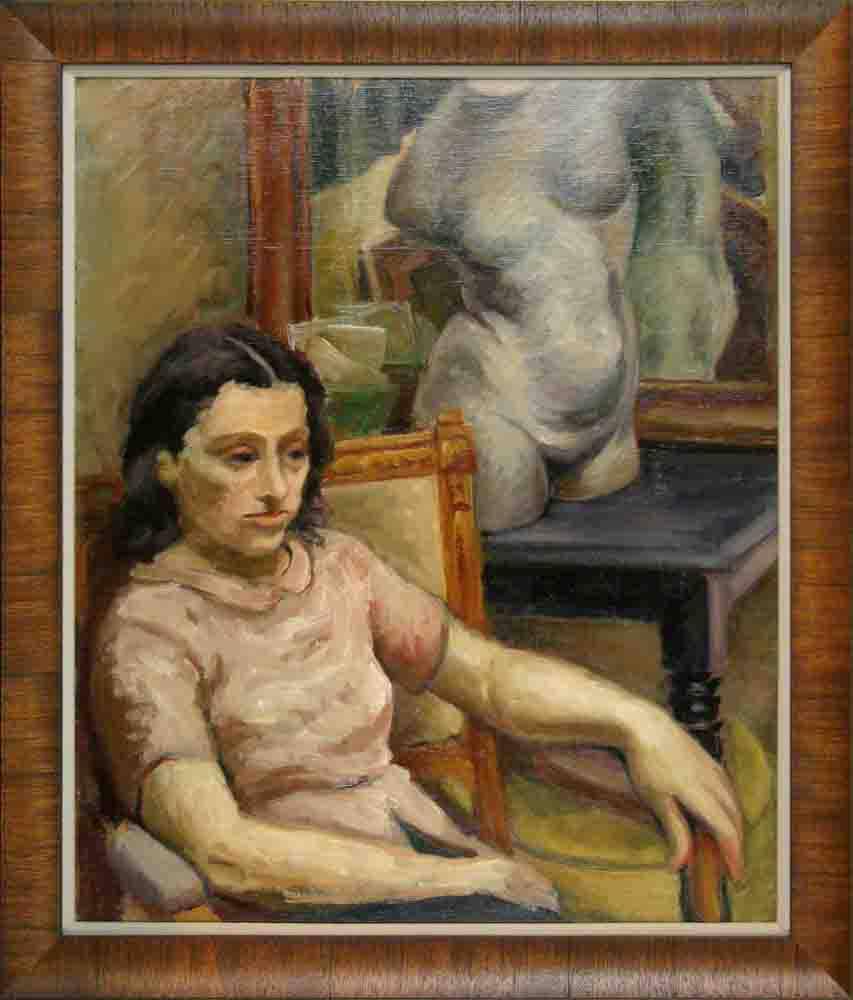
Sonia Seated before Torso by Ben

$249.95

$74.98

-70%NEW
Thumbnail 1

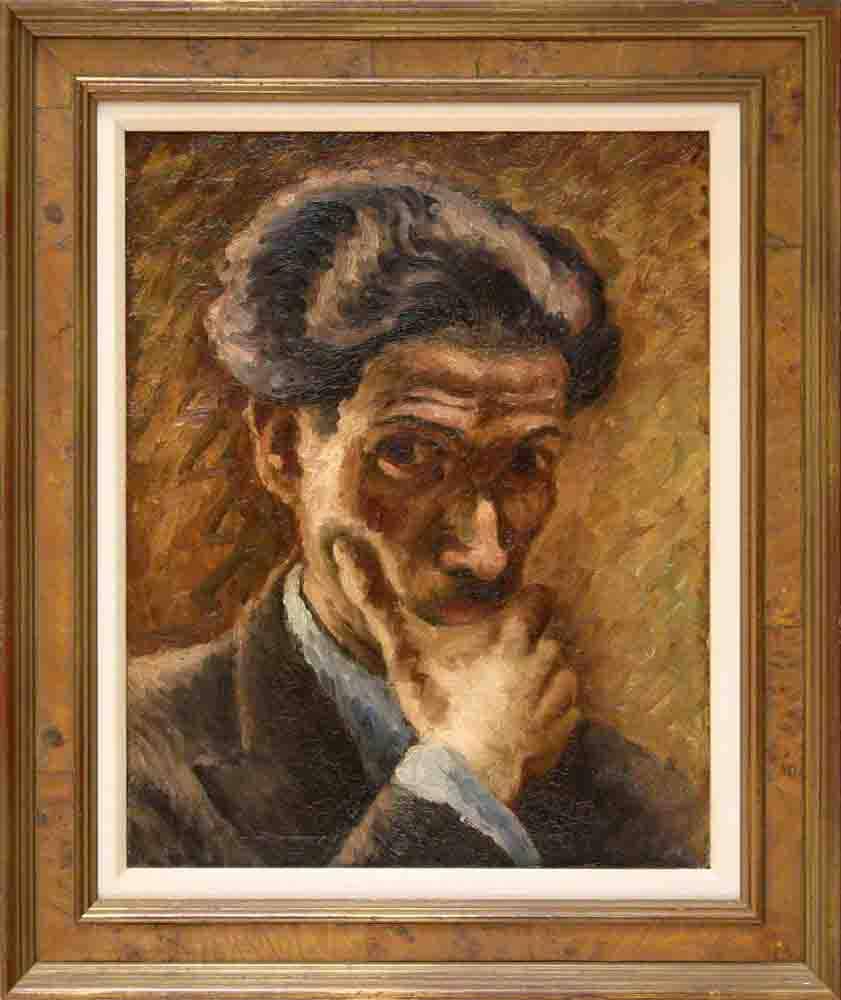
Self-Portrait

$249.95

$74.98

-70%NEW
Thumbnail 1

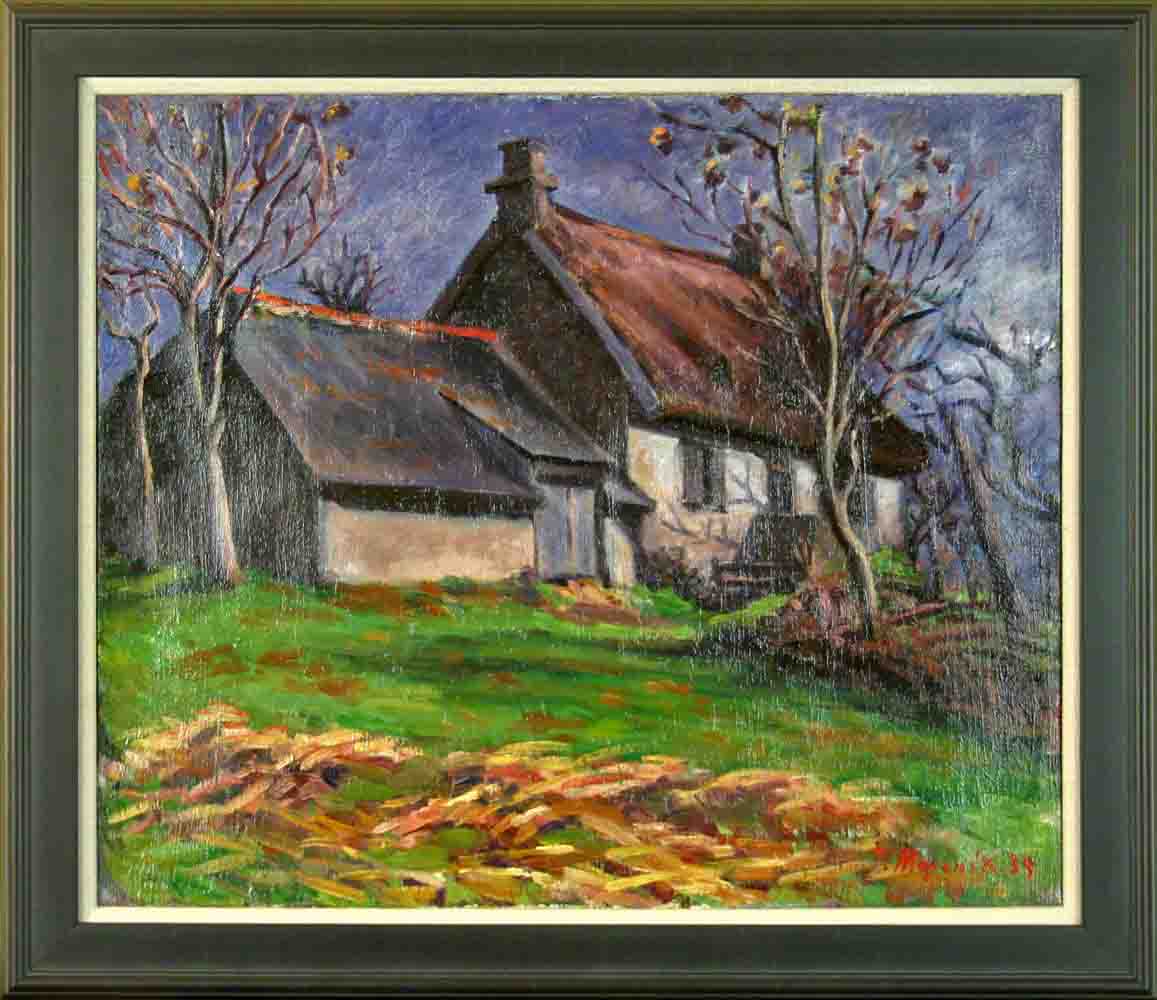
Farmhouse

$479.95

$143.98

-70%NEW
Thumbnail 1

Country House at Winter Sunrise

$249.95

$74.98