🚚 Free Worldwide Shipping on All Orders!Shop Now

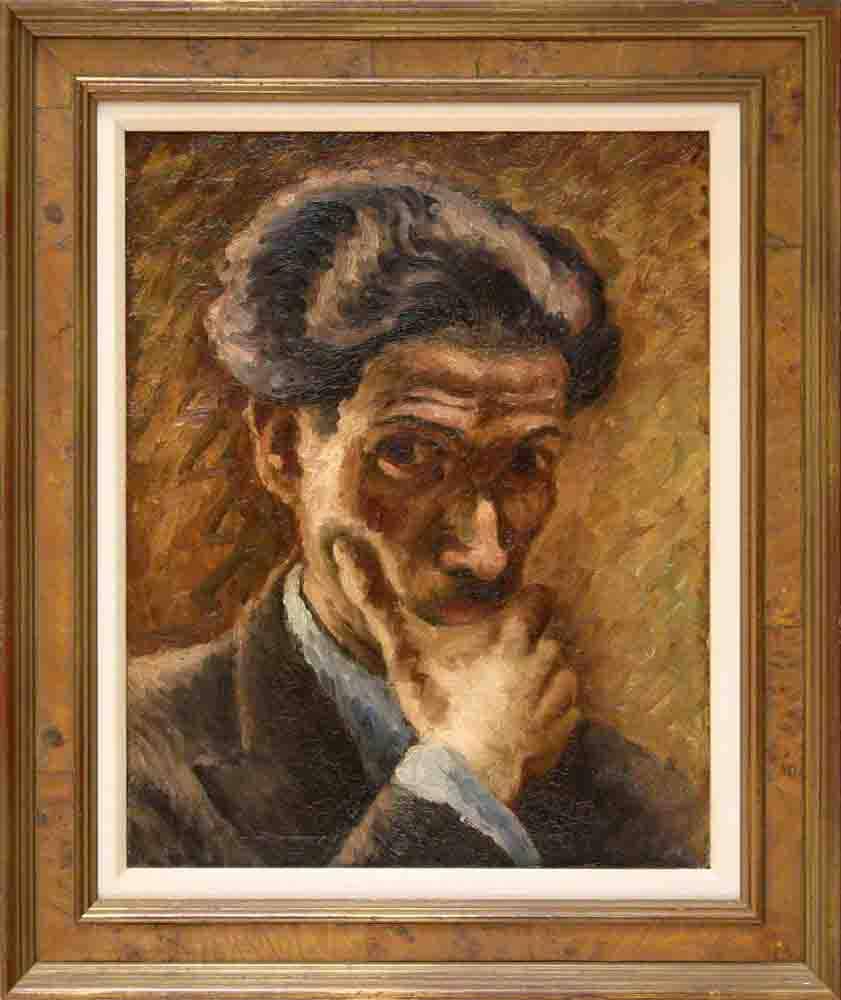
Self-Portrait
Exploring the Artistic Depth of Self-Portrait by Jacob Młodziejczyk
Understanding the Historical Context of Jacob Młodziejczyk's Self-Portrait
The Influence of 17th Century Art Movements
The 17th century was a vibrant period for art, marked by the Baroque and Dutch Golden Age movements. Artists like Rembrandt and Vermeer shaped the landscape of portraiture, emphasizing realism and emotional depth. Jacob Młodziejczyk, influenced by these movements, infused his self-portrait with a unique blend of light and shadow, showcasing the dramatic contrasts typical of Baroque art. This era celebrated individuality, and Młodziejczyk's work reflects the growing importance of personal identity in art.Jacob Młodziejczyk: A Brief Biography and Artistic Journey
Jacob Młodziejczyk was born in Poland in the late 1600s. He trained under prominent artists of his time, honing his skills in oil painting. His journey took him across Europe, where he absorbed various artistic influences. Młodziejczyk's self-portrait stands as a testament to his mastery of technique and his deep understanding of human emotion. His works often explore themes of identity and introspection, making him a significant figure in the art world.Visual Analysis of Self-Portrait: Techniques and Styles
Oil Painting Techniques: Brushwork and Color Palette
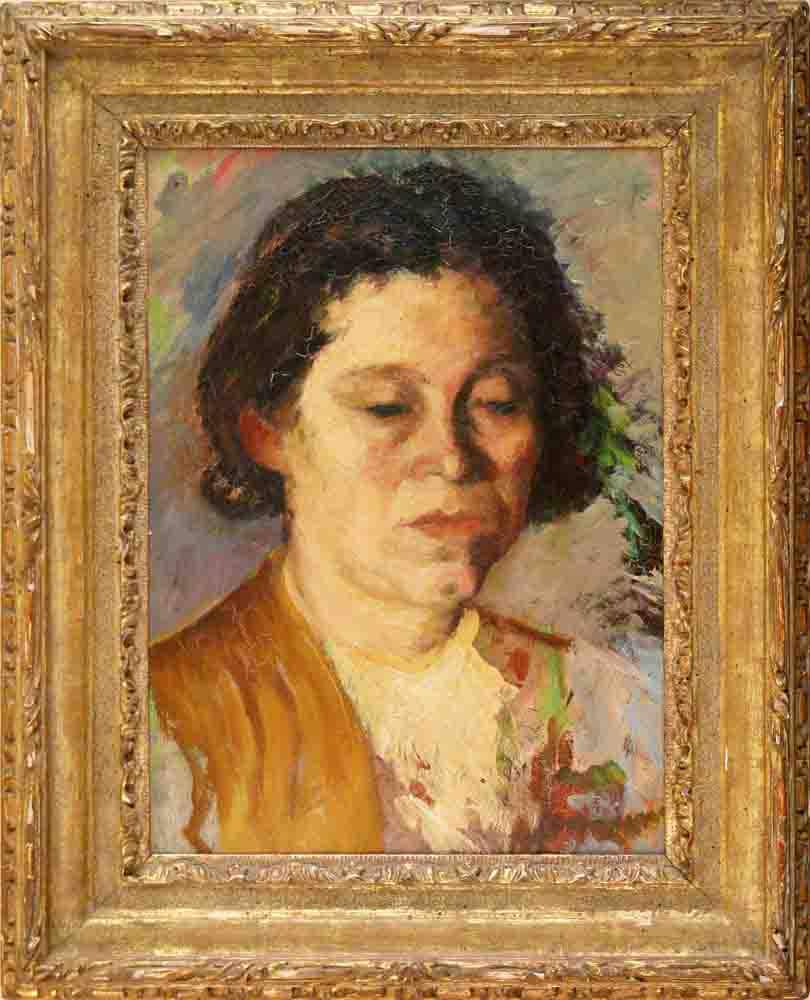
Młodziejczyk's self-portrait showcases his exceptional oil painting techniques. He employed fine brushwork to create intricate details, particularly in the textures of his clothing and skin. The color palette is rich and varied, featuring deep earth tones contrasted with vibrant highlights. This careful selection of colors enhances the painting's emotional impact, drawing viewers into the artist's world.Symbolism in Self-Portrait: What the Artist Reveals
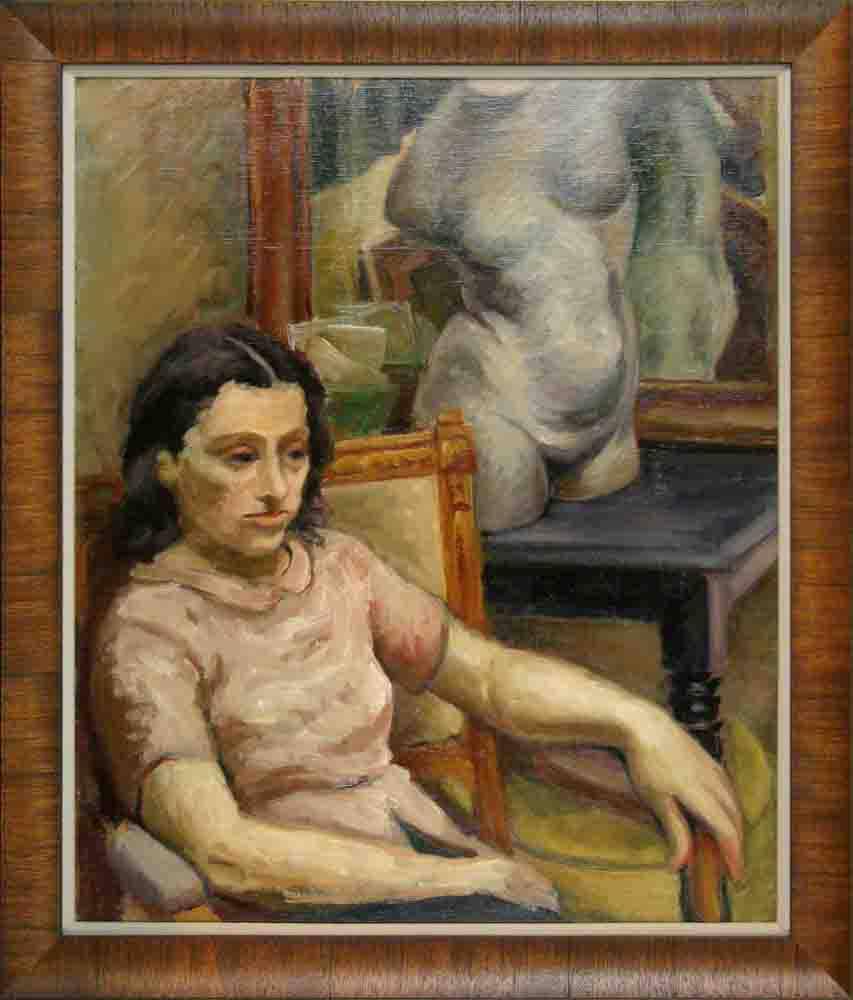
In this self-portrait, Młodziejczyk uses symbolism to convey deeper meanings. The objects surrounding him, such as books and tools, represent knowledge and creativity. His gaze, direct and contemplative, invites viewers to ponder their own identities. This self-representation is not just a reflection of the artist but a commentary on the human experience.Composition and Perspective: A Closer Look
The composition of Młodziejczyk's self-portrait is carefully balanced. He positions himself slightly off-center, creating a dynamic tension that draws the eye. The use of perspective adds depth, making the viewer feel as if they are part of the scene. This thoughtful arrangement enhances the overall impact of the painting, inviting viewers to engage with it on multiple levels.Thematic Elements in Młodziejczyk's Self-Portrait
Identity and Self-Representation in Art
Młodziejczyk's self-portrait is a profound exploration of identity. It reflects the artist's inner thoughts and feelings, showcasing the struggle for self-understanding. This theme resonates with many, as it speaks to the universal quest for personal identity in a complex world.Emotional Resonance: The Mood of the Painting
The mood of Młodziejczyk's self-portrait is introspective and contemplative. The interplay of light and shadow creates a sense of depth, evoking feelings of nostalgia and reflection. Viewers often find themselves drawn into the emotional landscape of the painting, experiencing a connection with the artist's journey.Contrasts and Juxtapositions: Light and Shadow
Light and shadow play a crucial role in Młodziejczyk's self-portrait. The dramatic contrasts highlight the artist's features, emphasizing his expressions and emotions. This technique not only enhances the visual appeal but also adds layers of meaning, inviting viewers to explore the complexities of the human experience.Comparative Analysis: Młodziejczyk's Self-Portrait and Other Self-Portraits
Contrasting Styles: Młodziejczyk vs. Contemporary Artists
When compared to contemporary artists, Młodziejczyk's self-portrait stands out for its traditional techniques and emotional depth. While modern artists may experiment with abstraction, Młodziejczyk remains rooted in realism, capturing the essence of his subject with precision and care.Influence of Dutch Masters on Młodziejczyk's Work
The influence of Dutch Masters is evident in Młodziejczyk's self-portrait. Their focus on light, texture, and human emotion can be seen in his work. Młodziejczyk pays homage to these great artists while also carving out his unique style, blending tradition with personal expression.Artistic Legacy: The Impact of Self-Portrait on Future Generations
How Młodziejczyk's Self-Portrait Influenced Modern Portraiture
Młodziejczyk's self-portrait has left a lasting impact on modern portraiture. His emphasis on identity and emotional depth paved the way for future artists to explore similar themes. Contemporary portraitists often draw inspiration from his techniques, blending realism with personal narrative.Preservation and Restoration of Historical Artworks
The preservation of Młodziejczyk's self-portrait is crucial for future generations. Art conservationists work diligently to restore and maintain historical artworks, ensuring that their beauty and significance endure. This commitment to preservation allows new audiences to appreciate the artist's legacy.Frequently Asked Questions about Self-Portrait by Jacob Młodziejczyk
What are the main themes depicted in Młodziejczyk's Self-Portrait?
The main themes include identity, self-representation, and emotional introspection. Młodziejczyk explores the complexities of the human experience through his art.How does Młodziejczyk's technique compare to other artists of his time?
Młodziejczyk's technique is characterized by meticulous brushwork and a rich color palette, setting him apart from many of his contemporaries who may have favored looser styles.What emotions does the Self-Portrait evoke in viewers?
Viewers often feel a sense of introspection and connection, as the painting invites them to reflect on their own identities and experiences.What is the significance of the color choices in this painting?
The color choices enhance the emotional depth of the painting, with warm tones creating a sense of intimacy and cool tones adding a layer of contemplation.How has Młodziejczyk's Self-Portrait been received by art critics?
Art critics have praised Młodziejczyk's self-portrait for its technical skill and emotional resonance, recognizing it as a significant contribution to the genre of portraiture.What should I know about the reproduction of Młodziejczyk's Self-Portrait?
Reproductions of Młodziejczyk's self-portrait capture the essence of the original painting with stunning detail. Unlike prints, these oil painting reproductions offer a superior quality that reflects the texture and depth of the original artwork.Are there any notable exhibitions featuring Młodziejczyk's work?
Młodziejczyk's work has been featured in various exhibitions across Europe, showcasing his contributions to the art world and his influence on portraiture.Select Size
From $74.98
Original: $249.95
-70%Self-Portrait—
$249.95
$74.98Product Information
Product Information
Shipping & Returns
Shipping & Returns