Deer in a Monastery Garden
Exploring the Vibrant World of Franz Marc's "Deer in a Monastery Garden"
Understanding the Symbolism in "Deer in a Monastery Garden"
The Spiritual Significance of Deer in Art
In many cultures, deer symbolize grace, peace, and spiritual enlightenment. In "Deer in a Monastery Garden," Franz Marc captures this essence beautifully. The deer, often seen as messengers between the earthly and spiritual realms, embody tranquility and purity. Marc's choice to depict these majestic creatures in a serene garden setting enhances their symbolic weight, inviting viewers to reflect on the connection between nature and spirituality.
Monastic Life and Nature: A Harmonious Relationship
The monastery garden serves as a backdrop that represents harmony between human life and the natural world. Monastic life emphasizes simplicity and contemplation, and Marc's painting reflects this ethos. The lush greenery and vibrant flora surrounding the deer create a peaceful sanctuary, suggesting that nature is a vital part of spiritual practice. This relationship highlights the importance of preserving nature in our quest for inner peace.
Franz Marc: A Pioneer of Expressionism and Animal Imagery
Marc's Artistic Journey: From Impressionism to Expressionism
Franz Marc began his artistic career influenced by Impressionism, but he soon evolved into a leading figure in Expressionism. His early works focused on capturing light and color, but he later shifted to a more abstract style. "Deer in a Monastery Garden" exemplifies this transition, showcasing his innovative approach to color and form. Marc's fascination with animals became a central theme, as he believed they represented a purer existence compared to humans.
Influences of German Romanticism on Marc's Work
German Romanticism deeply influenced Marc's artistic vision. This movement emphasized emotion, nature, and the sublime, all of which resonate in "Deer in a Monastery Garden." Marc's use of vibrant colors and dynamic forms reflects the Romantic ideal of expressing deep feelings and a connection to the natural world. His work invites viewers to experience the beauty and complexity of life through the lens of animal imagery.
Color Theory and Emotional Resonance in "Deer in a Monastery Garden"
The Use of Color to Convey Emotion and Meaning
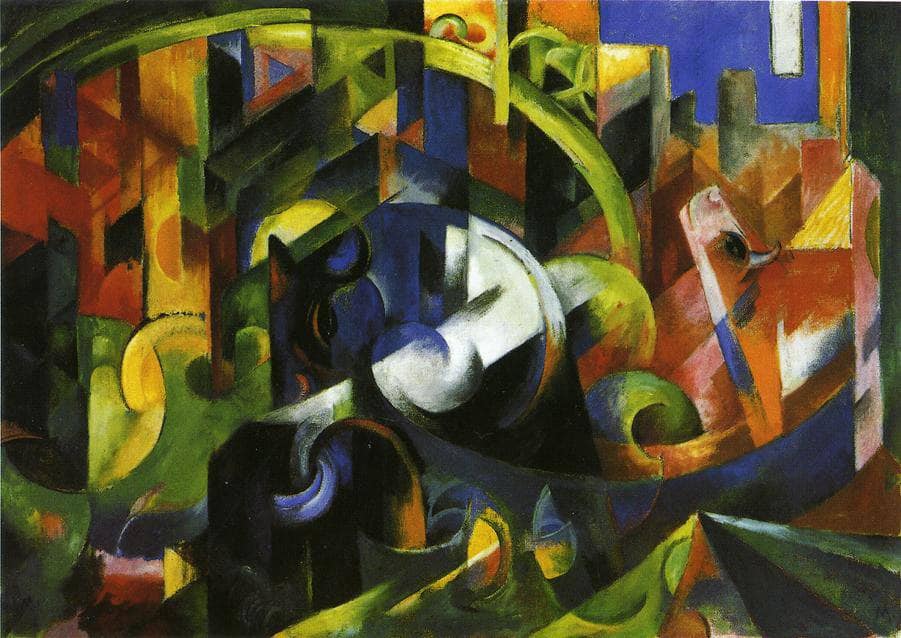
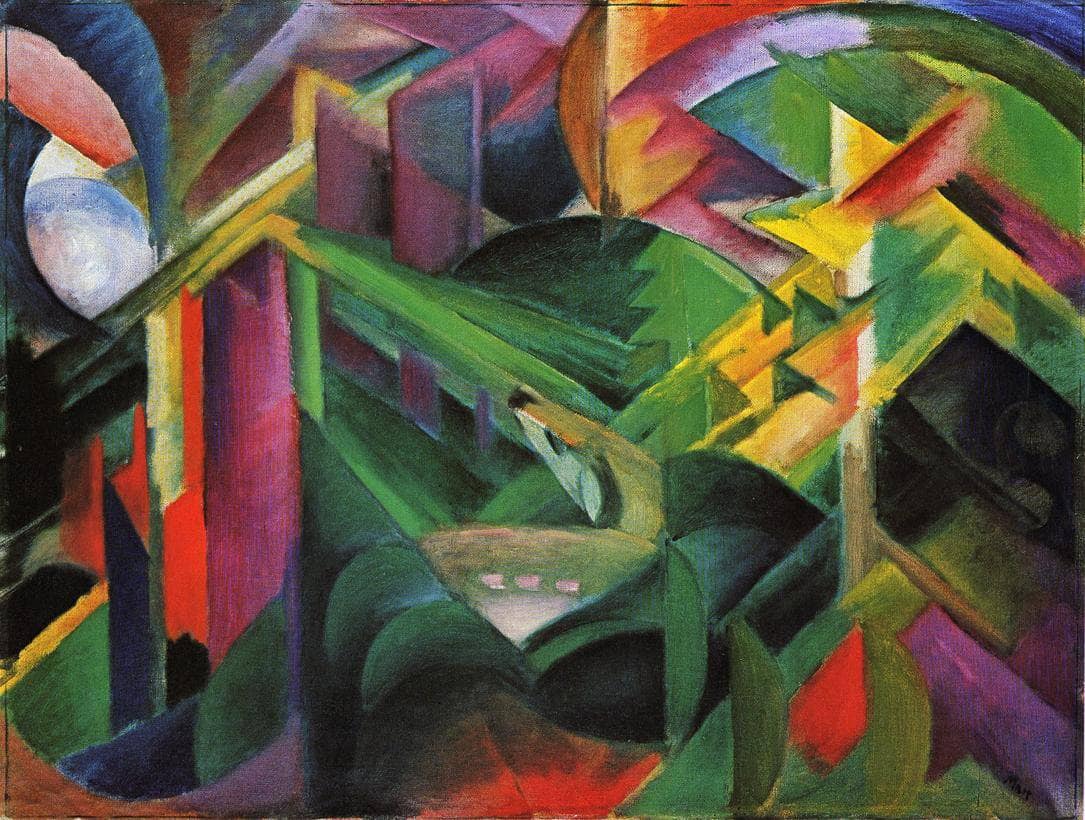
Color plays a crucial role in "Deer in a Monastery Garden." Marc employs a bold palette of blues, greens, and yellows to evoke emotions and convey meaning. The vibrant colors create a sense of joy and vitality, while the contrasting hues highlight the deer's serene presence. This intentional use of color enhances the viewer's emotional experience, drawing them into the tranquil world Marc has created.
How Marc's Palette Reflects the Essence of Nature
Marc's color choices reflect the essence of the natural world. The lush greens symbolize growth and renewal, while the deep blues evoke calmness and introspection. This harmonious palette mirrors the balance found in nature, reinforcing the painting's theme of unity between the deer and their environment. Marc's ability to capture the spirit of nature through color is a hallmark of his artistic genius.
The Composition and Structure of the Painting
Analyzing the Layout: Balance and Harmony in Design
The composition of "Deer in a Monastery Garden" showcases Marc's mastery of balance and harmony. The placement of the deer within the lush garden creates a focal point that draws the viewer's eye. The surrounding elements, such as trees and flowers, frame the deer, enhancing the sense of tranquility. This thoughtful arrangement reflects Marc's understanding of design principles and his ability to create a cohesive visual narrative.
Foreground vs. Background: The Role of Space in the Artwork
In this painting, the foreground and background interact seamlessly. The deer occupy the foreground, symbolizing their importance, while the vibrant garden serves as a rich backdrop. This spatial relationship emphasizes the connection between the deer and their environment. Marc's use of space invites viewers to explore the painting, discovering new details and layers of meaning with each glance.
Artistic Techniques: Brushwork and Texture in Marc's Style
Exploring Marc's Unique Brushwork Techniques
Franz Marc's brushwork in "Deer in a Monastery Garden" is distinctive and expressive. He employs bold, sweeping strokes that convey movement and energy. This technique adds a dynamic quality to the painting, making the deer appear alive and vibrant. Marc's ability to manipulate brushwork enhances the emotional impact of the artwork, inviting viewers to feel the essence of the scene.
The Impact of Texture on Viewer Perception
The texture in Marc's painting plays a significant role in shaping viewer perception. The layered application of paint creates depth and richness, allowing the colors to interact in captivating ways. This tactile quality draws viewers in, encouraging them to engage with the artwork on a sensory level. Marc's innovative use of texture elevates "Deer in a Monastery Garden" beyond a mere visual experience, making it a feast for the senses.
The Cultural Context of "Deer in a Monastery Garden"
Art in the Early 20th Century: A Reflection of Society
Marc's Role in the Blue Rider Movement
Franz Marc was a founding member of the Blue Rider movement, which sought to explore the emotional and spiritual aspects of art. This group emphasized the importance of color and abstraction, and Marc's "Deer in a Monastery Garden" embodies these ideals. The painting's vibrant colors and animal imagery resonate with the movement's goal of expressing the inner experiences of life, making it a significant contribution to the art world.
Personal Reflections: Experiencing the Painting in Person
Visiting Museums: The Impact of Viewing Original Works
Experiencing "Deer in a Monastery Garden" in person is a transformative experience. The original painting's colors and textures come alive in a way that reproductions cannot fully capture. Standing before the artwork allows viewers to appreciate Marc's skill and vision, creating a deeper emotional connection. Museums provide a unique opportunity to engage with art on a personal level, enhancing our understanding of the artist's intent.
Emotional Reactions: What the Painting Evokes in Viewers
Viewers often report feeling a sense of peace and tranquility when observing "Deer in a Monastery Garden." The serene presence of the deer, combined with the vibrant garden, evokes feelings of harmony and connection to nature. This emotional resonance is a testament to Marc's ability to communicate complex feelings through his art. Each viewer may interpret the painting differently, reflecting their own experiences and emotions.
FAQs About "Deer in a Monastery Garden" by Franz Marc
What is the historical significance of "Deer in a Monastery Garden"?
This painting is significant as it showcases Marc's innovative approach to color and form, marking a pivotal moment in the Expressionist movement. It reflects the early 20th-century desire for a deeper connection with nature and spirituality.
How does "Deer in a Monastery Garden" reflect Franz Marc's artistic philosophy?
Marc believed that animals represented a purer existence. This painting embodies his philosophy by highlighting the beauty and grace of deer in a tranquil setting, emphasizing the harmony between nature and spirituality.
What themes are prevalent in "Deer in a Monastery Garden"?
The painting explores themes of spirituality, harmony with nature, and the emotional resonance of color. It invites viewers to reflect on their relationship with the natural world and the deeper meanings behind animal imagery.
How does the painting compare to other works by Franz Marc?
Compared to other works, "Deer in a Monastery Garden" stands out for its serene composition and vibrant color palette. It shares themes of nature and spirituality with Marc's other pieces but offers a unique perspective through its focus on deer.
What techniques did Franz Marc use in creating "Deer in a Monastery Garden"?
Marc employed bold brushwork, vibrant colors, and a unique composition to create this masterpiece. His techniques enhance the emotional impact and invite viewers to engage with the artwork on multiple levels.
What should I know about the reproduction of "Deer in a Monastery Garden"?
Art reproductions of "Deer in a Monastery Garden" offer a superior alternative to prints. They capture the essence of Marc's original work, allowing you to enjoy the vibrant colors and textures in your own space. A high-quality reproduction can bring the beauty of this masterpiece into your home.
How can I best display a reproduction of "Deer in a Monastery Garden" in my home?
To best display a reproduction of "Deer in a Monastery Garden," choose a well-lit area where the colors can shine. Consider framing it with a simple frame that complements the artwork. Hanging it in a peaceful space can enhance the tranquil atmosphere that Marc intended.
Original: $299.95
-70%$299.95
$89.98Product Information
Product Information
Shipping & Returns
Shipping & Returns
Description
Exploring the Vibrant World of Franz Marc's "Deer in a Monastery Garden"
Understanding the Symbolism in "Deer in a Monastery Garden"
The Spiritual Significance of Deer in Art
In many cultures, deer symbolize grace, peace, and spiritual enlightenment. In "Deer in a Monastery Garden," Franz Marc captures this essence beautifully. The deer, often seen as messengers between the earthly and spiritual realms, embody tranquility and purity. Marc's choice to depict these majestic creatures in a serene garden setting enhances their symbolic weight, inviting viewers to reflect on the connection between nature and spirituality.
Monastic Life and Nature: A Harmonious Relationship
The monastery garden serves as a backdrop that represents harmony between human life and the natural world. Monastic life emphasizes simplicity and contemplation, and Marc's painting reflects this ethos. The lush greenery and vibrant flora surrounding the deer create a peaceful sanctuary, suggesting that nature is a vital part of spiritual practice. This relationship highlights the importance of preserving nature in our quest for inner peace.
Franz Marc: A Pioneer of Expressionism and Animal Imagery
Marc's Artistic Journey: From Impressionism to Expressionism
Franz Marc began his artistic career influenced by Impressionism, but he soon evolved into a leading figure in Expressionism. His early works focused on capturing light and color, but he later shifted to a more abstract style. "Deer in a Monastery Garden" exemplifies this transition, showcasing his innovative approach to color and form. Marc's fascination with animals became a central theme, as he believed they represented a purer existence compared to humans.
Influences of German Romanticism on Marc's Work
German Romanticism deeply influenced Marc's artistic vision. This movement emphasized emotion, nature, and the sublime, all of which resonate in "Deer in a Monastery Garden." Marc's use of vibrant colors and dynamic forms reflects the Romantic ideal of expressing deep feelings and a connection to the natural world. His work invites viewers to experience the beauty and complexity of life through the lens of animal imagery.
Color Theory and Emotional Resonance in "Deer in a Monastery Garden"
The Use of Color to Convey Emotion and Meaning
Color plays a crucial role in "Deer in a Monastery Garden." Marc employs a bold palette of blues, greens, and yellows to evoke emotions and convey meaning. The vibrant colors create a sense of joy and vitality, while the contrasting hues highlight the deer's serene presence. This intentional use of color enhances the viewer's emotional experience, drawing them into the tranquil world Marc has created.
How Marc's Palette Reflects the Essence of Nature
Marc's color choices reflect the essence of the natural world. The lush greens symbolize growth and renewal, while the deep blues evoke calmness and introspection. This harmonious palette mirrors the balance found in nature, reinforcing the painting's theme of unity between the deer and their environment. Marc's ability to capture the spirit of nature through color is a hallmark of his artistic genius.
The Composition and Structure of the Painting
Analyzing the Layout: Balance and Harmony in Design
The composition of "Deer in a Monastery Garden" showcases Marc's mastery of balance and harmony. The placement of the deer within the lush garden creates a focal point that draws the viewer's eye. The surrounding elements, such as trees and flowers, frame the deer, enhancing the sense of tranquility. This thoughtful arrangement reflects Marc's understanding of design principles and his ability to create a cohesive visual narrative.
Foreground vs. Background: The Role of Space in the Artwork
In this painting, the foreground and background interact seamlessly. The deer occupy the foreground, symbolizing their importance, while the vibrant garden serves as a rich backdrop. This spatial relationship emphasizes the connection between the deer and their environment. Marc's use of space invites viewers to explore the painting, discovering new details and layers of meaning with each glance.
Artistic Techniques: Brushwork and Texture in Marc's Style
Exploring Marc's Unique Brushwork Techniques
Franz Marc's brushwork in "Deer in a Monastery Garden" is distinctive and expressive. He employs bold, sweeping strokes that convey movement and energy. This technique adds a dynamic quality to the painting, making the deer appear alive and vibrant. Marc's ability to manipulate brushwork enhances the emotional impact of the artwork, inviting viewers to feel the essence of the scene.
The Impact of Texture on Viewer Perception
The texture in Marc's painting plays a significant role in shaping viewer perception. The layered application of paint creates depth and richness, allowing the colors to interact in captivating ways. This tactile quality draws viewers in, encouraging them to engage with the artwork on a sensory level. Marc's innovative use of texture elevates "Deer in a Monastery Garden" beyond a mere visual experience, making it a feast for the senses.
The Cultural Context of "Deer in a Monastery Garden"
Art in the Early 20th Century: A Reflection of Society
Marc's Role in the Blue Rider Movement
Franz Marc was a founding member of the Blue Rider movement, which sought to explore the emotional and spiritual aspects of art. This group emphasized the importance of color and abstraction, and Marc's "Deer in a Monastery Garden" embodies these ideals. The painting's vibrant colors and animal imagery resonate with the movement's goal of expressing the inner experiences of life, making it a significant contribution to the art world.
Personal Reflections: Experiencing the Painting in Person
Visiting Museums: The Impact of Viewing Original Works
Experiencing "Deer in a Monastery Garden" in person is a transformative experience. The original painting's colors and textures come alive in a way that reproductions cannot fully capture. Standing before the artwork allows viewers to appreciate Marc's skill and vision, creating a deeper emotional connection. Museums provide a unique opportunity to engage with art on a personal level, enhancing our understanding of the artist's intent.
Emotional Reactions: What the Painting Evokes in Viewers
Viewers often report feeling a sense of peace and tranquility when observing "Deer in a Monastery Garden." The serene presence of the deer, combined with the vibrant garden, evokes feelings of harmony and connection to nature. This emotional resonance is a testament to Marc's ability to communicate complex feelings through his art. Each viewer may interpret the painting differently, reflecting their own experiences and emotions.
FAQs About "Deer in a Monastery Garden" by Franz Marc
What is the historical significance of "Deer in a Monastery Garden"?
This painting is significant as it showcases Marc's innovative approach to color and form, marking a pivotal moment in the Expressionist movement. It reflects the early 20th-century desire for a deeper connection with nature and spirituality.
How does "Deer in a Monastery Garden" reflect Franz Marc's artistic philosophy?
Marc believed that animals represented a purer existence. This painting embodies his philosophy by highlighting the beauty and grace of deer in a tranquil setting, emphasizing the harmony between nature and spirituality.
What themes are prevalent in "Deer in a Monastery Garden"?
The painting explores themes of spirituality, harmony with nature, and the emotional resonance of color. It invites viewers to reflect on their relationship with the natural world and the deeper meanings behind animal imagery.
How does the painting compare to other works by Franz Marc?
Compared to other works, "Deer in a Monastery Garden" stands out for its serene composition and vibrant color palette. It shares themes of nature and spirituality with Marc's other pieces but offers a unique perspective through its focus on deer.
What techniques did Franz Marc use in creating "Deer in a Monastery Garden"?
Marc employed bold brushwork, vibrant colors, and a unique composition to create this masterpiece. His techniques enhance the emotional impact and invite viewers to engage with the artwork on multiple levels.
What should I know about the reproduction of "Deer in a Monastery Garden"?
Art reproductions of "Deer in a Monastery Garden" offer a superior alternative to prints. They capture the essence of Marc's original work, allowing you to enjoy the vibrant colors and textures in your own space. A high-quality reproduction can bring the beauty of this masterpiece into your home.
How can I best display a reproduction of "Deer in a Monastery Garden" in my home?
To best display a reproduction of "Deer in a Monastery Garden," choose a well-lit area where the colors can shine. Consider framing it with a simple frame that complements the artwork. Hanging it in a peaceful space can enhance the tranquil atmosphere that Marc intended.