Café in Davos
Exploring the Vibrant World of Café in Davos by Ernst Ludwig Kirchner
Introduction to Kirchner's Artistic Vision
The Expressionist Movement and Its Impact
The Expressionist movement emerged in the early 20th century, emphasizing emotional experience over physical reality. Artists sought to convey deep feelings through bold colors and distorted forms. Kirchner, a founding member of Die Brücke, played a pivotal role in shaping this movement, using his art to explore the complexities of modern life.
Ernst Ludwig Kirchner: A Brief Biography
Born in 1880 in Aschaffenburg, Germany, Ernst Ludwig Kirchner became a leading figure in Expressionism. His early career flourished in Dresden, where he co-founded Die Br√ºcke. Kirchner's life was marked by personal struggles, including mental health issues, which deeply influenced his artistic output. He spent time in Switzerland, where he painted many of his most famous works, including Café in Davos.
Unveiling the Café in Davos: A Masterpiece of Color and Emotion
Setting the Scene: The Alpine Ambiance of Davos
Café in Davos captures the essence of the Swiss Alps, showcasing the picturesque town of Davos. Known for its stunning landscapes and vibrant social scene, Davos served as a refuge for artists and intellectuals. Kirchner's portrayal of this locale reflects both its beauty and the emotional isolation felt by many visitors.
Composition and Color Palette: A Study in Contrasts
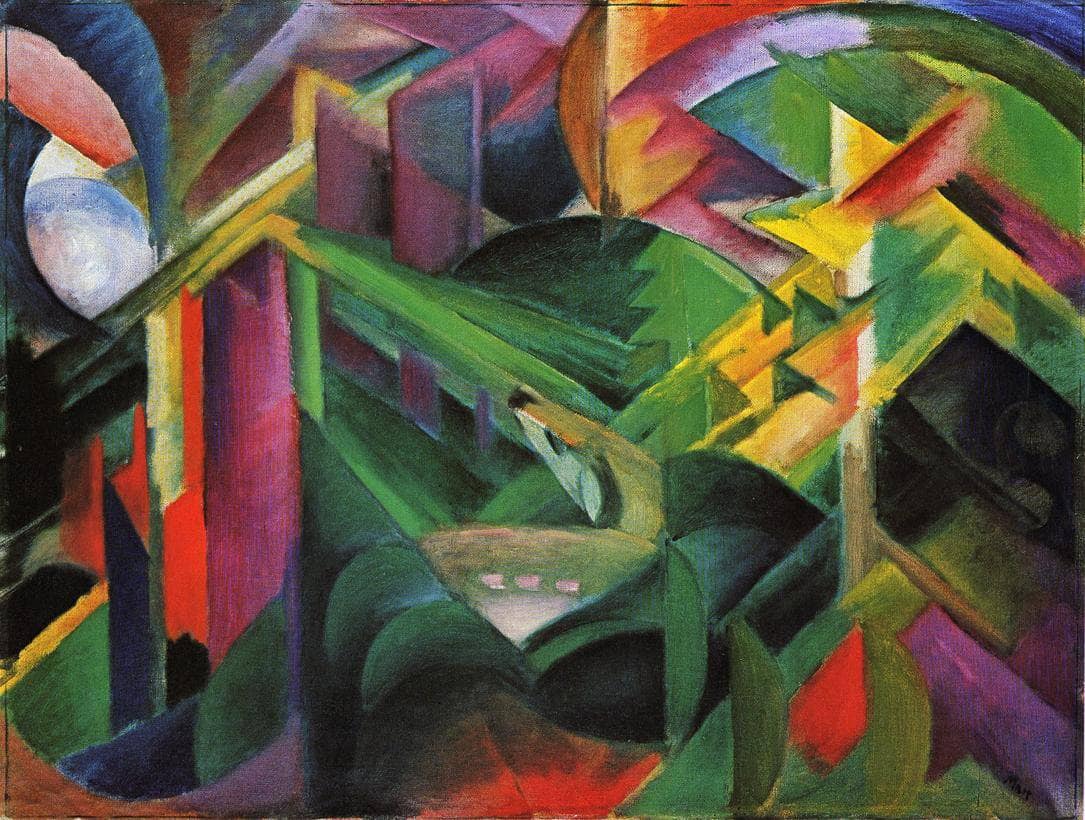
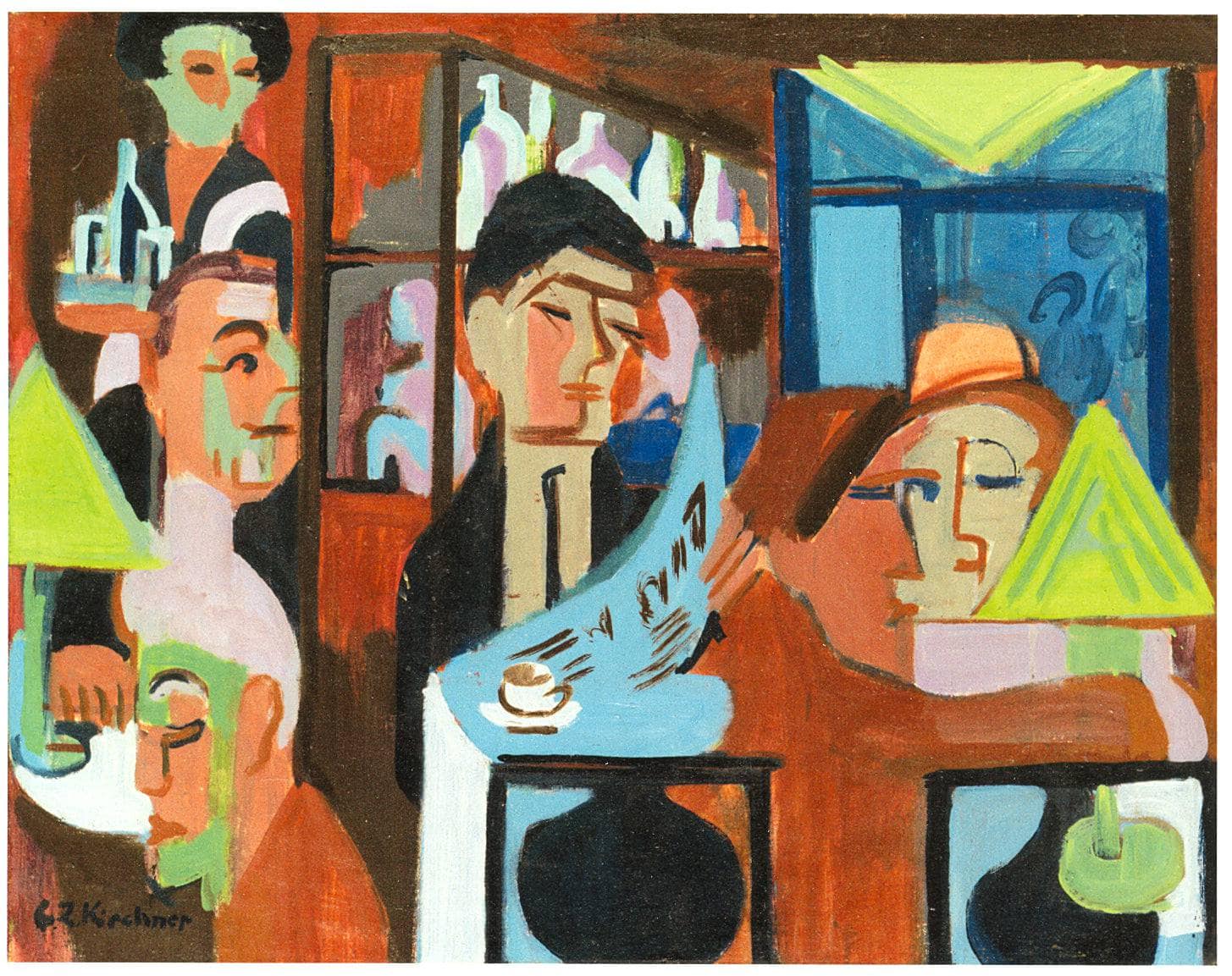
The composition of Café in Davos is dynamic and engaging. Kirchner employs a vivid color palette, featuring striking reds, greens, and blues that create a sense of movement. The contrast between warm and cool tones enhances the emotional intensity of the scene, drawing viewers into the lively atmosphere of the café.
Figures and Forms: The Human Element in Kirchner's Work
In Café in Davos, Kirchner skillfully depicts figures engaged in conversation and leisure. The elongated forms and expressive postures convey a sense of urgency and emotional depth. Each character tells a story, reflecting the diverse experiences of individuals in a bustling social environment.
Thematic Elements in Café in Davos
Isolation and Community: A Duality Explored
The painting explores the tension between isolation and community. While the café serves as a gathering place, the figures often appear disconnected, highlighting the loneliness that can accompany modern life. This duality resonates with viewers, prompting reflection on their own social experiences.
Modern Life Reflected: The Urban Experience in Nature
Café in Davos juxtaposes urban life with the serene beauty of nature. Kirchner captures the essence of modernity, where individuals seek solace in natural surroundings while grappling with the complexities of city life. This theme remains relevant today, as many people navigate similar challenges.
Psychological Depth: Emotions Captured on Canvas
Kirchner's ability to convey psychological depth is evident in Café in Davos. The expressive brushwork and vibrant colors evoke a range of emotions, from joy to melancholy. This emotional resonance invites viewers to connect with the painting on a personal level, making it a powerful work of art.
Artistic Techniques and Innovations in Kirchner's Work
Brushwork and Texture: The Physicality of Paint
Kirchner's brushwork in Café in Davos is bold and energetic. He uses thick, textured strokes to create a sense of movement and vitality. This physicality of paint adds depth to the composition, allowing viewers to feel the energy of the café scene.
Use of Light and Shadow: Creating Atmosphere
The interplay of light and shadow in Café in Davos enhances the overall atmosphere. Kirchner skillfully manipulates light to highlight certain figures while casting others in shadow, creating a sense of depth and intrigue. This technique draws the viewer's eye and adds complexity to the scene.
Symbolism and Meaning: Decoding Kirchner's Intentions
Kirchner imbues Café in Davos with rich symbolism. The café itself represents a microcosm of society, where diverse individuals converge. The vibrant colors symbolize the emotional highs and lows of life, while the figures reflect the struggles of modern existence. This layered meaning invites deeper exploration of the painting's themes.
The Cultural Context of Café in Davos
Davos as a Cultural Hub: Historical Significance
Davos has long been a cultural hub, attracting artists, writers, and thinkers. In the early 20th century, it became a popular destination for those seeking inspiration and healing. Kirchner's time in Davos allowed him to immerse himself in this vibrant community, influencing his artistic vision.
Influence of the Bauhaus Movement on Kirchner's Style
While Kirchner is primarily associated with Expressionism, the Bauhaus movement also impacted his work. The emphasis on form and function in Bauhaus design resonated with Kirchner's artistic philosophy. This influence is evident in the clean lines and geometric shapes present in Café in Davos.
Art and Society: The Role of Cafés in Early 20th Century Europe
Cafés played a crucial role in early 20th-century European society. They served as gathering places for intellectuals and artists, fostering creativity and dialogue. Kirchner's depiction of a café scene reflects this cultural significance, capturing the essence of social interaction during a transformative period in history.
Legacy and Influence of Café in Davos
Impact on Future Generations of Artists
Café in Davos has left a lasting impact on future generations of artists. Kirchner's innovative use of color and form continues to inspire contemporary painters. His exploration of emotional depth and social themes resonates with artists seeking to convey their own experiences.
Kirchner's Place in Art History: Recognition and Critique
Ernst Ludwig Kirchner's contributions to art history are significant. While he faced criticism during his lifetime, today he is celebrated as a pioneer of Expressionism. Café in Davos stands as a testament to his artistic vision and enduring legacy.
Current Exhibitions and Collections Featuring the Painting
Café in Davos is housed in prestigious collections, including the Museum of Modern Art in New York. It is often featured in exhibitions that explore Expressionism and the evolution of modern art. Art enthusiasts can appreciate Kirchner's work in various galleries around the world.
Frequently Asked Questions about Café in Davos
What inspired Ernst Ludwig Kirchner to paint Café in Davos?
Kirchner was inspired by the vibrant social life and stunning landscapes of Davos. His experiences in the café culture of the town influenced his artistic expression.
How does Café in Davos reflect the themes of the Expressionist movement?
The painting embodies the core themes of Expressionism, including emotional intensity, social commentary, and the exploration of modern life. Kirchner's use of color and form conveys deep feelings and psychological complexity.
What are the notable techniques used by Kirchner in this painting?
Kirchner employs bold brushwork, a vibrant color palette, and innovative use of light and shadow. These techniques create a dynamic and emotionally charged composition.
In what ways does the painting depict the social dynamics of its time?
Café in Davos illustrates the duality of isolation and community. It captures the essence of early 20th-century social interactions, reflecting the complexities of modern life.
Where can I view the original Café in Davos today?
The original painting is part of the collection at the Museum of Modern Art in New York. It is occasionally featured in special exhibitions.
What should I know about the reproduction of Café in Davos?
Art reproductions of Café in Davos offer a superior alternative to prints. They capture the texture, color, and emotional depth of the original painting, allowing art lovers to enjoy Kirchner's work in their own homes.
How does the reproduction compare to the original in terms of color and detail?
High-quality reproductions of Café in Davos maintain the vibrant colors and intricate details of the original. They provide an authentic experience, making it possible to appreciate Kirchner's artistry without the need to visit a museum.
Original: $299.95
-70%$299.95
$89.98Product Information
Product Information
Shipping & Returns
Shipping & Returns
Description
Exploring the Vibrant World of Café in Davos by Ernst Ludwig Kirchner
Introduction to Kirchner's Artistic Vision
The Expressionist Movement and Its Impact
The Expressionist movement emerged in the early 20th century, emphasizing emotional experience over physical reality. Artists sought to convey deep feelings through bold colors and distorted forms. Kirchner, a founding member of Die Brücke, played a pivotal role in shaping this movement, using his art to explore the complexities of modern life.
Ernst Ludwig Kirchner: A Brief Biography
Born in 1880 in Aschaffenburg, Germany, Ernst Ludwig Kirchner became a leading figure in Expressionism. His early career flourished in Dresden, where he co-founded Die Br√ºcke. Kirchner's life was marked by personal struggles, including mental health issues, which deeply influenced his artistic output. He spent time in Switzerland, where he painted many of his most famous works, including Café in Davos.
Unveiling the Café in Davos: A Masterpiece of Color and Emotion
Setting the Scene: The Alpine Ambiance of Davos
Café in Davos captures the essence of the Swiss Alps, showcasing the picturesque town of Davos. Known for its stunning landscapes and vibrant social scene, Davos served as a refuge for artists and intellectuals. Kirchner's portrayal of this locale reflects both its beauty and the emotional isolation felt by many visitors.
Composition and Color Palette: A Study in Contrasts
The composition of Café in Davos is dynamic and engaging. Kirchner employs a vivid color palette, featuring striking reds, greens, and blues that create a sense of movement. The contrast between warm and cool tones enhances the emotional intensity of the scene, drawing viewers into the lively atmosphere of the café.
Figures and Forms: The Human Element in Kirchner's Work
In Café in Davos, Kirchner skillfully depicts figures engaged in conversation and leisure. The elongated forms and expressive postures convey a sense of urgency and emotional depth. Each character tells a story, reflecting the diverse experiences of individuals in a bustling social environment.
Thematic Elements in Café in Davos
Isolation and Community: A Duality Explored
The painting explores the tension between isolation and community. While the café serves as a gathering place, the figures often appear disconnected, highlighting the loneliness that can accompany modern life. This duality resonates with viewers, prompting reflection on their own social experiences.
Modern Life Reflected: The Urban Experience in Nature
Café in Davos juxtaposes urban life with the serene beauty of nature. Kirchner captures the essence of modernity, where individuals seek solace in natural surroundings while grappling with the complexities of city life. This theme remains relevant today, as many people navigate similar challenges.
Psychological Depth: Emotions Captured on Canvas
Kirchner's ability to convey psychological depth is evident in Café in Davos. The expressive brushwork and vibrant colors evoke a range of emotions, from joy to melancholy. This emotional resonance invites viewers to connect with the painting on a personal level, making it a powerful work of art.
Artistic Techniques and Innovations in Kirchner's Work
Brushwork and Texture: The Physicality of Paint
Kirchner's brushwork in Café in Davos is bold and energetic. He uses thick, textured strokes to create a sense of movement and vitality. This physicality of paint adds depth to the composition, allowing viewers to feel the energy of the café scene.
Use of Light and Shadow: Creating Atmosphere
The interplay of light and shadow in Café in Davos enhances the overall atmosphere. Kirchner skillfully manipulates light to highlight certain figures while casting others in shadow, creating a sense of depth and intrigue. This technique draws the viewer's eye and adds complexity to the scene.
Symbolism and Meaning: Decoding Kirchner's Intentions
Kirchner imbues Café in Davos with rich symbolism. The café itself represents a microcosm of society, where diverse individuals converge. The vibrant colors symbolize the emotional highs and lows of life, while the figures reflect the struggles of modern existence. This layered meaning invites deeper exploration of the painting's themes.
The Cultural Context of Café in Davos
Davos as a Cultural Hub: Historical Significance
Davos has long been a cultural hub, attracting artists, writers, and thinkers. In the early 20th century, it became a popular destination for those seeking inspiration and healing. Kirchner's time in Davos allowed him to immerse himself in this vibrant community, influencing his artistic vision.
Influence of the Bauhaus Movement on Kirchner's Style
While Kirchner is primarily associated with Expressionism, the Bauhaus movement also impacted his work. The emphasis on form and function in Bauhaus design resonated with Kirchner's artistic philosophy. This influence is evident in the clean lines and geometric shapes present in Café in Davos.
Art and Society: The Role of Cafés in Early 20th Century Europe
Cafés played a crucial role in early 20th-century European society. They served as gathering places for intellectuals and artists, fostering creativity and dialogue. Kirchner's depiction of a café scene reflects this cultural significance, capturing the essence of social interaction during a transformative period in history.
Legacy and Influence of Café in Davos
Impact on Future Generations of Artists
Café in Davos has left a lasting impact on future generations of artists. Kirchner's innovative use of color and form continues to inspire contemporary painters. His exploration of emotional depth and social themes resonates with artists seeking to convey their own experiences.
Kirchner's Place in Art History: Recognition and Critique
Ernst Ludwig Kirchner's contributions to art history are significant. While he faced criticism during his lifetime, today he is celebrated as a pioneer of Expressionism. Café in Davos stands as a testament to his artistic vision and enduring legacy.
Current Exhibitions and Collections Featuring the Painting
Café in Davos is housed in prestigious collections, including the Museum of Modern Art in New York. It is often featured in exhibitions that explore Expressionism and the evolution of modern art. Art enthusiasts can appreciate Kirchner's work in various galleries around the world.
Frequently Asked Questions about Café in Davos
What inspired Ernst Ludwig Kirchner to paint Café in Davos?
Kirchner was inspired by the vibrant social life and stunning landscapes of Davos. His experiences in the café culture of the town influenced his artistic expression.
How does Café in Davos reflect the themes of the Expressionist movement?
The painting embodies the core themes of Expressionism, including emotional intensity, social commentary, and the exploration of modern life. Kirchner's use of color and form conveys deep feelings and psychological complexity.
What are the notable techniques used by Kirchner in this painting?
Kirchner employs bold brushwork, a vibrant color palette, and innovative use of light and shadow. These techniques create a dynamic and emotionally charged composition.
In what ways does the painting depict the social dynamics of its time?
Café in Davos illustrates the duality of isolation and community. It captures the essence of early 20th-century social interactions, reflecting the complexities of modern life.
Where can I view the original Café in Davos today?
The original painting is part of the collection at the Museum of Modern Art in New York. It is occasionally featured in special exhibitions.
What should I know about the reproduction of Café in Davos?
Art reproductions of Café in Davos offer a superior alternative to prints. They capture the texture, color, and emotional depth of the original painting, allowing art lovers to enjoy Kirchner's work in their own homes.
How does the reproduction compare to the original in terms of color and detail?
High-quality reproductions of Café in Davos maintain the vibrant colors and intricate details of the original. They provide an authentic experience, making it possible to appreciate Kirchner's artistry without the need to visit a museum.