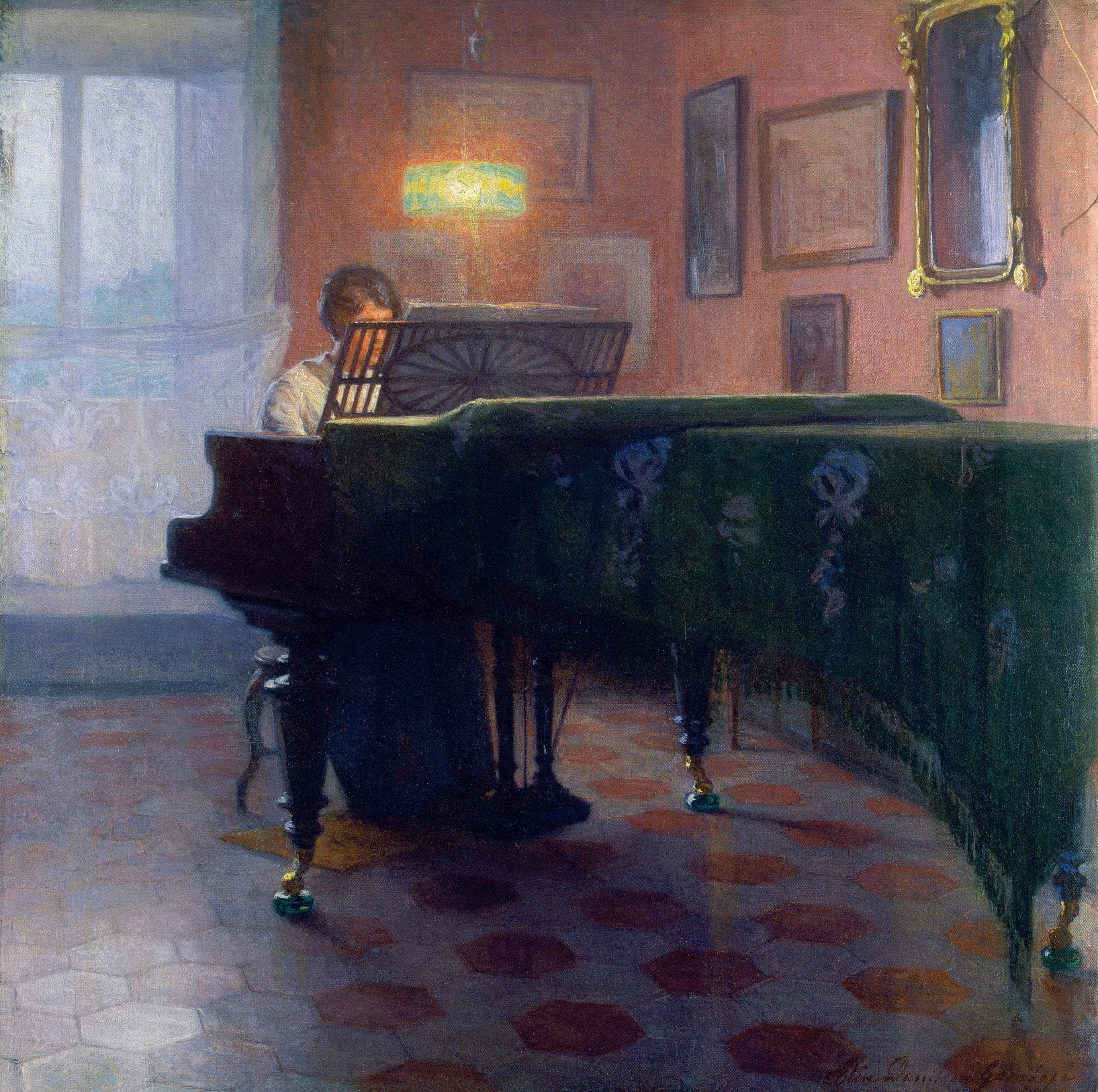
The Piano Player
The Piano Player: A Captivating Exploration of Elin Danielson-Gambogi's Masterpiece
Understanding the Artistic Vision Behind The Piano Player
Elin Danielson-Gambogi: A Pioneer of Finnish Art
Elin Danielson-Gambogi, born in 1861, stands as a significant figure in Finnish art history. She was one of the first female artists to gain recognition in a male-dominated field. Her works often reflect the beauty of everyday life, capturing intimate moments with a unique perspective. Danielson-Gambogi's dedication to her craft paved the way for future generations of artists in Finland.
The Influence of Impressionism on Danielson-Gambogi's Work
Danielson-Gambogi's style is deeply rooted in Impressionism, characterized by her use of light and color to evoke emotion. She embraced the techniques of her contemporaries, blending vibrant hues with soft brushstrokes. This approach allowed her to create a sense of movement and life within her paintings, making them resonate with viewers on a personal level.
Visual Elements of The Piano Player: A Detailed Analysis
Color Palette: Harmonious Hues and Emotional Resonance
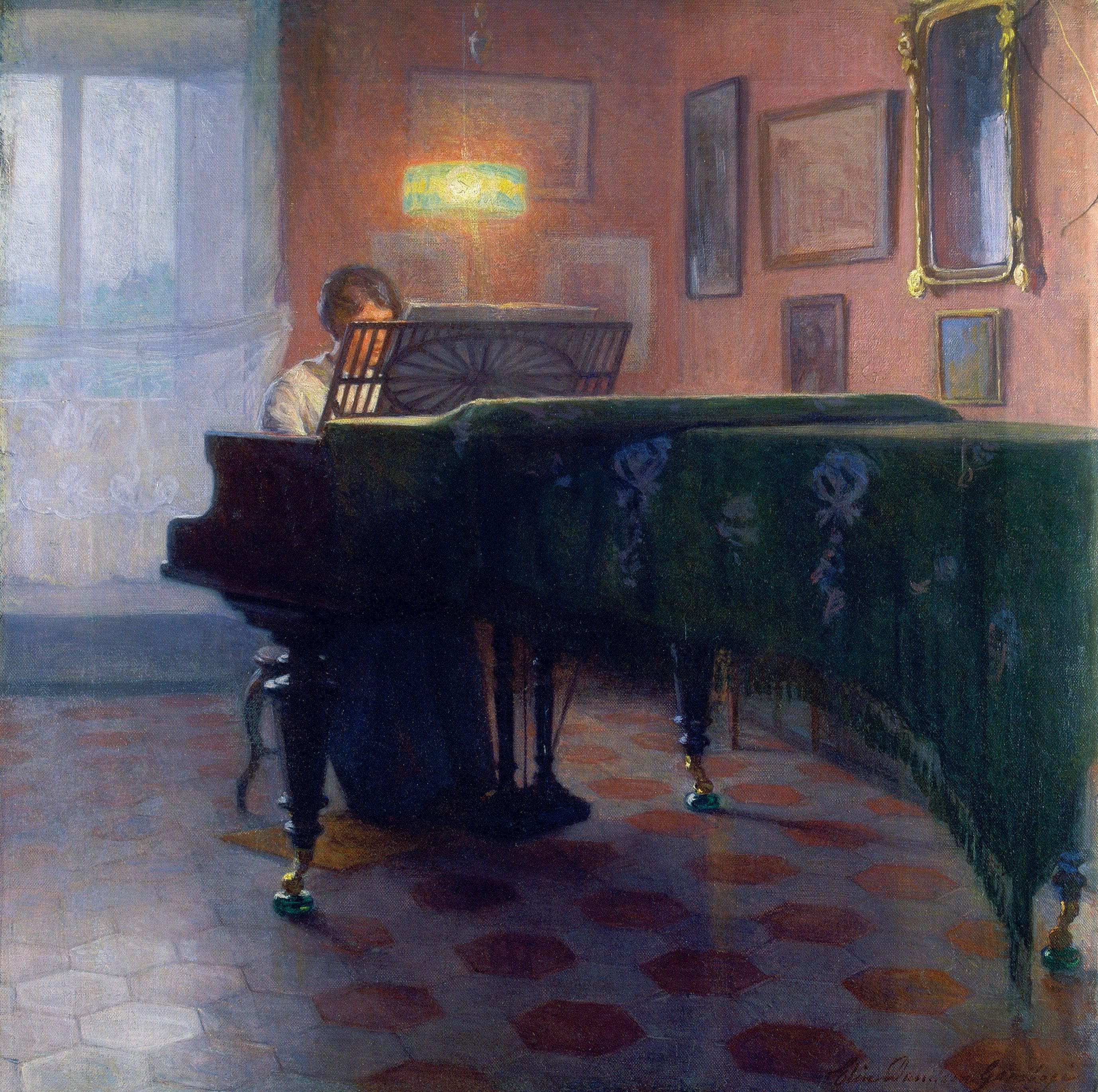
The color palette of The Piano Player is a symphony of warm and cool tones. Rich browns and deep blues create a cozy atmosphere, while splashes of gold and cream add a touch of elegance. This harmonious blend not only enhances the visual appeal but also evokes a sense of nostalgia and warmth, inviting viewers to immerse themselves in the scene.
Composition: The Balance of Light and Shadow
In The Piano Player, Danielson-Gambogi expertly balances light and shadow. The soft illumination highlights the figure of the pianist, drawing attention to her delicate features and the intricate details of the piano. This interplay of light creates depth, making the viewer feel as if they are part of the intimate moment being portrayed.
Brushwork Techniques: Capturing Movement and Emotion
Danielson-Gambogi's brushwork is both expressive and refined. She employs a technique that captures the fluidity of movement, particularly in the pianist's hands as they dance across the keys. This dynamic brushwork conveys the emotional intensity of the music, allowing viewers to almost hear the notes resonating from the canvas.
Thematic Depth: Music and Emotion in The Piano Player
The Role of Music in Art: A Symbol of Expression
Music serves as a powerful symbol in The Piano Player, representing the universal language of emotion. Danielson-Gambogi illustrates how music transcends words, connecting people through shared experiences. The painting invites viewers to reflect on their own memories associated with music, making it a deeply personal experience.
Interpreting the Mood: Joy, Melancholy, and Reflection
The mood of The Piano Player is multifaceted, blending joy with a hint of melancholy. The pianist's focused expression suggests a deep connection to the music, while the surrounding environment evokes a sense of nostalgia. This emotional complexity encourages viewers to explore their own feelings, creating a rich tapestry of interpretation.
Historical Context: The Era of The Piano Player
Finland in the Late 19th Century: A Cultural Renaissance
In the late 19th century, Finland experienced a cultural renaissance, marked by a surge in artistic expression. This period saw the rise of national identity and a renewed interest in folk traditions. Danielson-Gambogi's work reflects this cultural shift, as she captures the essence of Finnish life through her art.
Art Movements Influencing Danielson-Gambogi's Style
Danielson-Gambogi was influenced by various art movements, including Impressionism and Symbolism. These movements emphasized emotional expression and the beauty of everyday life. Her ability to blend these styles resulted in a unique artistic voice that resonates with audiences even today.
Comparative Analysis: The Piano Player and Other Works
Contrasting Themes with Contemporary Artists
When compared to contemporary artists, The Piano Player stands out for its intimate portrayal of music and emotion. While many modern works focus on abstraction, Danielson-Gambogi's painting remains rooted in realism, offering a glimpse into the human experience. This contrast highlights the timeless nature of her art.
Similarities with Other Musical Depictions in Art
The Piano Player shares thematic similarities with other musical depictions in art, such as works by Edgar Degas and Pierre-Auguste Renoir. Like these artists, Danielson-Gambogi captures the essence of performance and the emotional connection between the musician and their art. This shared theme underscores the importance of music in the visual arts.
Personal Reflections: Experiencing The Piano Player
First-Hand Impressions: What the Painting Evokes
Experiencing The Piano Player evokes a sense of tranquility and introspection. The viewer is drawn into the scene, feeling the warmth of the room and the passion of the pianist. This emotional engagement creates a lasting impression, making the painting a cherished piece in any collection.
Viewer Engagement: How Audiences Connect with the Artwork
Audiences connect with The Piano Player on multiple levels. The universal themes of music and emotion resonate with people from all walks of life. This connection fosters a deeper appreciation for the artwork, encouraging viewers to explore their own relationships with music and art.
FAQs About The Piano Player by Elin Danielson-Gambogi
What is the story behind The Piano Player painting?
The Piano Player captures a moment of musical expression, reflecting the artist's fascination with the emotional power of music. It tells a story of connection and creativity, inviting viewers to share in the experience.
How does The Piano Player reflect the artist's style?
This painting showcases Danielson-Gambogi's signature style, characterized by her use of light, color, and emotional depth. It exemplifies her ability to blend Impressionism with personal expression.
What emotions does The Piano Player evoke in viewers?
Viewers often feel a mix of joy, nostalgia, and introspection when experiencing The Piano Player. The emotional resonance of the music portrayed in the painting invites personal reflection.
What techniques did Elin Danielson-Gambogi use in this painting?
Danielson-Gambogi employed soft brushwork, a harmonious color palette, and a keen understanding of light and shadow to create depth and movement in The Piano Player.
How does The Piano Player compare to other works by Danielson-Gambogi?
The Piano Player stands out for its focus on music and emotion, similar to her other works that capture intimate moments in everyday life. Each piece reflects her unique perspective and artistic vision.
What are the key themes explored in The Piano Player?
Key themes in The Piano Player include the emotional power of music, the beauty of everyday life, and the connection between the artist and the viewer. These themes resonate deeply with audiences.
Is The Piano Player available as an art reproduction?
Yes, The Piano Player is available as a high-quality art reproduction. Unlike prints, these reproductions capture the texture and detail of the original painting, making them a superior choice for art lovers.
What should I know about purchasing a reproduction of The Piano Player?
When purchasing a reproduction of The Piano Player, look for options that use high-quality materials and techniques. A well-crafted reproduction will enhance your space and provide a lasting connection to Danielson-Gambogi's artistry.
Original: $249.95
-70%$249.95
$74.98Product Information
Product Information
Shipping & Returns
Shipping & Returns
Description
The Piano Player: A Captivating Exploration of Elin Danielson-Gambogi's Masterpiece
Understanding the Artistic Vision Behind The Piano Player
Elin Danielson-Gambogi: A Pioneer of Finnish Art
Elin Danielson-Gambogi, born in 1861, stands as a significant figure in Finnish art history. She was one of the first female artists to gain recognition in a male-dominated field. Her works often reflect the beauty of everyday life, capturing intimate moments with a unique perspective. Danielson-Gambogi's dedication to her craft paved the way for future generations of artists in Finland.
The Influence of Impressionism on Danielson-Gambogi's Work
Danielson-Gambogi's style is deeply rooted in Impressionism, characterized by her use of light and color to evoke emotion. She embraced the techniques of her contemporaries, blending vibrant hues with soft brushstrokes. This approach allowed her to create a sense of movement and life within her paintings, making them resonate with viewers on a personal level.
Visual Elements of The Piano Player: A Detailed Analysis
Color Palette: Harmonious Hues and Emotional Resonance
The color palette of The Piano Player is a symphony of warm and cool tones. Rich browns and deep blues create a cozy atmosphere, while splashes of gold and cream add a touch of elegance. This harmonious blend not only enhances the visual appeal but also evokes a sense of nostalgia and warmth, inviting viewers to immerse themselves in the scene.
Composition: The Balance of Light and Shadow
In The Piano Player, Danielson-Gambogi expertly balances light and shadow. The soft illumination highlights the figure of the pianist, drawing attention to her delicate features and the intricate details of the piano. This interplay of light creates depth, making the viewer feel as if they are part of the intimate moment being portrayed.
Brushwork Techniques: Capturing Movement and Emotion
Danielson-Gambogi's brushwork is both expressive and refined. She employs a technique that captures the fluidity of movement, particularly in the pianist's hands as they dance across the keys. This dynamic brushwork conveys the emotional intensity of the music, allowing viewers to almost hear the notes resonating from the canvas.
Thematic Depth: Music and Emotion in The Piano Player
The Role of Music in Art: A Symbol of Expression
Music serves as a powerful symbol in The Piano Player, representing the universal language of emotion. Danielson-Gambogi illustrates how music transcends words, connecting people through shared experiences. The painting invites viewers to reflect on their own memories associated with music, making it a deeply personal experience.
Interpreting the Mood: Joy, Melancholy, and Reflection
The mood of The Piano Player is multifaceted, blending joy with a hint of melancholy. The pianist's focused expression suggests a deep connection to the music, while the surrounding environment evokes a sense of nostalgia. This emotional complexity encourages viewers to explore their own feelings, creating a rich tapestry of interpretation.
Historical Context: The Era of The Piano Player
Finland in the Late 19th Century: A Cultural Renaissance
In the late 19th century, Finland experienced a cultural renaissance, marked by a surge in artistic expression. This period saw the rise of national identity and a renewed interest in folk traditions. Danielson-Gambogi's work reflects this cultural shift, as she captures the essence of Finnish life through her art.
Art Movements Influencing Danielson-Gambogi's Style
Danielson-Gambogi was influenced by various art movements, including Impressionism and Symbolism. These movements emphasized emotional expression and the beauty of everyday life. Her ability to blend these styles resulted in a unique artistic voice that resonates with audiences even today.
Comparative Analysis: The Piano Player and Other Works
Contrasting Themes with Contemporary Artists
When compared to contemporary artists, The Piano Player stands out for its intimate portrayal of music and emotion. While many modern works focus on abstraction, Danielson-Gambogi's painting remains rooted in realism, offering a glimpse into the human experience. This contrast highlights the timeless nature of her art.
Similarities with Other Musical Depictions in Art
The Piano Player shares thematic similarities with other musical depictions in art, such as works by Edgar Degas and Pierre-Auguste Renoir. Like these artists, Danielson-Gambogi captures the essence of performance and the emotional connection between the musician and their art. This shared theme underscores the importance of music in the visual arts.
Personal Reflections: Experiencing The Piano Player
First-Hand Impressions: What the Painting Evokes
Experiencing The Piano Player evokes a sense of tranquility and introspection. The viewer is drawn into the scene, feeling the warmth of the room and the passion of the pianist. This emotional engagement creates a lasting impression, making the painting a cherished piece in any collection.
Viewer Engagement: How Audiences Connect with the Artwork
Audiences connect with The Piano Player on multiple levels. The universal themes of music and emotion resonate with people from all walks of life. This connection fosters a deeper appreciation for the artwork, encouraging viewers to explore their own relationships with music and art.
FAQs About The Piano Player by Elin Danielson-Gambogi
What is the story behind The Piano Player painting?
The Piano Player captures a moment of musical expression, reflecting the artist's fascination with the emotional power of music. It tells a story of connection and creativity, inviting viewers to share in the experience.
How does The Piano Player reflect the artist's style?
This painting showcases Danielson-Gambogi's signature style, characterized by her use of light, color, and emotional depth. It exemplifies her ability to blend Impressionism with personal expression.
What emotions does The Piano Player evoke in viewers?
Viewers often feel a mix of joy, nostalgia, and introspection when experiencing The Piano Player. The emotional resonance of the music portrayed in the painting invites personal reflection.
What techniques did Elin Danielson-Gambogi use in this painting?
Danielson-Gambogi employed soft brushwork, a harmonious color palette, and a keen understanding of light and shadow to create depth and movement in The Piano Player.
How does The Piano Player compare to other works by Danielson-Gambogi?
The Piano Player stands out for its focus on music and emotion, similar to her other works that capture intimate moments in everyday life. Each piece reflects her unique perspective and artistic vision.
What are the key themes explored in The Piano Player?
Key themes in The Piano Player include the emotional power of music, the beauty of everyday life, and the connection between the artist and the viewer. These themes resonate deeply with audiences.
Is The Piano Player available as an art reproduction?
Yes, The Piano Player is available as a high-quality art reproduction. Unlike prints, these reproductions capture the texture and detail of the original painting, making them a superior choice for art lovers.
What should I know about purchasing a reproduction of The Piano Player?
When purchasing a reproduction of The Piano Player, look for options that use high-quality materials and techniques. A well-crafted reproduction will enhance your space and provide a lasting connection to Danielson-Gambogi's artistry.