🚚 Free Worldwide Shipping on All Orders!Shop Now

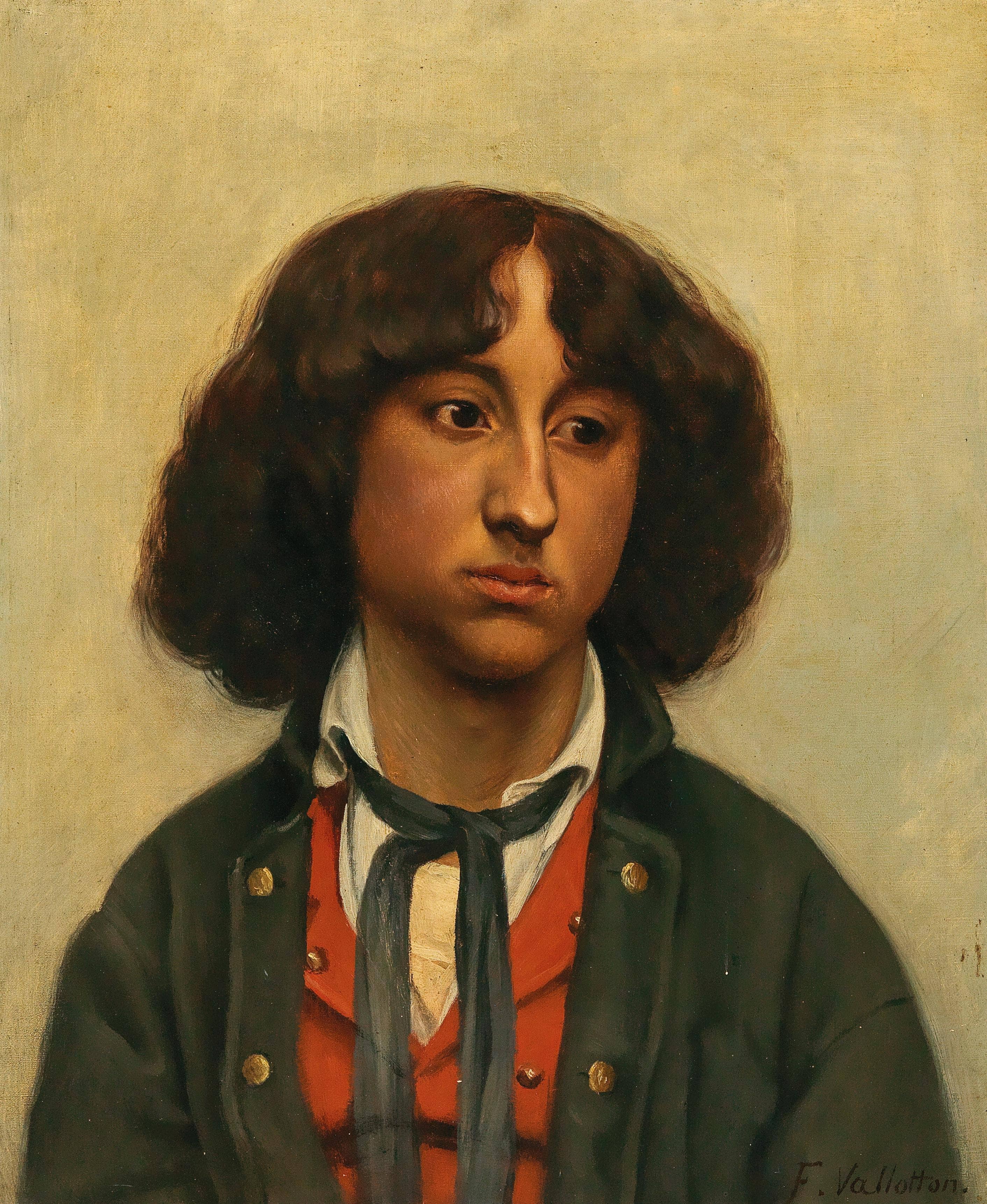
Lost in Thoughts
Exploring the Emotional Depth of "Lost in Thoughts" by Felix Vallotton
Understanding the Artistic Context of Vallotton's Work
The Symbolism of Solitude in Vallotton's Art
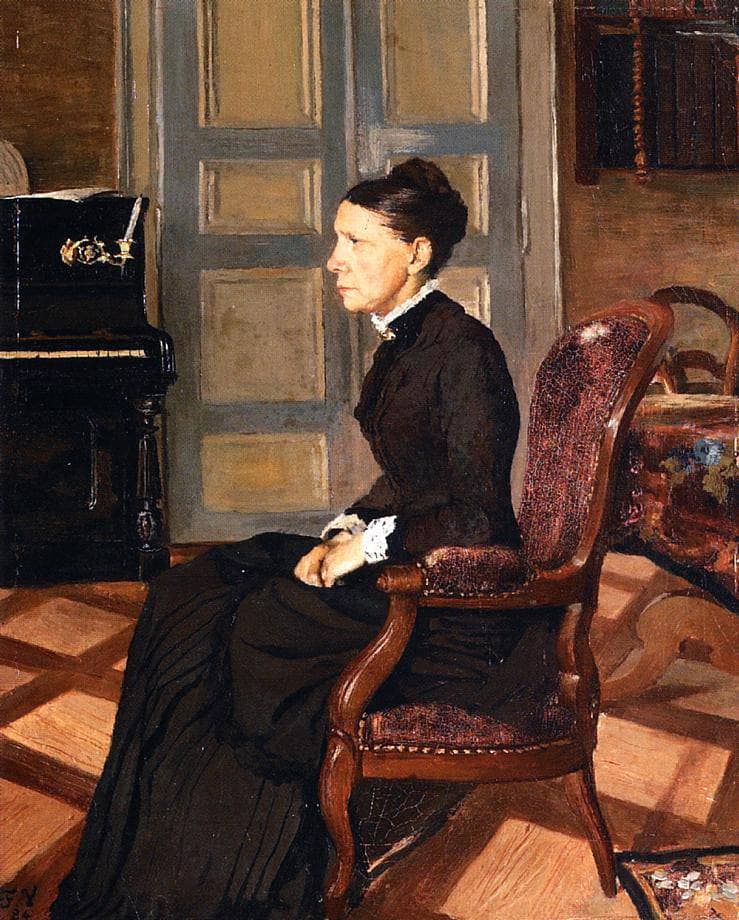
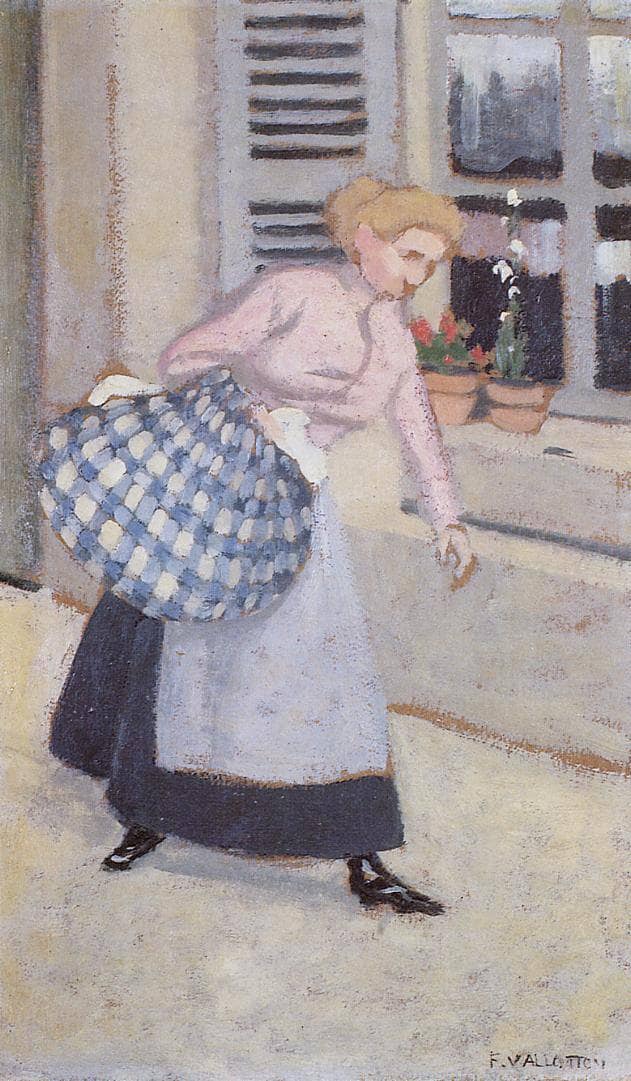
Felix Vallotton's "Lost in Thoughts" captures the essence of solitude, a recurring theme in his oeuvre. The painting portrays a woman in deep contemplation, embodying the emotional weight of isolation. Vallotton often used solitude to explore the complexities of the human psyche, inviting viewers to reflect on their own experiences of loneliness and introspection.Influences of Post-Impressionism on Vallotton's Style
Vallotton was significantly influenced by the Post-Impressionist movement, which emphasized personal expression and bold colors. His unique style blends the vividness of Impressionism with the emotional depth of Symbolism. This fusion allows Vallotton to create artworks that resonate on multiple levels, making "Lost in Thoughts" a profound example of his artistic vision.Visual Analysis of "Lost in Thoughts"
Color Palette: The Use of Muted Tones and Their Impact
The color palette of "Lost in Thoughts" features muted tones that evoke a sense of melancholy. Soft blues, grays, and earthy hues dominate the canvas, creating an atmosphere of quiet reflection. These colors enhance the emotional depth of the painting, drawing viewers into the subject's inner world.Composition: The Arrangement of Figures and Space
Vallotton's composition skillfully balances the figure of the woman with the surrounding space. The placement of the subject invites the viewer's gaze to linger, emphasizing her introspective state. The use of negative space enhances the feeling of isolation, making the viewer acutely aware of the woman's solitude.Brushwork Techniques: Capturing Emotion Through Texture
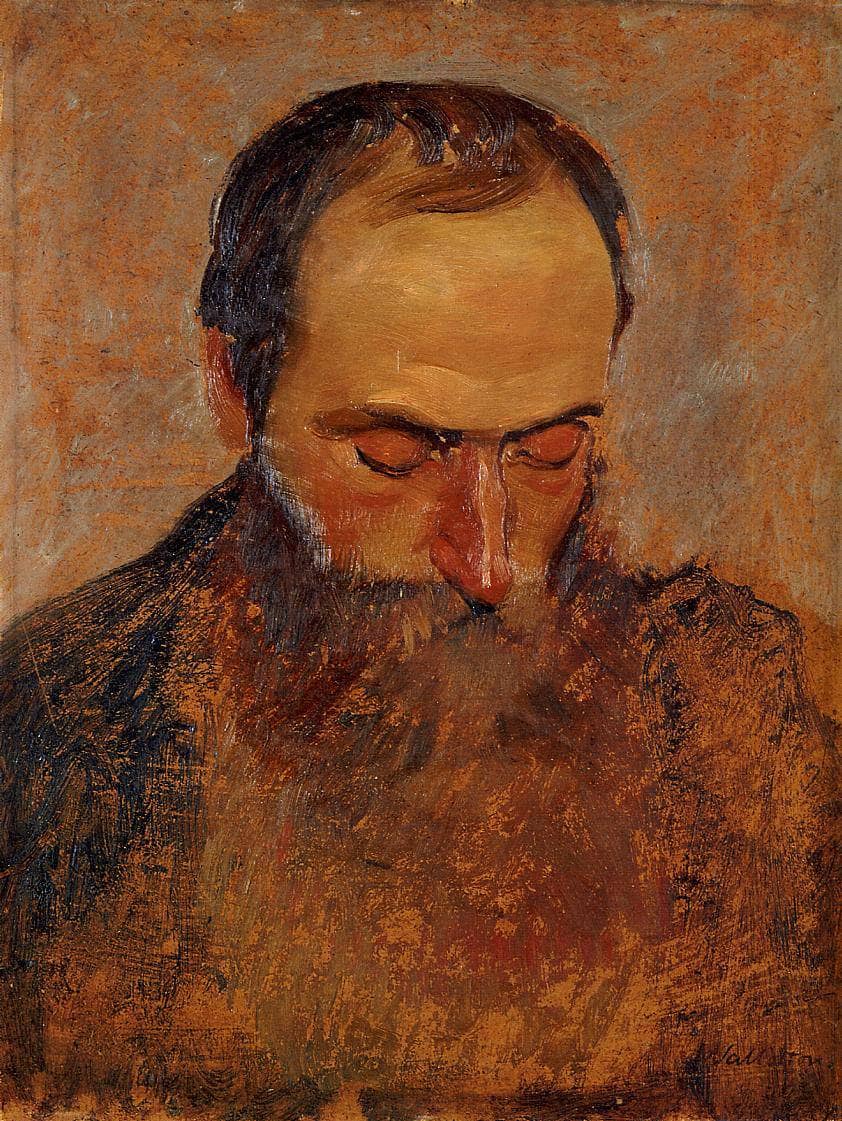
Vallotton's brushwork in "Lost in Thoughts" is both deliberate and expressive. He employs thick, textured strokes to convey the emotional weight of the scene. This technique adds depth and dimension, allowing the viewer to feel the tension and contemplation that permeate the painting.Thematic Exploration: Themes of Reflection and Introspection
Depiction of Inner Turmoil: A Study of the Human Condition
"Lost in Thoughts" serves as a poignant study of inner turmoil. The woman's expression reflects a complex mix of emotions, from sadness to contemplation. Vallotton masterfully captures the essence of the human condition, inviting viewers to explore their own feelings of uncertainty and reflection.Contrasting Light and Shadow: Symbolic Representations
The interplay of light and shadow in Vallotton's painting symbolizes the duality of thought and emotion. Bright highlights contrast with deep shadows, representing the struggle between hope and despair. This dynamic creates a visual tension that enhances the painting's emotional impact.Vallotton's Unique Approach to Portraiture
Characterization: The Psychological Depth of the Subject
Vallotton's portrayal of the woman in "Lost in Thoughts" reveals a profound psychological depth. He captures not just her physical appearance but also her emotional state. This approach allows viewers to connect with the subject on a personal level, fostering empathy and understanding.Gender Dynamics: The Role of Women in Vallotton's Art
Women play a central role in Vallotton's work, often depicted in moments of introspection and vulnerability. "Lost in Thoughts" highlights the complexity of female experience, challenging traditional gender roles. Vallotton's nuanced portrayal invites viewers to consider the societal pressures faced by women in his time.The Historical Significance of "Lost in Thoughts"
Art Movements: Vallotton's Place in the Nabis Group
Felix Vallotton was a prominent member of the Nabis group, a collective of artists who sought to push the boundaries of traditional art. "Lost in Thoughts" exemplifies the Nabis' focus on emotional expression and symbolism. Vallotton's work contributed to the evolution of modern art, influencing future generations of artists.Reception and Critique: How the Painting Was Initially Viewed
Upon its release, "Lost in Thoughts" received mixed reviews. Some critics praised Vallotton's innovative style, while others found his approach too unconventional. Over time, however, the painting has gained recognition for its emotional depth and artistic merit, solidifying Vallotton's legacy in the art world.Personal Reflections: Viewing "Lost in Thoughts" in a Modern Context
Emotional Resonance: What the Painting Evokes Today
Today, "Lost in Thoughts" resonates with audiences grappling with their own feelings of isolation and introspection. The painting's emotional honesty speaks to contemporary viewers, reminding us of the timeless nature of Vallotton's themes. It encourages reflection on our own inner lives and the complexities of human emotion.Connecting with the Audience: The Timelessness of Vallotton's Themes
Vallotton's exploration of solitude and introspection remains relevant in today's fast-paced world. "Lost in Thoughts" invites viewers to pause and reflect, fostering a deeper connection with their own thoughts and feelings. This timeless quality makes Vallotton's work enduring and impactful.FAQs About "Lost in Thoughts" by Felix Vallotton
What is the story behind the painting "Lost in Thoughts"?
"Lost in Thoughts" depicts a woman in a moment of deep contemplation, reflecting Vallotton's interest in the complexities of the human experience. The painting captures the essence of solitude and introspection, inviting viewers to explore their own emotions.How does "Lost in Thoughts" reflect Vallotton's artistic style?
The painting showcases Vallotton's unique blend of Post-Impressionism and Symbolism. His use of muted colors, expressive brushwork, and emotional depth exemplifies his distinctive approach to art.What emotions does "Lost in Thoughts" aim to convey?
"Lost in Thoughts" conveys a range of emotions, including sadness, contemplation, and introspection. Vallotton's portrayal of the subject invites viewers to connect with their own feelings of solitude and reflection.Where can I see "Lost in Thoughts" displayed today?
"Lost in Thoughts" is part of various private collections and may be displayed in exhibitions focused on Vallotton's work. Check local galleries or museums for potential showings.What are the key elements that make "Lost in Thoughts" a significant work?
Key elements include Vallotton's emotional use of color, innovative composition, and deep psychological characterization. These aspects contribute to the painting's lasting impact and significance in the art world.FAQs About the Painting Reproduction
How can I ensure the reproduction captures the essence of the original?
To ensure a high-quality reproduction of "Lost in Thoughts," choose a reputable art reproduction company that specializes in oil painting reproductions. Look for attention to detail, color accuracy, and texture that reflects the original artwork.What should I consider when displaying a reproduction of "Lost in Thoughts"?
When displaying a reproduction, consider the lighting and surrounding decor. Position the artwork in a well-lit area to highlight its colors and textures. Choose a frame that complements the painting's style, enhancing its visual appeal in your space.Select Size
From $89.98
Original: $299.95
-70%Lost in Thoughts—
$299.95
$89.98Product Information
Product Information
Shipping & Returns
Shipping & Returns